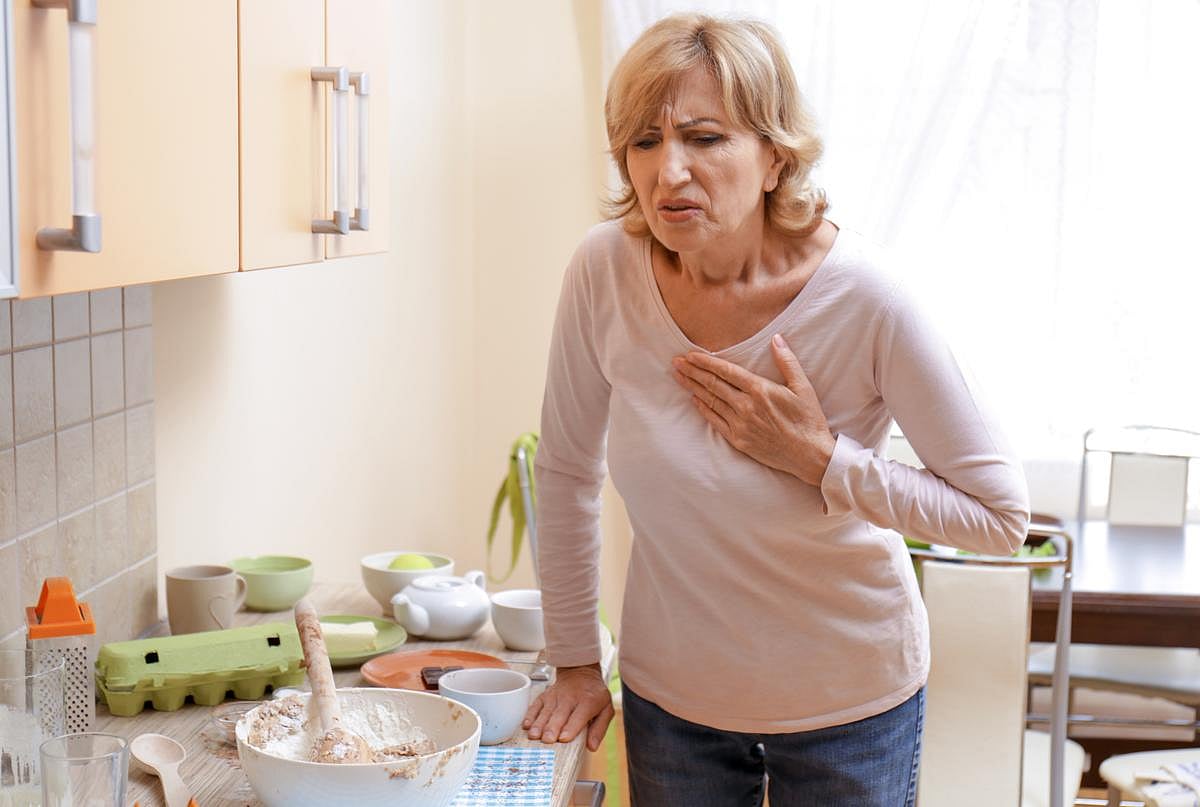
Fatal opioid overdoses four times more likely in the two days after hospital discharge
THURSDAY, Oct. 7, 2021 (HealthDay News) — Discharge from the hospital is associated with an acute increase in the risk for opioid-related deaths in England, according to a study published online Oct. 5 in PLOS Medicine.
Dan Lewer, from University College London, and colleagues examined whether hospital admission and discharge are associated with an increased risk for opioid-related death. The analysis included 13,609 deaths from 2010 through 2019 among adults aged 18 to 64 years. Five control days from the period 730 to 28 days before death were sampled for each person.
The researchers found that 1.7 percent of opioid deaths occurred following drug use while admitted to the hospital. The risk for death during hospital admissions was similar to or lower than periods neither admitted to the hospital nor recently discharged (first 14 days of an admission: odds ratio, 1.03; for days 15 and beyond: odds ratio, 0.41). In the 14 days after discharge, 8.0 percent of deaths occurred, with a higher risk for opioid-related death in this period (days 1 to 2 after discharge: odds ratio, 4.39; days 3 to 14 after discharge: odds ratio, 2.09). Most opioid-related deaths (85.5 percent) did not occur close to a hospital admission, while 4.8 percent occurred in the hospital.
“People who use illicit drugs such as heroin need extra support when being discharged from the hospital,” the authors write. “Interventions that reduce the risk of fatal overdose, such as opioid agonist treatment and overdose response training with take-home naloxone (an antidote for opioid overdose), may be beneficial when provided in the hospital.”
 Study Looks at Patient Experiences With Sedative Contaminating Fentanyl
  Distinct Characteristics ID"d for Patients With Rheumatoid Conditions, Opioid Use Disorder
  People Using Illicitly Sourced Fentanyl Face Worse Outcomes Than Medically Sourced Users
  CDC: Buprenorphine Treatment Differs in Urban, Rural Areas
  2016 to 2024 Saw Increase in Patients Using Medical Cannabis
  Mindfulness, Tai Chi May Benefit Cancer Survivors
  Spinal Cord Stimulation Cuts Pain, Improves Sensation With Diabetic Nerve Damage
 .jpeg) Breathing Interventions May Curb Cravings With Substance Use
Breathing Interventions May Curb Cravings With Substance Use