



For most of the study period, higher rates of HPV vaccination initiation and up-to-date rates were seen for non-Hispanic Blacks, Hispanics
TUESDAY, May 4, 2021 (HealthDay News) — Despite increases since 2008, human papillomavirus (HPV) vaccination rates are suboptimal within ages 9 to 12 years, according to a study published online May 3 in Pediatrics.
Onyema Greg Chido-Amajuoyi, M.B.B.S., M.P.H., from the University of Texas and Maryland Anderson Cancer Center in Houston, and colleagues derived data from the National Immunization Survey-Teen spanning 2008 to 2018 to examine trends in HPV up-to-date (UTD) rates within ages 9 to 12 years.
The researchers identified an increase in HPV vaccination between the ages of 9 and 12 over the years, amid evidence of recent stagnation. There was an increase in initiation rates from 17.3 percent in 2008 to 62.8 percent in 2018; from 2011 to 2018, HPV UTD rates increased from 13.5 to 32.8 percent. Between 2011 and 2018, HPV-UTD rates increased by 31.9 percent among boys and by 6.6 percent among girls after the inception of gender-neutral HPV vaccination. Compared with non-Hispanic Whites, non-Hispanic Black and Hispanic individuals had higher rates of initiation and HPV-UTD for most of the study period. Vaccination initiation rates exceeded 70 percent in several states in 2018; however, HPV-UTD rates were below 50 percent in most states, excluding Rhode Island, Colorado, Hawaii, District of Columbia, and Ohio (61.6, 58.7, 53.5, 53.2, and 50 percent, respectively).
“It is important to investigate the underlying factors responsible for the disparities and stagnating rates of HPV vaccination observed in this study,” the authors write.
Abstract/Full Text (subscription or payment may be required)
 High Intake of Salty Snacks in Adolescence Linked to Risk for IBD
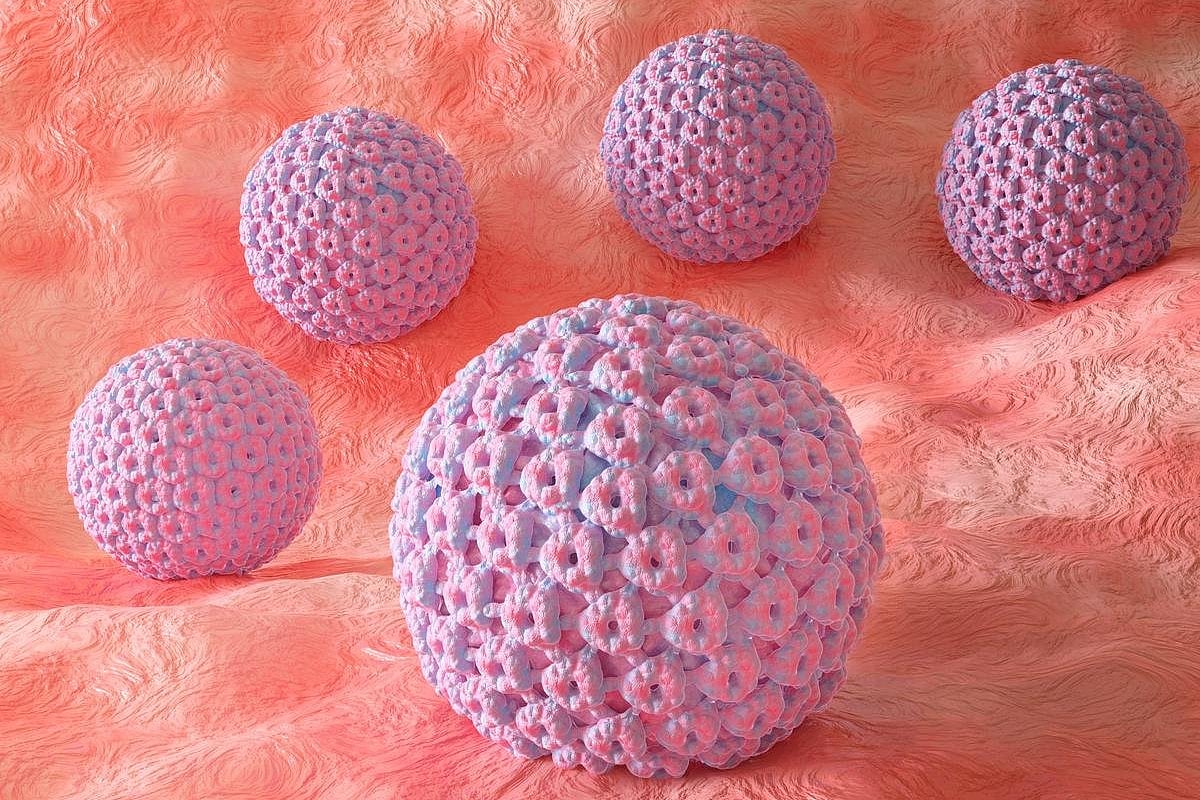 Trajectories of HPV Infection Can Predict Cervical Lesions
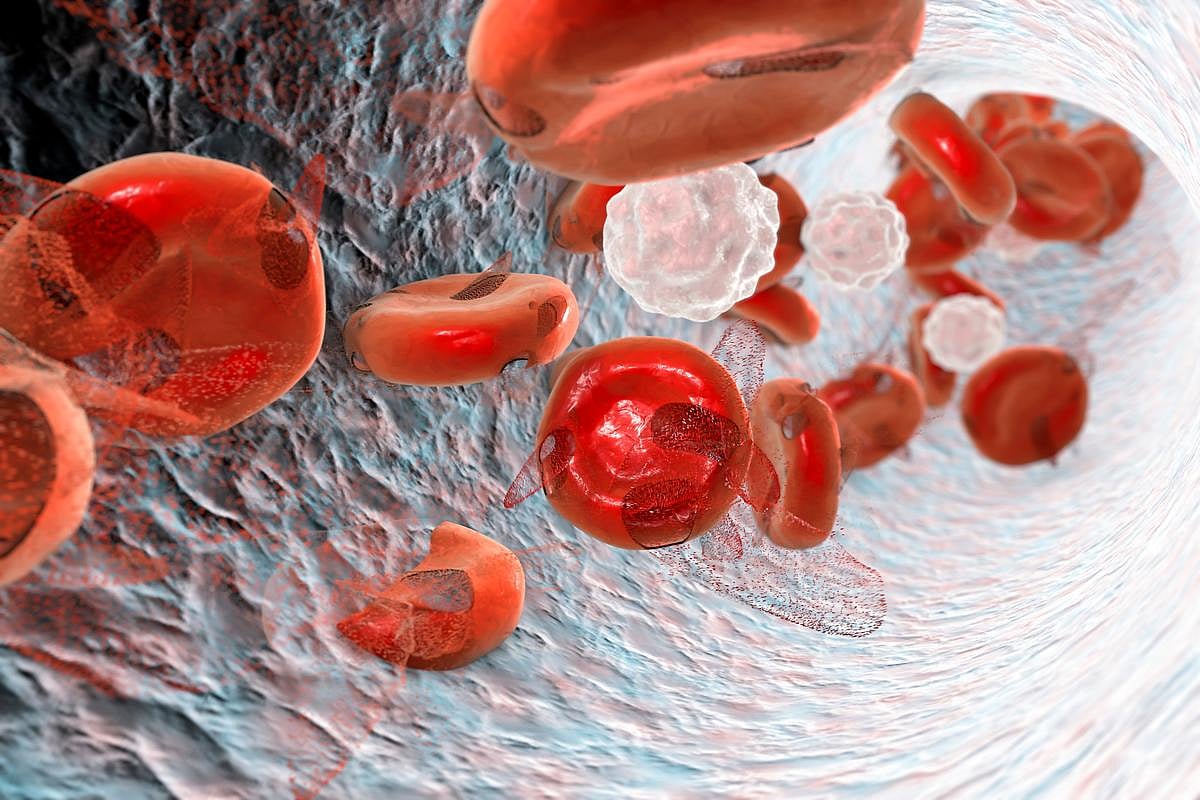 Iron Supplementation Likely to Reduce Iron-Deficiency Anemia in Children
 EHR-Enabled QI Intervention Improves Chlamydia, Gonorrhea Screening in Teens
 AAP Urges Regular Eye Checks for Children With JIA, Hydroxychloroquine Users
 One-Hour Cognitive Test Provides Meaningful Information Beyond Traditional Memory Screening
 Broad Genomic Sequencing Improves Survival in First-Line Setting in Advanced NSCLC
 Guidelines Updated for Prostate Cancer Screening
.jpeg)




