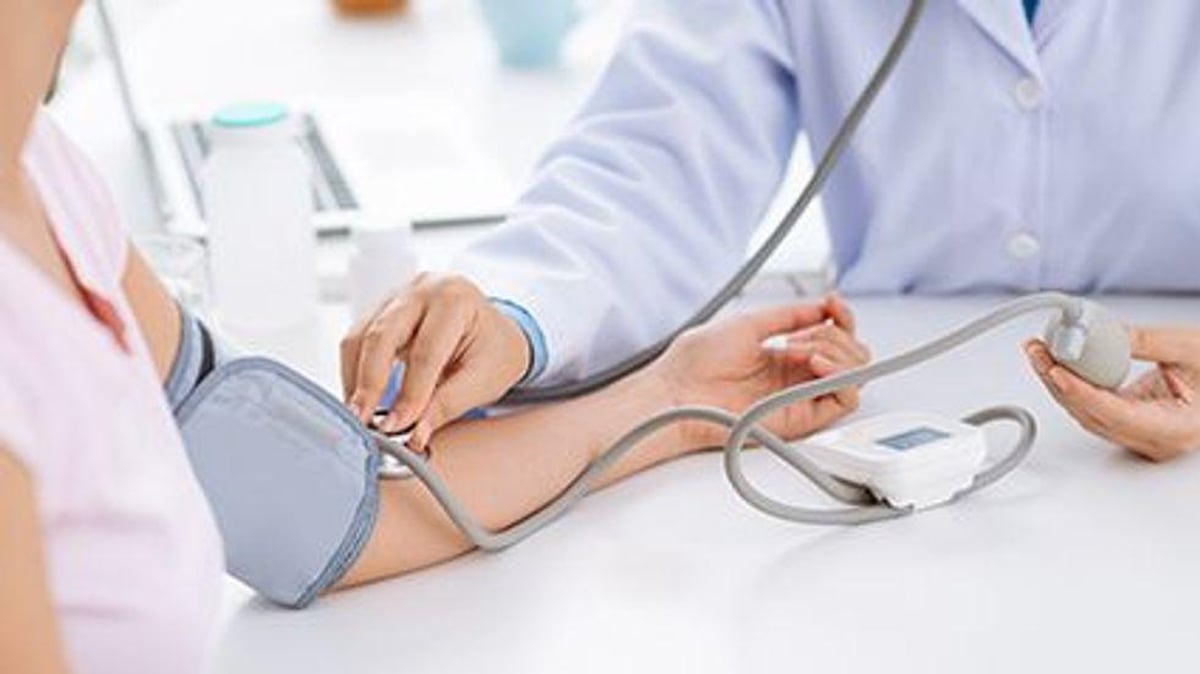
Intensive BP lowering after intracerebral hemorrhage linked to poorer outcomes in patients with decreased renal function
MONDAY, July 19, 2021 (HealthDay News) — Intensive blood pressure (BP) reduction for acute intracerebral hemorrhage (ICH) may increase the risk for death or disability in some patients with renal impairment, according to a study published online July 1 in Neurology.
Mayumi Fukuda-Doi, M.D., Ph.D., from the National Cerebral and Cardiovascular Center in Suita, Japan, and colleagues conducted post-hoc analyses using data from 1,000 participants in the ATACH-2 randomized trial to assess whether the estimated glomerular filtration rate (eGFR) affects clinical outcomes or modifies the efficacy of intensive systolic blood pressure control (target, 110 to 139 mm Hg) against the standard (target, 140 to 179 mm Hg) among patients with ICH.
The researchers found that compared with normal eGFR (≥90 mL/min/1.73 m2), there were higher odds of death or disability among those with eGFR values of <60 mL/min/1.73 m2 (adjusted odds ratio [OR], 2.02; 95 percent confidence interval [CI], 1.25 to 3.26) but not among those with eGFR values of 60 to 89 mL/min/1.73 m2 (OR, 1.01; 95 percent CI, 0.70 to 1.46). In the intensive BP control arm, the odds of death or disability were higher among patients with decreased eGFR (OR for eGFR values of ≥90, 0.89 [95 percent CI, 0.55 to 1.44]; for eGFR 60 to 89, 1.13 [95 percent CI, 0.68 to 1.89]; for eGFR <60 mL/min/1.73 m2, 3.60 [95 percent CI, 1.47 to 8.80]; P for interaction = 0.02).
“At present, renal function should be considered when deciding the optimal blood pressure range for each patient,” Fukuda-Doi said in a statement.
Several authors disclosed financial ties to the pharmaceutical industry.
Abstract/Full Text (subscription or payment may be required)
 Lower Cognitive Functioning During 60s Linked to Subsequent Stroke Risk
  Isometric Exercise Training Three Times a Week Preserves Cardiovascular Benefits
  GLP-1 Receptor Agonists, SGLT-2is Slow Renal Function Decline in T2D With Albuminuria
  Insomnia Linked to Increased Risk for Stroke, Odds of Admission
  Childhood Cancer Survivors Often Have Mental Distress in Adulthood
  Increased Dementia Risk Seen After Transient Ischemic Attack
  Incidence of Stroke Increasing Among Young Adults
  Reducing Ultraprocessed Food May Alleviate Symptoms of Depression

.jpg)