


At 24 and 48 months, greater BP control was seen in the lifestyle coaching group versus the usual care group
WEDNESDAY, May 18, 2022 (HealthDay News) — A lifestyle coaching (LC) intervention is more successful than usual care for improving blood pressure (BP) control among Black adults, according to a study published online May 18 in JAMA Network Open.
Mai N. Nguyen-Huynh, M.D., from the Kaiser Permanente Walnut Creek Medical Center in California, and colleagues randomly assigned Black adult members of a health care delivery system with BP of at least 140/90 mm Hg to usual care (UC group; 1,129 participants), enhanced pharmacotherapy (EP) monitoring of current BP management protocol (EP group; 346 participants), or diet and lifestyle coaching (LC group; 286 participants), which included as many as 16 telephone sessions with a lifestyle coach, focusing on the Dietary Approaches to Stop Hypertension diet.
The researchers observed no significant difference in BP control rates among the study groups at the end of the 12-month intervention period (UC, 61.8 percent; EP, 64.5 percent; and LC, 67.8 percent). At 24 months and 48 months after enrollment, however, greater BP control was seen in the LC versus UC group (24 months: UC, 61.2 percent; EP, 67.6 percent; LC, 72.4 percent; 48 months: UC, 64.5 percent; EP, 66.5 percent; and LC, 73.1 percent).
“The LC intervention was feasible to implement in this high-risk population and was effective in helping these adults manage their chronic condition even three years after the intervention ended,” the authors write.
Two authors disclosed financial ties to the pharmaceutical industry.
 Burden of Stroke Projected to Increase to >6 Percent by 2050
 Removing Race From Dialysis Quality Measures Changes Mortality Performance
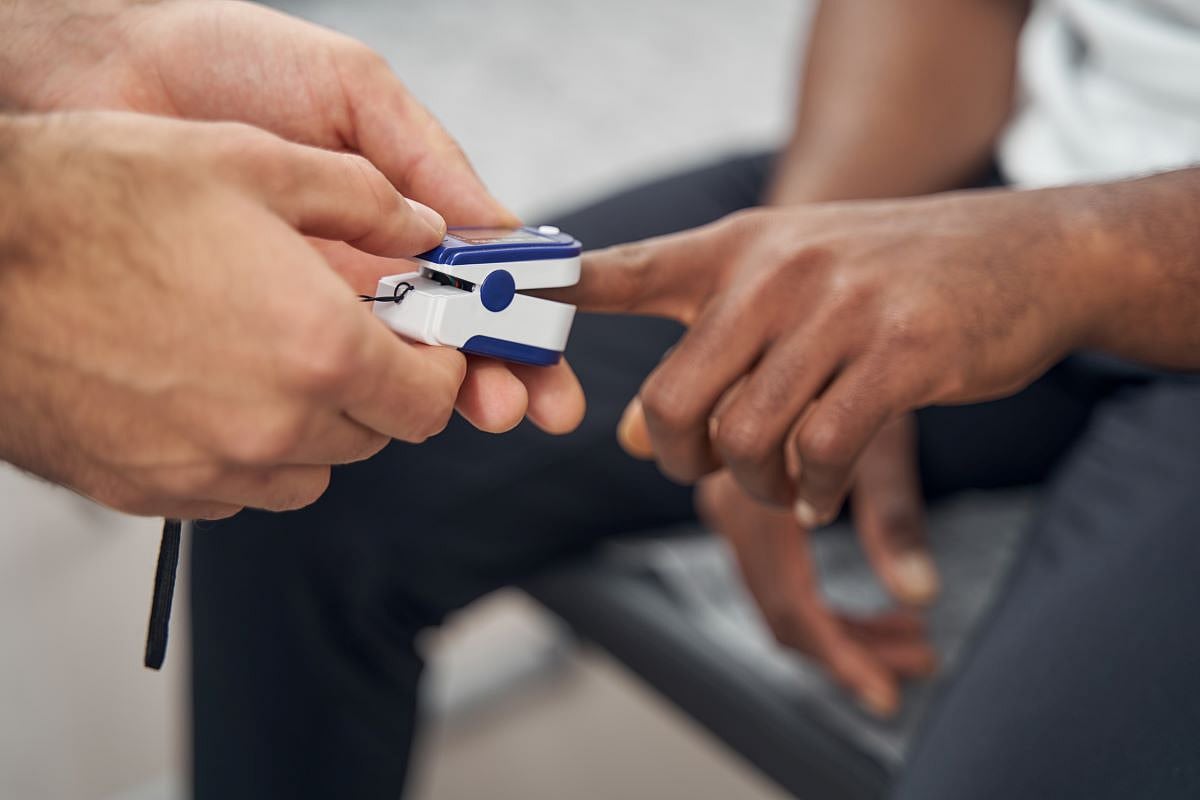 Pulse Oximetry-Based Scoring May Miss Sleep Apnea Events in Black Patients
 Few Meet Major Clinical Response Criteria After Treatment Escalation for Lupus
 Postoperative Complications Elevated for Patients With Systemic Lupus Erythematosus
 1 in 3 With Lupus Take Supplements, Medications With Potential for Interactions
 Low Hydroxychloroquine Intake, Blood Levels Linked to ASCVD Risk in Lupus
 Anifrolumab Tied to Lower Hospitalization, Infection Risk in Lupus



.jpeg)

