


73 observed relative proportions closely matched those expected under the study”s reference pattern for invasive cancer with and without ductal carcinoma in situ
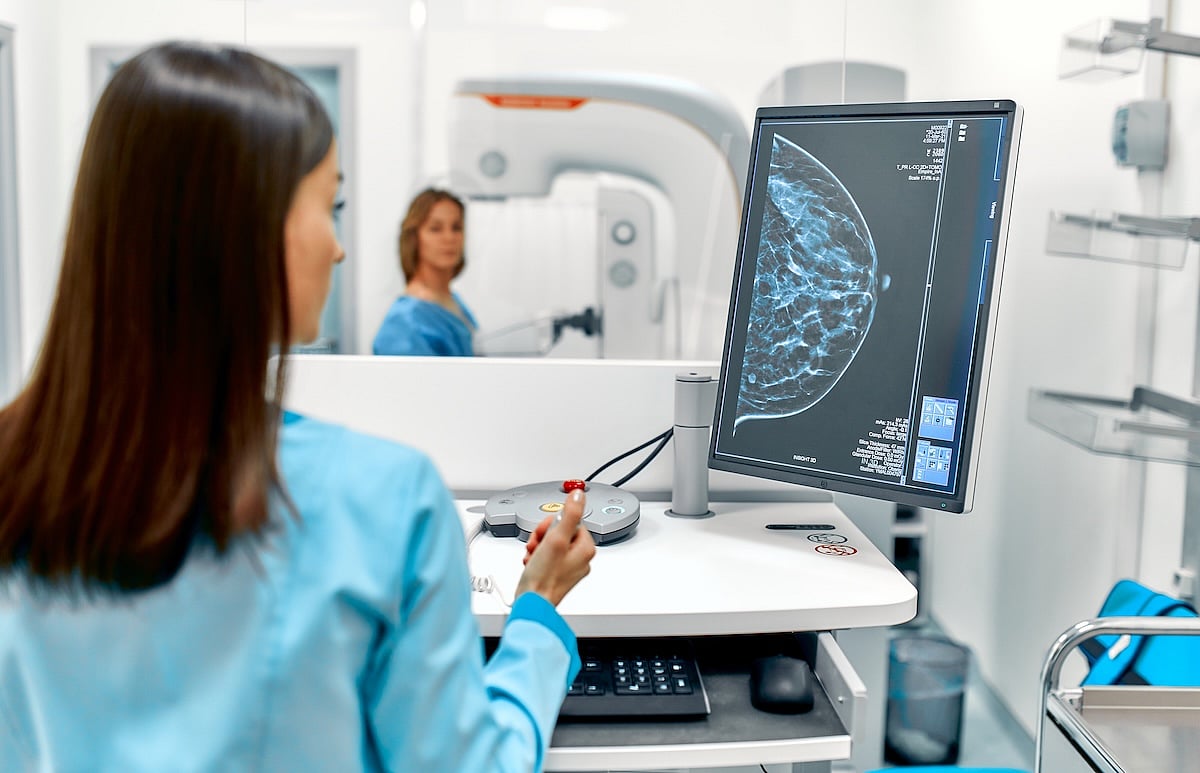
TUESDAY, Sept. 22, 2026 (HealthDay News) — Mammography trials yield consistent excess-incidence patterns compatible with very low rates of overdiagnosis (less than 5 percent), according to research published online Sept. 14 in the Journal of the National Cancer Institute.
Noting that estimates of breast cancer overdiagnosis from randomized mammography trials range from about 0 percent to about 50 percent, Sisse Helle Njor, Ph.D., from the Lillebaelt Hospital-University Hospital of Southern Denmark in Vejle, and colleagues conducted a unified reanalysis of randomized mammography trials using a reference-based approach. Observations from the population-based service screening program in Funen, Denmark, were used as reference, where the temporal pattern of relative proportions (RPs) was used to describe the excess cumulative breast cancer incidence in birth cohorts invited versus not invited to screening.
The researchers found that 73 observed RPs closely matched those expected under the Funen reference pattern for invasive cancer with and without ductal carcinoma in situ across 52 time points. There was a plausible relation for deviations with incomplete reporting in early trial phases. For the observed and expected RP values, most 95 percent confidence intervals overlapped.
“Most women will not develop breast cancer, but with this study, we can now be reassured that the benefits of detecting breast cancer early and preventing premature death will outweigh the small risk of unnecessary treatment,” Njor said in a statement.
Abstract/Full Text (subscription or payment may be required)
 Gap Found Between Awareness of Breast Cancer Risk and Risk-Reducing Behavior
  Exercise Intervention Linked to Improved Attention, Memory in Breast Cancer
  Dense Breast Notification Linked to Increase in Use of Supplemental Ultrasound
  Lower Breast, Cervical Cancer Screening Seen for Adults With Disabilities
  Pre-Prostate Biopsy MRI Use Increased From 2017 to 2026
  Surveillance Colonoscopy at Five Years After Adenoma Removal Noninferior to Three Years
  Family History of CRC Increases CRC Risk Similarly in IBD, General Population
  H. Pylori Exposure May Contribute to Global Burden of Colorectal Cancer
 .jpg)




