Improvements in fatigue and pain interference seen among survivors with distress
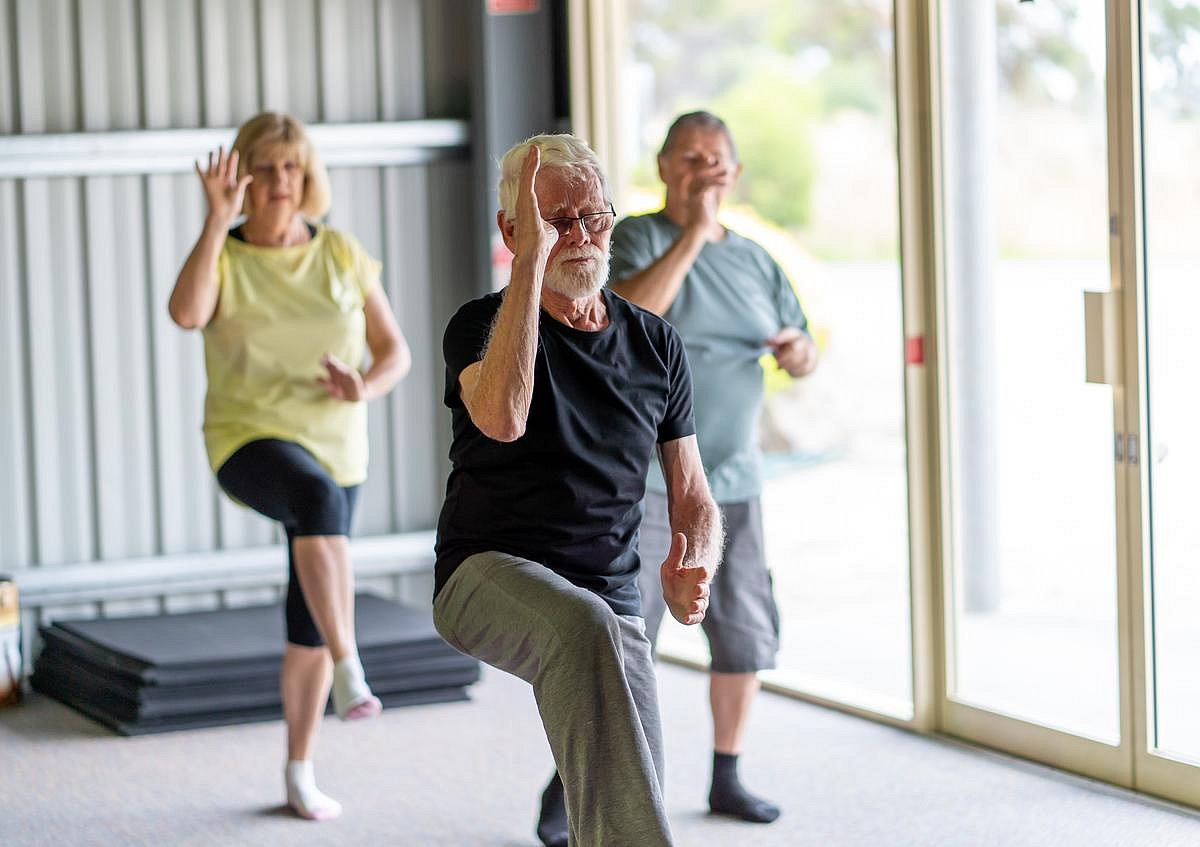
THURSDAY, Sept. 24, 2026 (HealthDay News) — Mindfulness-based cancer recovery (MBCR) and tai chi/qigong (TCQ) both improve fatigue and pain interference among cancer survivors with distress, according to a study published online Sept. 16 in the Journal of Clinical Oncology.
Yan Ma, M.D., from Harvard University in Boston, and colleagues evaluated the efficacy of MBCR and TCQ on sleep, fatigue, and pain among 587 cancer survivors with distress. Patients chose either MBCR or TCQ but were assigned randomly to an immediate intervention or a wait list.
The researchers found that postintervention, the TCQ group had an average improvement of 1.9 points on the sleep quality scale, which remained statistically significant versus controls when adjusting for age, sex, cancer stage, and intervention preference. Both MBCR and TCQ groups had significantly improved fatigue compared with wait-list controls (mean improvements, 3.66 and 3.42 points, respectively). Both groups also had more than 1 point of change in pain interference. There was no significant difference between MBCR and TCQ, and intervention preference did not affect outcomes.
“These findings reinforce the value of a whole-person approach to cancer survivorship care,” senior author Peter Wayne, Ph.D., also from Harvard, said in a statement. “The strong relationships among improvements in these symptoms suggest that mind-body interventions may help support health and well-being in an integrated way.”
One author disclosed financial ties to the biopharmaceutical industry.
 Physical Activity Linked to Slower Cognitive, Motor Progression in Parkinson Disease
 .jpg) Most Specialty Oral Anticancer Meds for Blood Cancers Are Initially Rejected by Insurers
Most Specialty Oral Anticancer Meds for Blood Cancers Are Initially Rejected by Insurers  Air Pollution Does Not Impair Benefits of Walking in Reducing COPD Exacerbation Rate
  Ultrasound-Guided Hydrodissection Yields Improvements in Carpal Tunnel
  Physical Therapist-Supervised Exercise Improves Outcomes After ACL Reconstruction
  2013 to 2024 Saw Decrease in Benzodiazepine Prescribing
  2016 to 2024 Saw Increase in Patients Using Medical Cannabis
  Spinal Cord Stimulation Cuts Pain, Improves Sensation With Diabetic Nerve Damage