


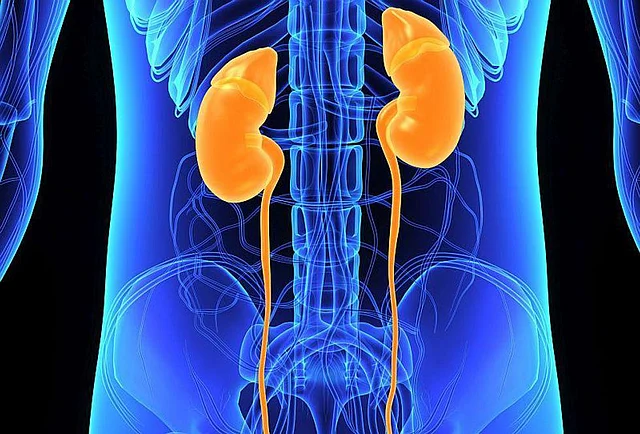
Procurement and transplant of stage 3 AKI kidneys has increased, but discard rate is still high
WEDNESDAY, Jan. 19, 2022 (HealthDay News) — The absolute number of stage 3 acute kidney injury (AKI) kidneys transplanted increased from 2010 to 2020, according to a study recently published online in the American Journal of Transplantation.
Caroline Liu, from the Icahn School of Medicine at Mount Sinai in New York City, and colleagues analyzed U.S. registry data to characterize kidney procurement and discard trends in deceased donors with AKI, defined by ≥50 percent or ≥0.3 mg/dL (≥200 percent or ≥4.0 mg/dL for stage 3 AKI) increase in terminal serum creatinine concentration from admission.
The researchers found that from 2010 to 2020, 172,410 kidneys were procured from 93,341 deceased donors (16 years or older), with 34,984 kidneys discarded (17,559 from AKI donors). During the study period, the proportion of stage 3 AKI donors doubled from 6 percent in 2010 to 12 percent in 2020, while procurement of stage 3 AKI kidneys increased from 51 to 80 percent. The increase in discard of stage 3 AKI kidneys (41 to 44 percent) was not statistically significant.
“Optimistically, you can look at it as we’re transplanting more kidneys because we are harvesting 2,000 more, yet we’re still discarding 44 percent of stage 3 kidneys,” a coauthor said in a statement. “We can do better and wipe out this kidney transplant shortage just by using AKI kidneys.”
Two authors disclosed financial ties to the pharmaceutical and biotechnology industries.
Abstract/Full Text (subscription or payment may be required)
 Alcohol From Spirits and Beer Linked to Acute Kidney Injury
 Removing Race From Dialysis Quality Measures Changes Mortality Performance
 Prep for Conservative Management, Dialysis Yield Similar Results in Older Patients With Kidney Failure
.jpg) Pregnancy Complications Linked to Subsequent Risk for Cardiometabolic-Renal Conditions
 Irregular Sleep Schedule Linked to Greater Symptoms of Mental Illness
 Physical Activity Before Cognitive Therapy Beneficial in Major Depressive Disorder
 Temporal Interference Stimulation Targeting Prefrontal Cortex May Alleviate Depression Symptoms
 Seniors With Hypertension Benefit From Pausing ACE Inhibitors, ARBs on Morning of Surgery
.jpeg)


