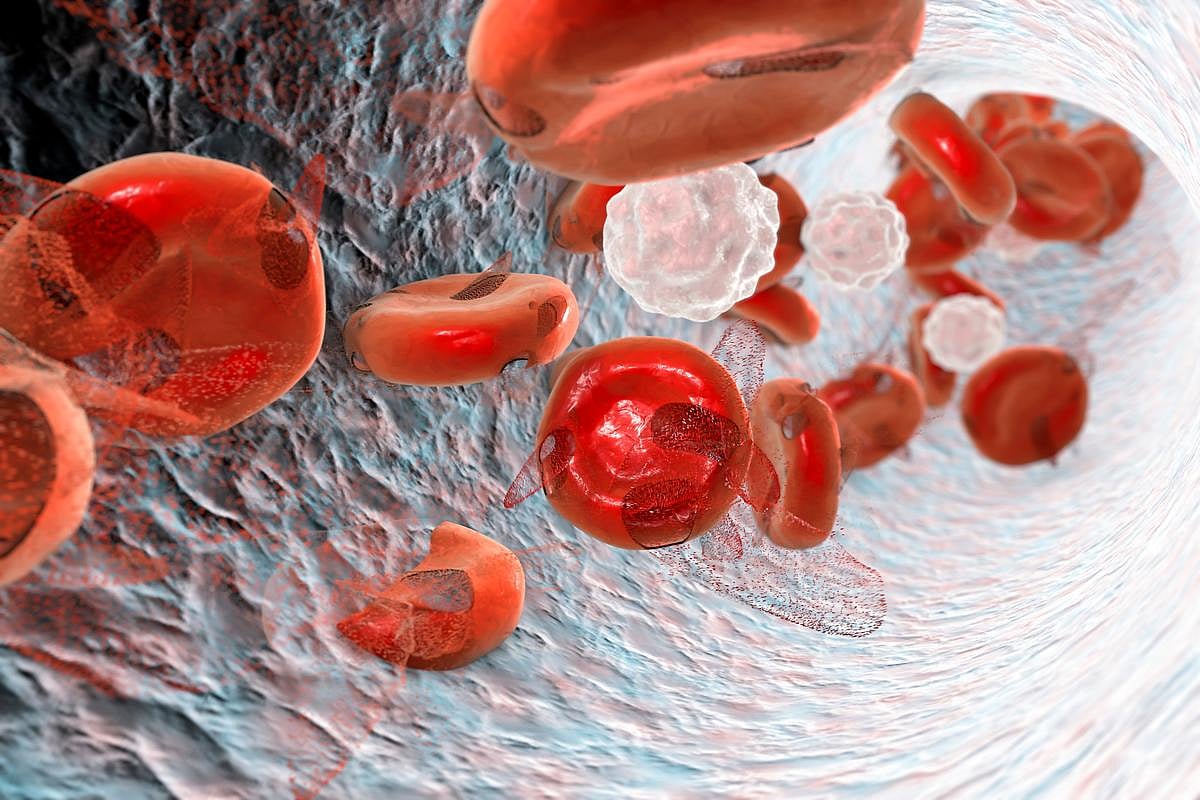
Though uncommon, cases of new heart failure include younger COVID-19 patients with no history of cardiovascular disease or risk factors
FRIDAY, May 14, 2021 (HealthDay News) — Patients hospitalized with COVID-19 may be at risk for developing new heart failure, according to a research letter published in the May 4 issue of the Journal of the American College of Cardiology.
Jesus Alvarez Garcia, M.D., Ph.D., from the Icahn School of Medicine at Mount Sinai in New York City, and colleagues used data from 6,439 patients hospitalized for COVID-19 from Feb. 27 to June 26, 2020, with follow-up until Oct. 7, 2020. The point prevalence and associated outcomes of new heart failure diagnoses were evaluated.
The researchers found that 0.6 percent of hospitalized patients had new heart failure and 6.6 percent had a history of heart failure. Of the 37 new heart failure patients, 13 presented with shock (four cardiogenic, six septic, three mixed), and five presented with acute coronary syndrome. Eight of these patients had neither cardiovascular disease (CVD) nor risk factors for CVD, while 14 had a history of CVD and 15 had at least one risk factor. The eight patients with neither CVD nor risk factors had a similar length of stay but had more frequent intensive care and intubation requirements and lower in-hospital mortality versus new heart failure patients with CVD or risk factors, despite more frequent presentation of cardiogenic shock and acute coronary syndrome.
“Although the point prevalence of new heart failure is low, a distinct cohort of younger patients without cardiovascular risk factors or disease experience new heart failure that may indeed be related to COVID-19,” the authors write.
One author disclosed financial ties to the medical device industry.
Abstract/Full Text (subscription or payment may be required)
 High Indoor Radon Levels Tied to Higher Risk for Heart Failure
 Cannabis Legalization Linked to More Heart-Related Hospitalizations
 Elevated C-Reactive Protein Linked to Increased Risk for Incident Heart Failure, All-Cause Mortality
 UACR, UPCR Provide Indistinguishable Prognostic Information in CKD
 Prep for Conservative Management, Dialysis Yield Similar Results in Older Patients With Kidney Failure
 Lower Cognitive Functioning During 60s Linked to Subsequent Stroke Risk
 GLP-1 Receptor Agonists, SGLT-2is Slow Renal Function Decline in T2D With Albuminuria
 Exercise-Based Cardiac Rehab Beneficial for Coronary Heart Disease