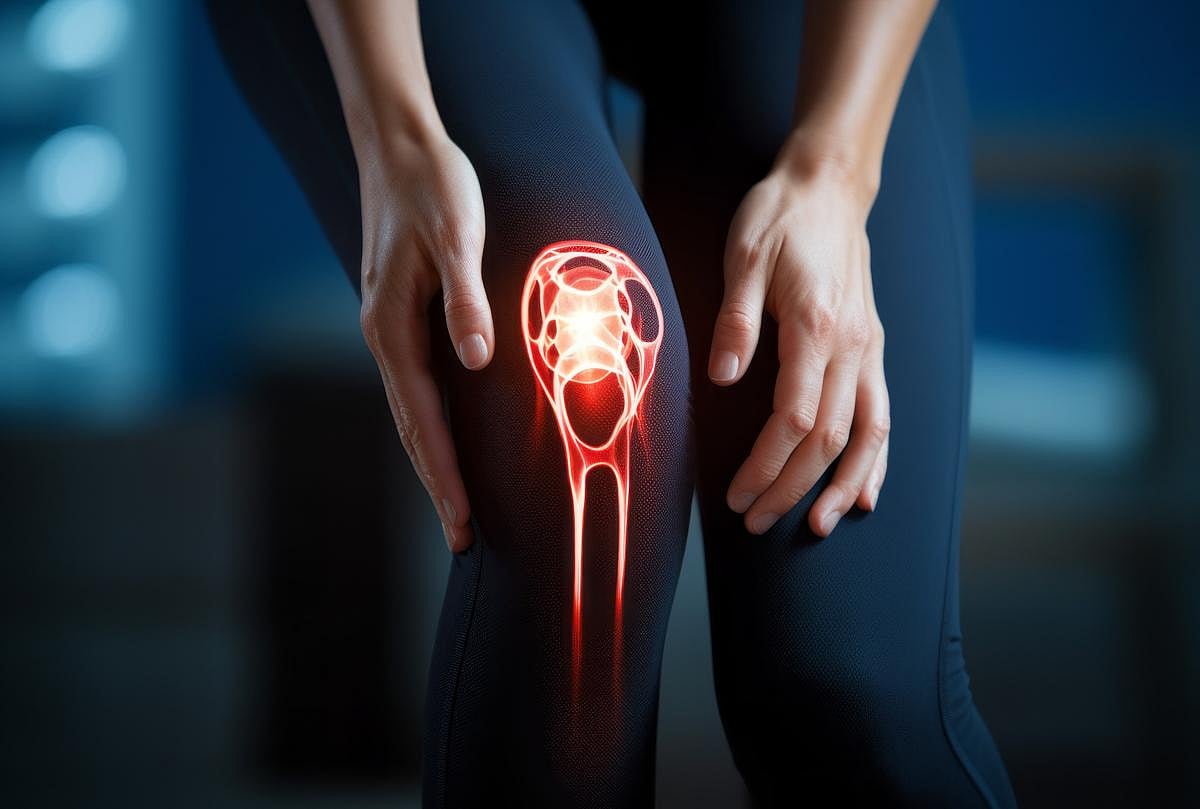
Goal is to uncover why some people have prolonged symptoms or develop new or returning symptoms after recovering from COVID-19
THURSDAY, Sept. 16, 2021 (HealthDay News) — The U.S. National Institutes of Health is spending nearly $470 million to study the long-term effects of COVID-19, the agency announced Wednesday.
NIH has awarded a “parent” grant to New York University (NYU) Langone Health, which will in turn make awards to more than 100 researchers at more than 30 institutions. The goal is to uncover why some people have prolonged symptoms (long-haul COVID) or develop new or returning symptoms after recovering from COVID-19. The most common symptoms include pain, headaches, fatigue, “brain fog,” shortness of breath, anxiety, depression, fever, chronic cough, and sleep problems.
“We know some people have had their lives completely upended by the major long-term effects of COVID-19,” NIH Director Francis Collins, M.D., said. “These studies will aim to determine the cause and find much needed answers to prevent this often-debilitating condition and help those who suffer move toward recovery.”
The program is called Researching COVID to Enhance Recovery (RECOVER). Data from RECOVER will include clinical information, laboratory tests, and analyses of various stages of recovery following infection. These studies are expected to give insights into the incidence and prevalence of long-term effects from COVID-19, the range of symptoms, underlying causes, risk factors, and outcomes. Participants will include adults, children, and pregnant women who are in the throes of COVID-19 or recovering. Funding is supported by the American Rescue Plan.
“Given the range of symptoms that have been reported, intensive research using all available tools is necessary to understand what happens to stall recovery from this terrible virus,” said Walter Koroshetz, M.D., director of the NIH National Institute of Neurological Disorders and Stroke. “Importantly, the tissue pathology studies in RECOVER will enable in-depth studies of the virus’s effects on all body systems.”
 ~16 Percent of COVID Cases Develop Postacute Sequelae of SARS-CoV-2
  Parts of the World Seeing New COVID-19 Variant
  HHS, NIH Unveil Vaccine Initiative to Protect Against Future Pandemics
  Hospital-Onset SARS-CoV-2 Infection During Omicron Linked to Morbidity
  Staffing, Scheduling, and Wage Changes Could Reattract Nurses Back to Hospitals
  Skilled Nursing Facility Capacity Declined Between 2019 and 2024
  Physical Design of Critical Care Units Influences Nursing Culture
  Low Capability Pediatric Hospitals More Than Doubled From 2003 to 2022
.jpg)