


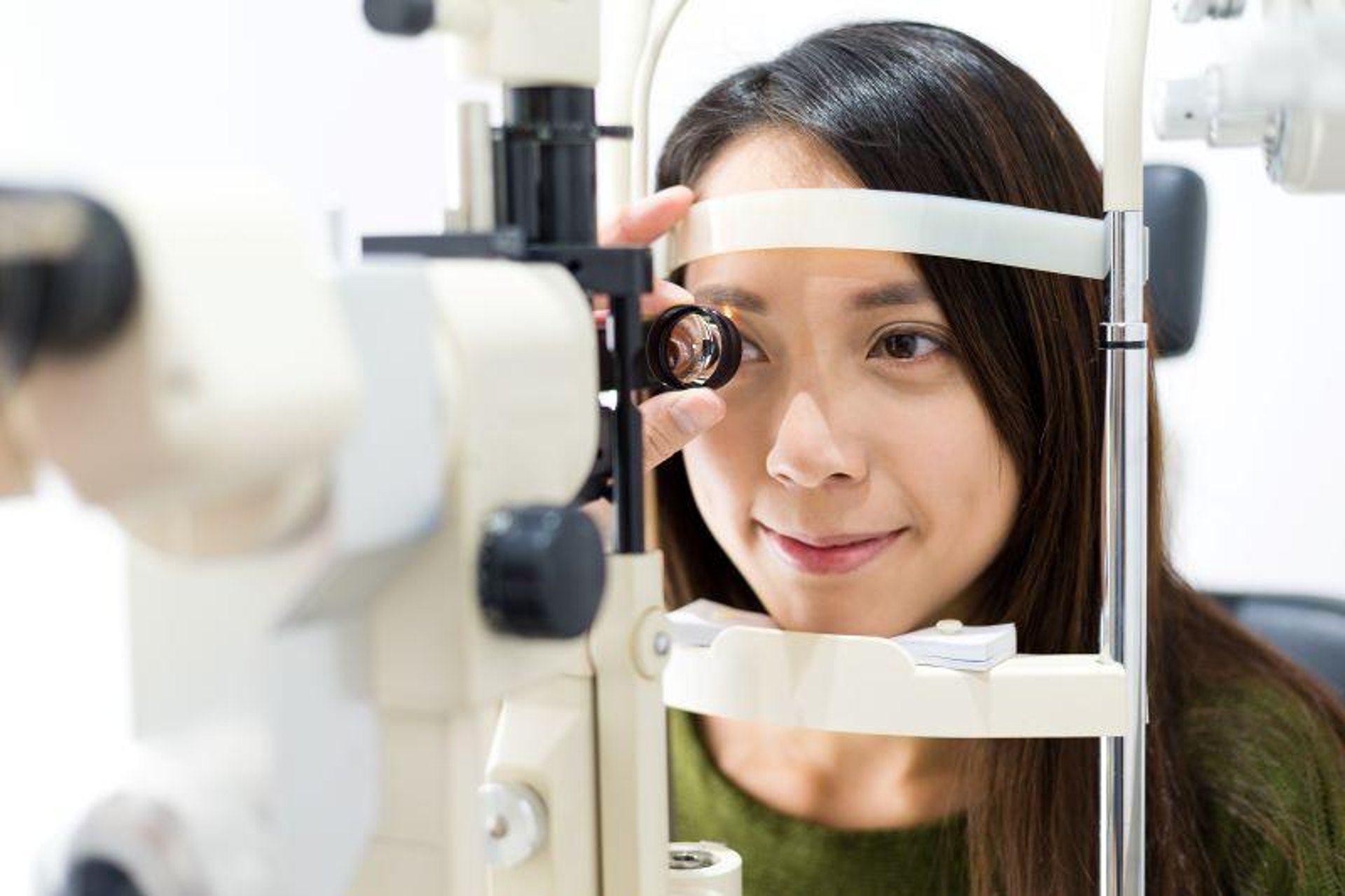
Black, Mexican, non-U.S. citizen teens more likely to have visual acuity worse than 20/40 in better-seeing eye
FRIDAY, Sept. 16, 2022 (HealthDay News) — Adolescent children who are Black, Mexican, low-income, or non-U.S. citizens are more likely to report poor subjective visual function and worse performance on visual acuity testing, according to a study published online Sept. 15 in JAMA Ophthalmology.
Jean Adomfeh, M.B.A., from Boston Children’s Hospital, and colleagues conducted a cross-sectional study of adolescents from the 2005 to 2008 National Health and Nutrition Examination Survey to describe visual health disparities. A total of 2,833 participants aged 12 to 18 years completed a visual function questionnaire and eye examination.
The researchers found that the odds of self-reported poor vision were increased among Black, Mexican American, and low-income adolescents (odds ratios, 2.85, 2.83, and 2.44, respectively). The odds of visual acuity worse than 20/40 in the better-seeing eye were increased for Black, Mexican American, and non-U.S. citizen adolescents (odds ratios, 2.13, 2.13, and 1.96, respectively).
“Physicians caring for adolescent children should be aware of the racial, ethnic, and socioeconomic disparities in vision. Improving access to vision care services may decrease the burden of preventable visual impairment extending into adulthood,” the authors write.
Abstract/Full Text (subscription or payment may be required)
 High Intake of Salty Snacks in Adolescence Linked to Risk for IBD
 Burden of Stroke Projected to Increase to >6 Percent by 2050
 Removing Race From Dialysis Quality Measures Changes Mortality Performance
 Iron Supplementation Likely to Reduce Iron-Deficiency Anemia in Children
 EHR-Enabled QI Intervention Improves Chlamydia, Gonorrhea Screening in Teens
 1 in 3 With Lupus Take Supplements, Medications With Potential for Interactions
.jpg) Considerable Gaps Reported in Care for Youth With Opioid Use Disorder
 Nutritional Deficiencies Seen in Youth Taking GLP-1 Receptor Agonists
.jpeg)




