


Incompletion of reconstruction tied to tissue expander complications, high body mass index, radiation therapy
WEDNESDAY, Jan. 4, 2023 (HealthDay News) — Reconstructive burnout in breast reconstruction is associated with tissue expander complications, high body mass indices, and radiation therapy, according to a study published in the January issue of Plastic and Reconstructive Surgery.
Sameer H. Halani, M.D., from the University of Texas Southwestern Medical Center in Dallas, and colleagues describe reconstructive burnout (no breast mound creation or completion of the breast mound without completion of all major revisions) and examined which factors predict and contribute to patients prematurely stopping reconstruction. The analysis included 530 patients undergoing breast reconstruction after skin-sparing mastectomy (2014 to 2017).
The researchers found that 76.6 percent of patients completed reconstruction. Incomplete reconstruction was associated with patients undergoing delayed-immediate reconstruction or patients having wounds, infections, or a complication requiring operative intervention. There was a strong correlation observed between explanation of expanders and reconstructive burnout. Burnout rates were similar for implant-based and autologous reconstruction (17.1 versus 19.1 percent). High body mass index, radiation therapy, any tissue expander complication, and tissue expander explanation were significant predictors of burnout. The strongest predictor of completion of reconstruction was autologous reconstruction.
“It is critical to tailor each patient’s reconstructive journey to meet both their emotional and physical needs to avoid reconstructive burnout,” the authors write.
 Local Recurrence Rate Low After R0 Resection of Soft Tissue Sarcoma Tumors
 Postoperative Complications Elevated for Patients With Systemic Lupus Erythematosus
 Implant, Patient Survival Do Not Differ for Robotic and Conventional Total Joint Replacement
 Gap Found Between Awareness of Breast Cancer Risk and Risk-Reducing Behavior
 Financial Incentives Boost Tobacco Abstinence in Underserved Adults
 Exercise Intervention Linked to Improved Attention, Memory in Breast Cancer
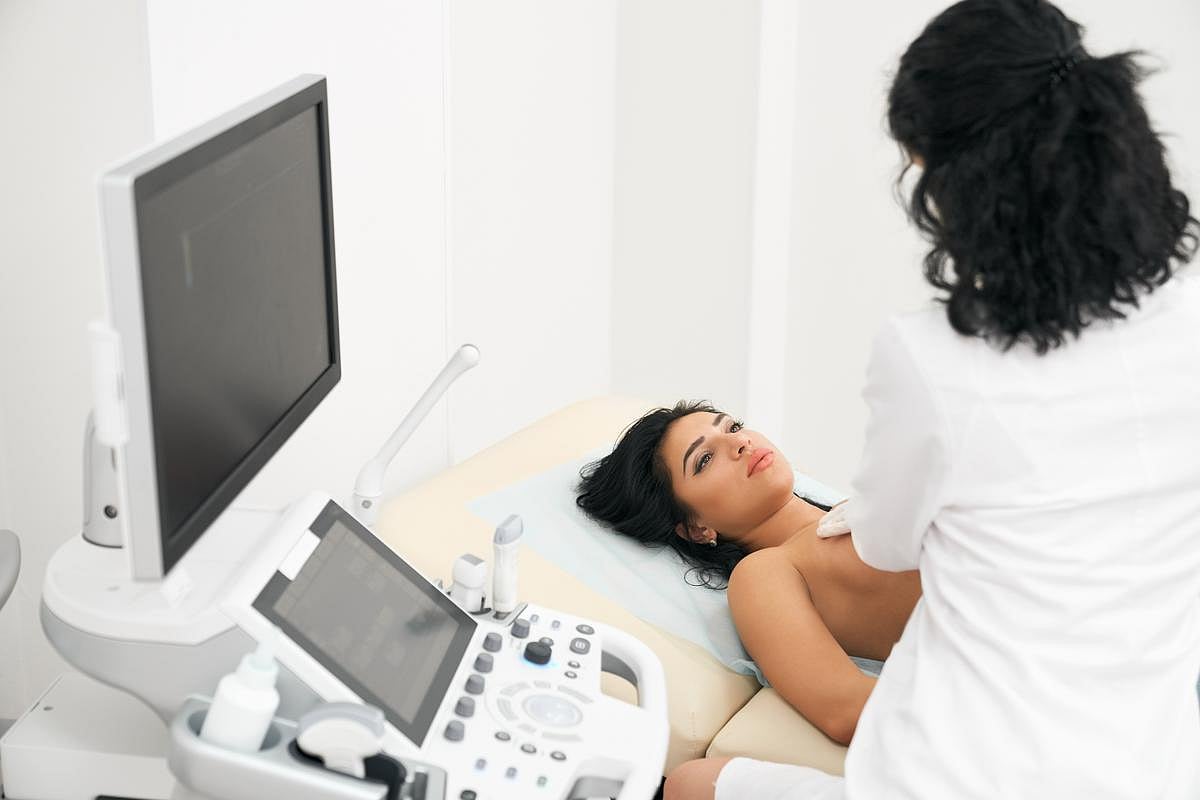 Dense Breast Notification Linked to Increase in Use of Supplemental Ultrasound
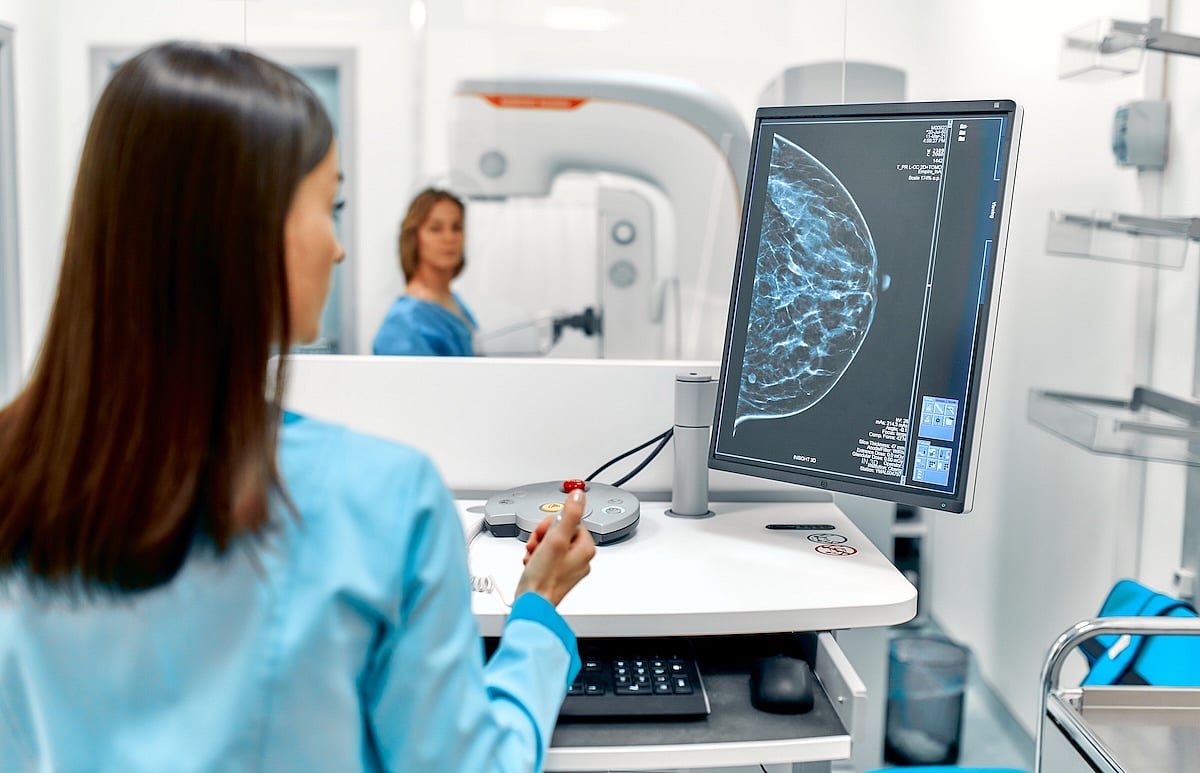 Mammography Trials Yield Excess-Incidence Patterns Consistent With Low Overdiagnosis





