



Endometrial scratching still might be offered for psychological reasons
WEDNESDAY, Dec. 22, 2021 (HealthDay News) — Roughly one-third of fertility specialists are still offering endometrial scratching despite a lack of evidence that it increases the likelihood of conception through in vitro fertilization (IVF), according to a study published online Dec. 14 in Human Fertility.
Madina Sarwari, from Monash University in Melbourne, Australia, and colleagues conducted an online survey to assess current practices and views regarding endometrial scratching for IVF. The analysis included 121 eligible responses from Australia, the United Kingdom, and New Zealand, including 61 fertility specialists, 26 embryologists, and 24 fertility nurses.
The researchers found that among fertility specialists, roughly one-third (34 percent) currently offer endometrial scratching, mostly in the case of recurrent implantation failure. The majority of respondents were either neutral or did not believe endometrial scratching improved pregnancy and live birth rates (>90 percent), except among women with recurrent implantation failure, in which 29 percent of respondents believed it can increase pregnancy and live birth rates. More than half of respondents (55 percent) thought reducing psychological distress was a benefit of endometrial scratching. Just over half of fertility specialists not offering endometrial scratching previously did offer it.
“The use of endometrial scratching appears to have reduced over time, probably following recent publications of studies which do not report that the procedure improves the chance of having a baby,” a coauthor said in a statement. “This is an encouraging finding, as it’s clear that many IVF providers do respond to new evidence as it emerges.”
 Irregular Sleep Schedule Linked to Greater Symptoms of Mental Illness
 Preoperative Advanced Therapy May Improve Outcomes for Colorectal Surgery in Crohn Disease
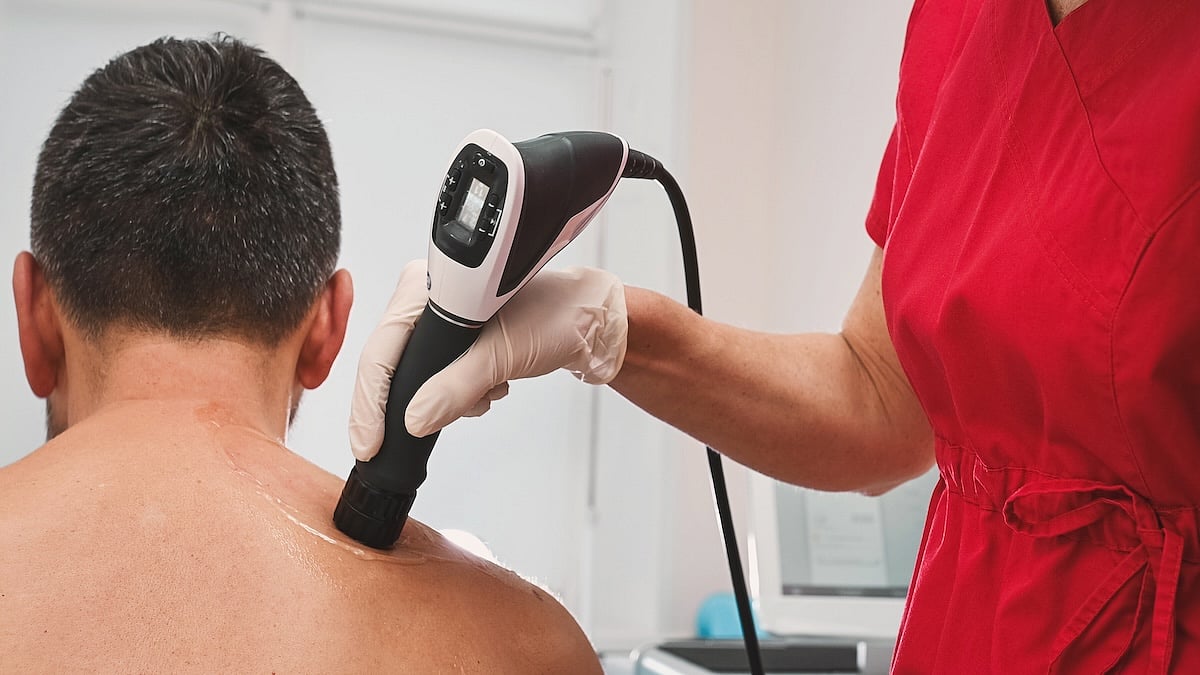 Shockwave Therapy May Provide Short-Term Benefit in Adhesive Capsulitis
 Early Postpartum Brain Loss Prominent but Reversible in MS
 One-Hour Cognitive Test Provides Meaningful Information Beyond Traditional Memory Screening
 Occupational Exposure to Petroleum Linked to Increased Risk for MS
 Healthy Sleep May Protect Brain Health From Cardiometabolic Disease Risk Factors
 More Extensive Deposits of Tau Seen in Early-Onset Alzheimer Disease
.jpeg)




