


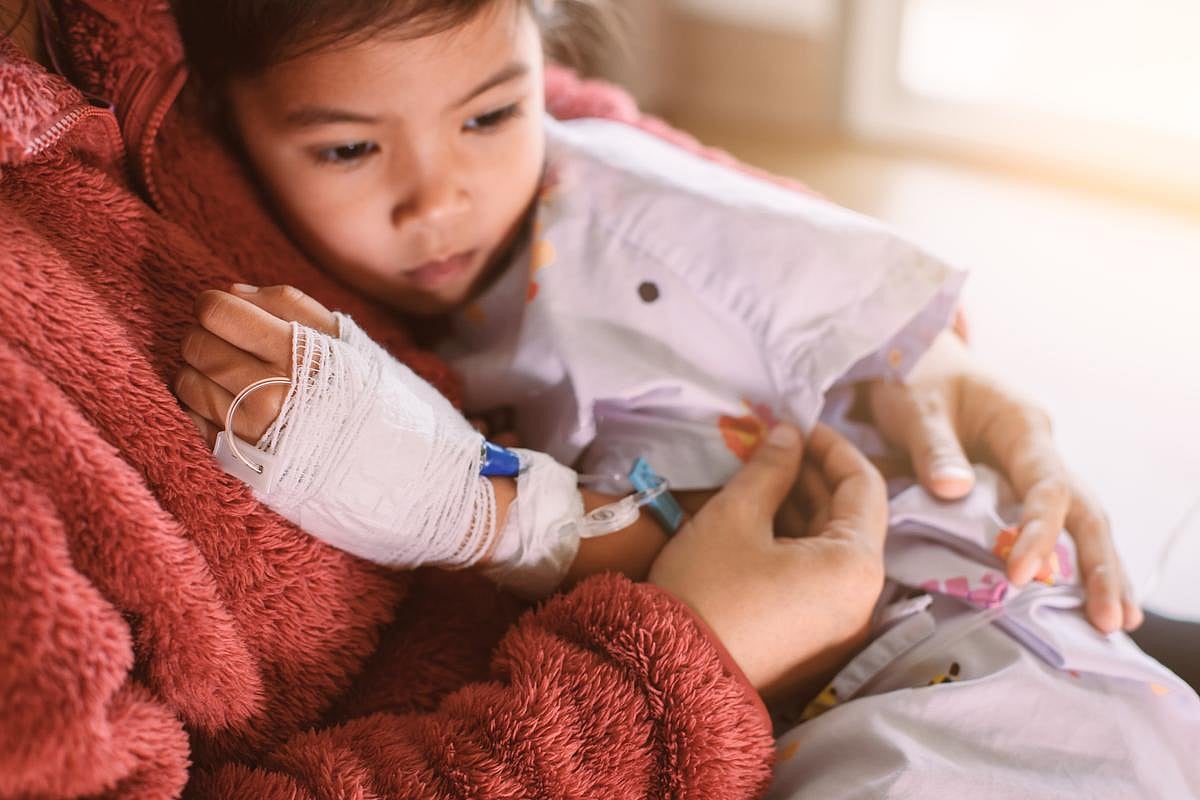
Authors say user perspectives should be incorporated into design processes
WEDNESDAY, Feb. 18, 2026 (HealthDay News) — Parents of children with medical complexity (CMC) report major challenges with at-home medical devices, according to a study published online Feb. 10 in Pediatrics.
Peter Walsh, from the Stanley Manne Children’s Research Institute at the Ann & Robert H. Lurie Children”s Hospital of Chicago, and colleagues examined the experiences of parents of CMC with in-home devices to identify opportunities for improvement. The analysis included 17 semistructured interviews with parents of CMC.
The researchers identified several main themes including lack of communication and education about product availability and frequent, major device design flaws, often with safety and health risks. Additionally, parents of CMC often addressed unmet device needs and flaws with improvised problem-solving strategies. Parents reported that structural barriers reduced access to efficacious and high-quality in-home devices.
“We found evidence that in-home user experience is critical when designing medical devices, so that common device flaws and the needs of CMC and their families could receive greater attention,” senior author Carolyn Foster, M.D., also from the Stanley Manne Children”s Research Institute, said in a statement. “To improve the safety of at-home medical devices, parent voices should be integral to the design process.”
Two authors disclosed ties to the medical device industry.
Abstract/Full Text (subscription or payment may be required)
 Disparities Identified in Home Health Care After Hip, Knee Replacement
  Higher Parental Vitamin B12 Tied to Lower Prevalence of Birth Defects
  Adult Children of Divorced, Unmarried Parents Face More Mental Health Issues
  Barriers to Pediatric Cancer Clinical Trial Participation Identified
  Pediatricians Report Immigrant Families Avoiding Care for Their Children
  2021 to 2025 Saw Reduction in Burnout Indicators Among Pediatricians
  Physical Exams May Not Reliably Diagnose Pediatric Pneumonia
  Many Young Adults Not Prepared to Manage Their Own Health Care


.jpg)

