


Lower odds of periodontal disease and caries seen in association with regular dental care
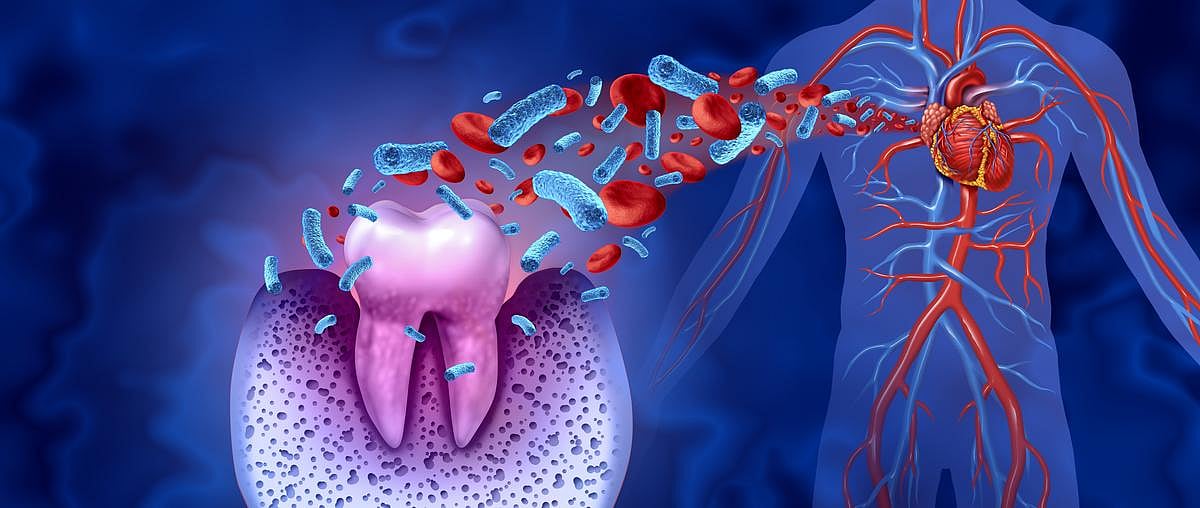
MONDAY, Oct. 27, 2025 (HealthDay News) — Periodontal disease (PD) and dental caries are associated with an increased risk for ischemic stroke and major adverse cardiovascular events (MACE), according to a study published online Oct. 22 in Neurology Open Access.
Stefanie Wood, from the University of South Carolina in Columbia, and colleagues examined the individual and joint associations of PD and dental caries with incident ischemic stroke, stroke subtypes, and MACE and assessed the relationship between regular dental care utilization and oral disease status using data from participants in the Atherosclerosis Risk in Communities study. Oral health status was classified as good, PD only, or PD with caries.
Of 5,986 participants, 1,640, 3,151, and 1,195 had good oral health, PD only, and PD + caries, respectively. The researchers found that across groups, the incidence of ischemic stroke was 4.1, 6.9, and 10.0 percent, respectively. PD + caries was associated with an increased risk for ischemic stroke and MACE in fully adjusted models (hazard ratios, 1.86 and 1.36, respectively). For thrombotic and cardioembolic strokes, elevated risk was also observed (hazard ratios, 2.27 and 2.58, respectively). Lower odds of PD and PD + caries were seen in association with regular dental care (odds ratios, 0.71 and 0.19, respectively).
“These findings suggest that improving oral health may be an important part of stroke prevention efforts,” coauthor Souvik Sen, M.D., M.P.H., also from the University of South Carolina, said in a statement.
.jpg) 2000 to 2024 Saw Decrease in Age-Adjusted Stroke Death Rate in U.S.
 Burden of Stroke Projected to Increase to >6 Percent by 2050
 Lower Cognitive Functioning During 60s Linked to Subsequent Stroke Risk
 Insomnia Linked to Increased Risk for Stroke, Odds of Admission
 Irregular Sleep Schedule Linked to Greater Symptoms of Mental Illness
 Physical Activity Before Cognitive Therapy Beneficial in Major Depressive Disorder
 One-Hour Cognitive Test Provides Meaningful Information Beyond Traditional Memory Screening
 Odds of Suicidal Ideation Elevated for Adults With Cannabis Use Disorder




