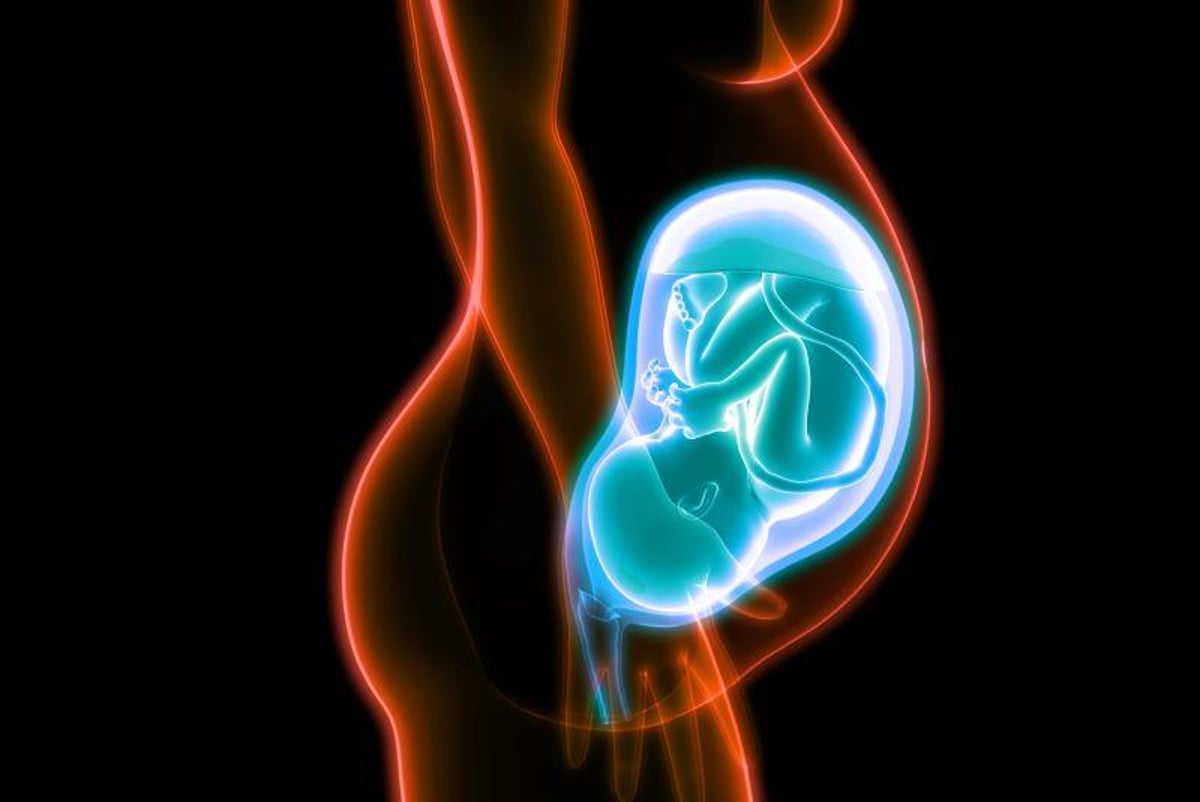
Globular placenta identified in prenatal MRI examination among women infected with pre-omicron, omicron variants
WEDNESDAY, Jan. 25, 2023 (HealthDay News) — Severe acute respiratory syndrome coronavirus 2 (SARS-CoV-2) infection in pregnancy can lead to placental lesions, according to a study published online Jan. 20 in The Lancet Regional Health Europe.
Patric Kienast, M.D., from the Medical University of Vienna, and colleagues conducted a prospective case-control study involving pregnant women who were referred for prenatal magnetic resonance imaging (MRI) after confirmed SARS-CoV-2 infection. Thirty-eight prenatal MRI examinations were included after confirmed SARS-CoV-2 infection and were matched with 38 control cases for sex, MRI field strength, and gestational age. Of the 38 cases, 20 and 18 (52.6 and 47.4 percent) were infected with pre-omicron variants and omicron, respectively.
Prenatal MRIs were performed an average of 83 days after first positive polymerase chain reaction test. The researchers found that compared with control cases, both the pre-omicron and omicron groups showed abnormalities in the form of a globular placenta. Furthermore, in the pre-omicron group, placentas were significantly thickened and showed significantly more frequent lobules and hemorrhages. In 25 percent of the pre-omicron group, fetal growth restriction was observed.
“Prenatal MRI after SARS-CoV-2 infection in pregnancy reveals placental lesions based on vascular malperfusion,” the authors write. “These changes are more pronounced in pre-omicron variants than in omicron and provide an explanation for SARS-CoV-2-associated morbidity of the fetus, such as fetal growth restriction.”
 Excessive Gestational Weight Gain Linked to Severe Maternal Morbidity
 Low Levels of Placental Growth Factor in Pregnancy Linked to Subsequent ADHD in Offspring
 Recommendations Issued for Use of Incretin-Based Meds in Pregnancy
 Pre-Prostate Biopsy MRI Use Increased From 2017 to 2026
 Urine Cell-Free RNA Shows Promise as Biomarker for Bladder Cancer
 PET/MRI Offers Diagnostic, Prognostic Value in Pediatric Epilepsy
.jpeg) Higher Intake of Saturated, Animal Fats May Increase Mortality in Prostate Cancer
 Adverse Pathological Features Do Not Predict Benefit of Hormone Therapy in Prostate Cancer