


Risk varies by type of distress, but significant relationships seen for exhaustion and stress
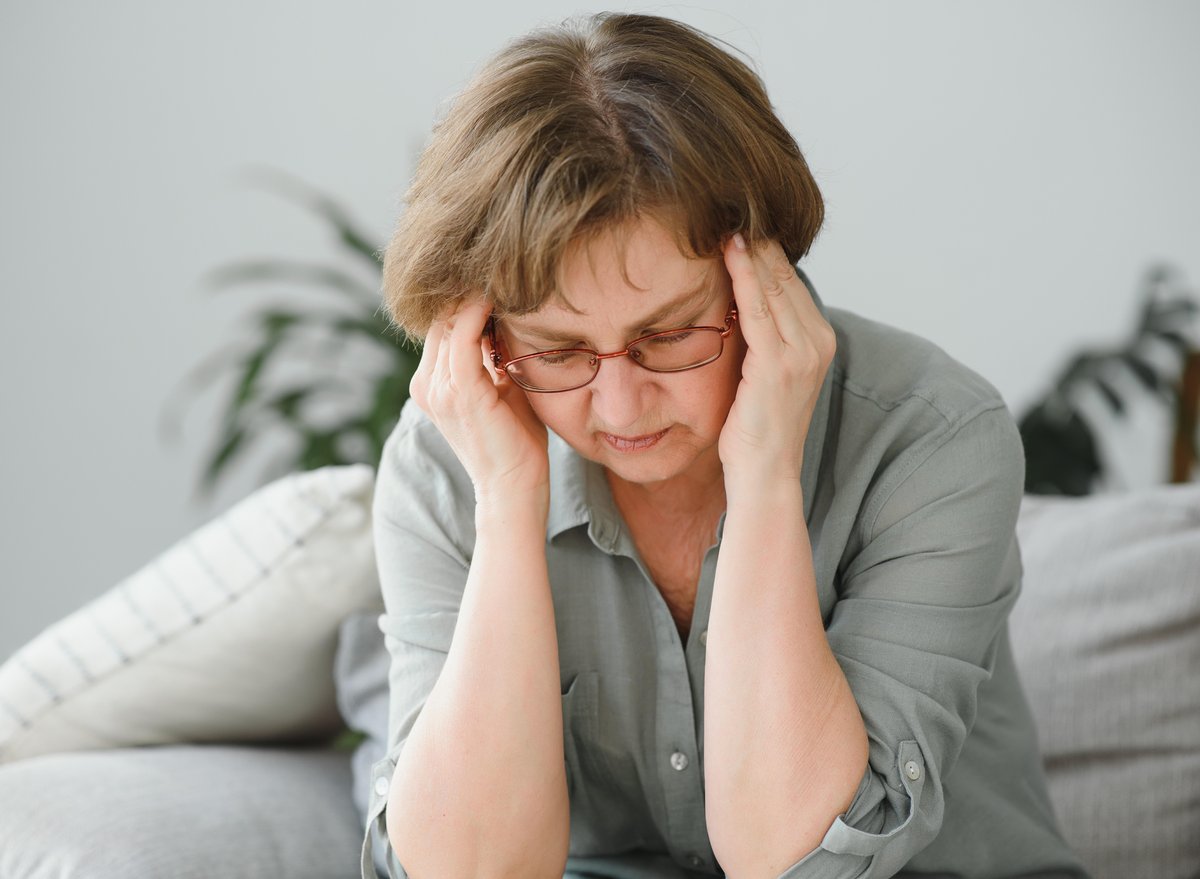
TUESDAY, Dec. 20, 2022 (HealthDay News) — Self-reported psychological distress is likely a causal risk factor for subsequent dementia, according to a study published online Dec. 15 in JAMA Network Open.
Sonja Sulkava, M.D., Ph.D., from the Finnish Institute for Health and Welfare in Helsinki, and colleagues examined the association of psychological distress with dementia. The analysis included 67,688 participants in the National FINRISK Study surveys (1972, 1977, 1982, 1987, 1992, 1997, 2002, and 2007) with linked patient data to the Finnish Health Register for dementia and mortality follow-up through 2017.
The researchers found that psychological distress was significantly associated with all-cause dementia, with rates varying by distress type (incidence rate ratios [95 percent confidence intervals], 1.17 [1.08 to 1.26] and 1.24 [1.11 to 1.38] for exhaustion and stress, respectively). Associations remained significant in sensitivity analyses. Other than for depressive mood (hazard ratio, 1.08; 95 percent confidence interval, 0.98 to 1.20), a Fine–Gray model showed significant associations with psychological distress symptoms (hazard ratios [95 percent confidence intervals], 1.08 [1.01 to 1.17] and 1.12 [1.00 to 1.25] for exhaustion and stress, respectively). There were significant associations observed for all the symptoms and competing risk for death in both models.
“After considering these phenomena, we suggest that symptoms of psychological distress are etiological risk factors for dementia but only weakly increase the incidence of dementia in the presence of competing risk of death,” the authors write.
 One-Hour Cognitive Test Provides Meaningful Information Beyond Traditional Memory Screening
 β3 Agonists Do Not Cut Dementia Risk Versus Anticholinergics in OAB
 Vitamin C Supplements in Pregnancy May Boost Infant Emotional Well-Being
 Early Postpartum Brain Loss Prominent but Reversible in MS
 Iron Supplementation Likely to Reduce Iron-Deficiency Anemia in Children
 Prevalence of Preeclampsia Increased With Familial Hypercholesterolemia
 Screening, Treating STIs During Pregnancy May Cut Preterm Birth Risk
.jpeg)




