


However, linear radiation dose-response association between radioactive iodine and solid cancer mortality seen in two studies
THURSDAY, Sept. 23, 2021 (HealthDay News) — Pooled cancer risk after exposure to radioactive iodine (RAI) therapy for hyperthyroidism is not significantly elevated, according to a review published online Sept. 17 in JAMA Network Open.
Sung Ryul Shim, Ph.D., from the Korea University College of Medicine in Seoul, and colleagues conducted a systematic literature review and meta-analysis of data from studies examining site-specific cancer incidence and mortality after RAI treatment for hyperthyroidism.
Based on data from 12 studies (479,452 participants), the researchers found that the overall pooled cancer incidence ratio was 1.02 (95 percent confidence interval [CI], 0.95 to 1.09) and the pooled cancer mortality ratio was 0.98 (95 percent CI, 0.92 to 1.04) for exposure to RAI therapy versus nonexposure. There were no statistically significant elevations observed in the risk for specific cancers except thyroid cancer incidence (standardized incidence ratio, 1.86; 95 percent CI, 1.19 to 2.92) and mortality (standardized mortality ratio, 2.22; 95 percent CI, 1.37 to 3.59). RAI was significantly associated with breast and solid cancer mortality (breast cancer mortality per 370 MBq: 1.35; solid cancer mortality per 370 MBq: 1.14), based on two studies evaluating dose response.
“These findings suggest that radiation-induced cancer risks following RAI therapy for hyperthyroidism are small and, in observational studies, may only be detectable at higher levels of administered dose,” the authors write.
 Preoperative Advanced Therapy May Improve Outcomes for Colorectal Surgery in Crohn Disease
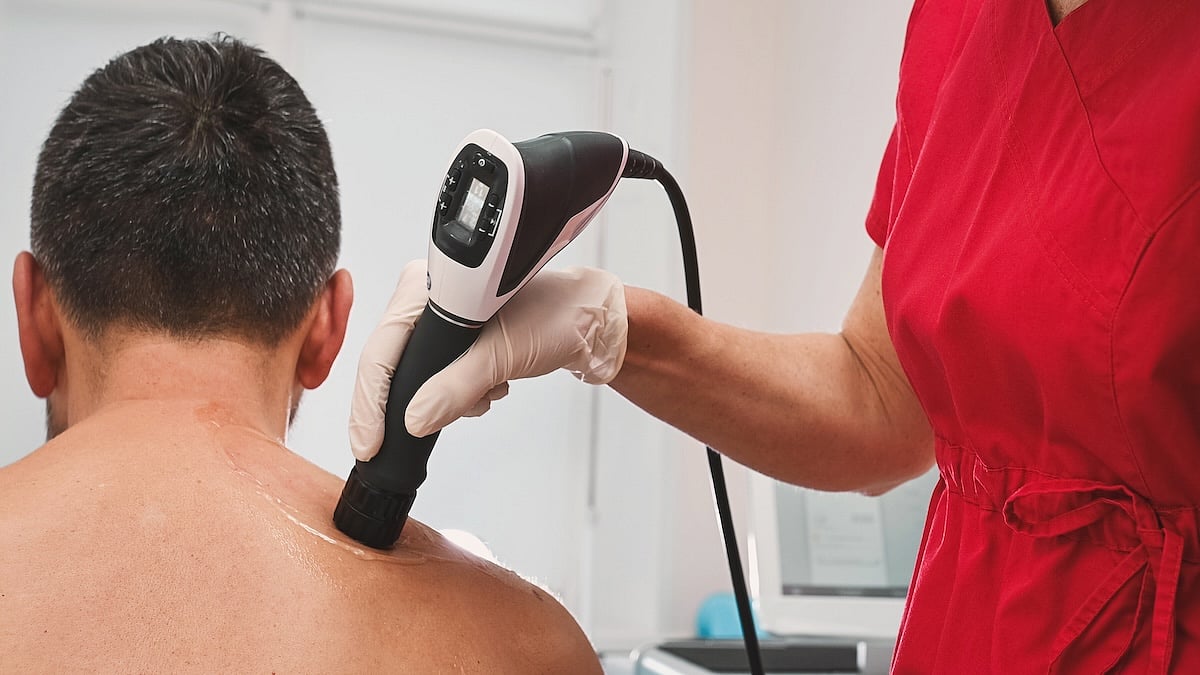 Shockwave Therapy May Provide Short-Term Benefit in Adhesive Capsulitis
 Low Diagnostic Yield Seen for Postmastectomy Imaging in Patients With DCIS
 Morphea Linked to Higher Risk for Cancer
 Broad Genomic Sequencing Improves Survival in First-Line Setting in Advanced NSCLC
 Nonmedical Expense Reimbursement May Make Cancer Trials More Accessible
.jpg) Most Specialty Oral Anticancer Meds for Blood Cancers Are Initially Rejected by Insurers
 Personalized Support Boosts Families" Genetic Testing for Hereditary Cancers




.jpeg)
