


Sensitive skin occurred on body sites that were and were not affected by hyperhidrosis
TUESDAY, Oct. 15, 2024 (HealthDay News) — Sensitive skin (SS) seems to be associated with primary hyperhidrosis (PHH), according to a study published online Sept. 30 in the Journal of Drugs in Dermatology.
Erika T. McCormick, from the George Washington University School of Medicine and Health Sciences in Washington, D.C., and colleagues surveyed 637 PHH sufferers to assess HH and SS symptom burden. The survey was disseminated by the International Hyperhidrosis Society. Random forest machine learning algorithms were used to build a predictive classification model for SS.
The researchers found that 89 percent of the respondents reported SS; and HH and SS severity scores were significantly associated. SS occurred on body sites that were and were not affected by HH. For predicting SS in this cohort, the Sensitive Scale-10 validated questionnaire was most helpful.
“Our study, using machine learning models, confirmed for the first time that someone with primary hyperhidrosis is more likely to have sensitive skin than the general public, even in areas where there is no excessive sweating,” lead author Adam Friedman, M.D., also from George Washington University, said in a statement. “This could help prepare dermatologists to better partner with their patients, educate, identify and manage sensitive skin in patients suffering from excessive sweating, and highlight shared disease mechanisms which may help facilitate new treatment approaches.”
Several authors disclosed ties to Galderma, which funded the study.
Abstract/Full Text (subscription or payment may be required)
 Morphea Linked to Higher Risk for Cancer
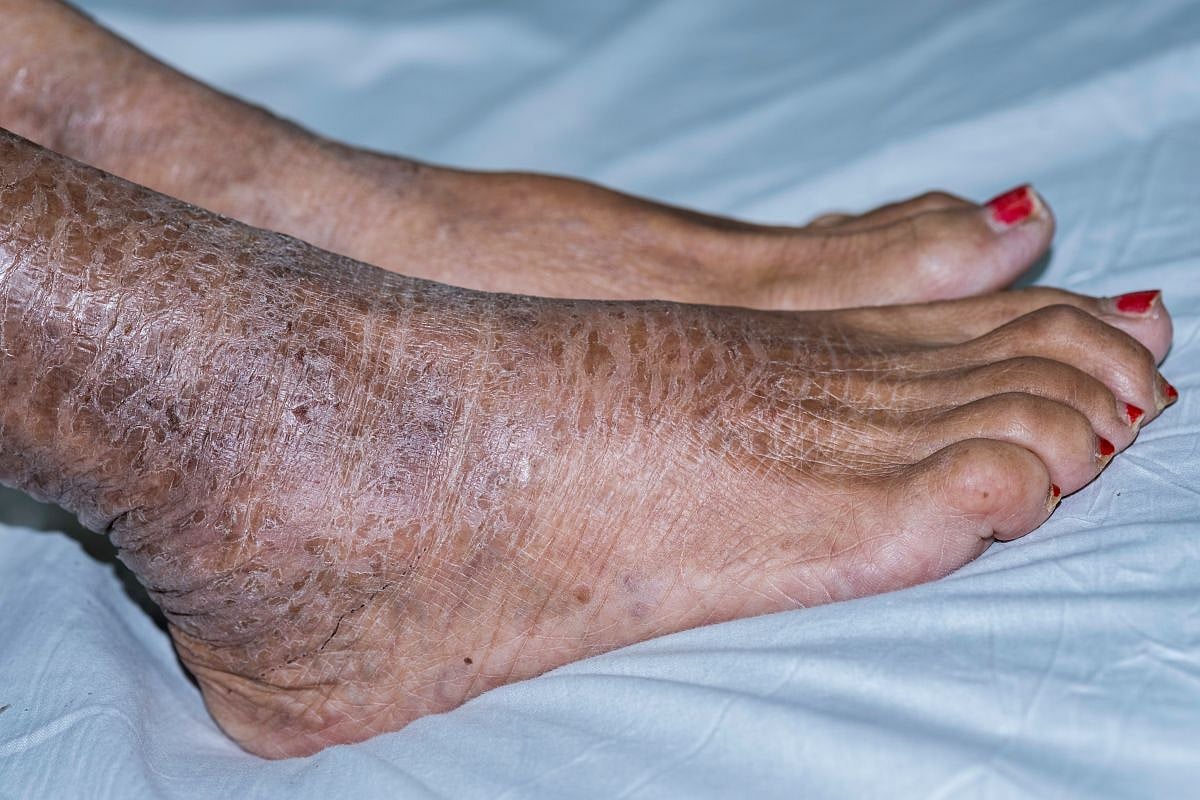 Congenital Ichthyosis Linked to Allergic Disorders
 Distinct Skin Microbiome Features Emerge Before Atopic Disease Onset in Infants
 Freshwater Swimming Tied to Stomach Bugs, Skin Conditions
 Environmental Lead Exposure Linked to Increased Risk for Strep in Children
 Occupational Exposure to Petroleum Linked to Increased Risk for MS
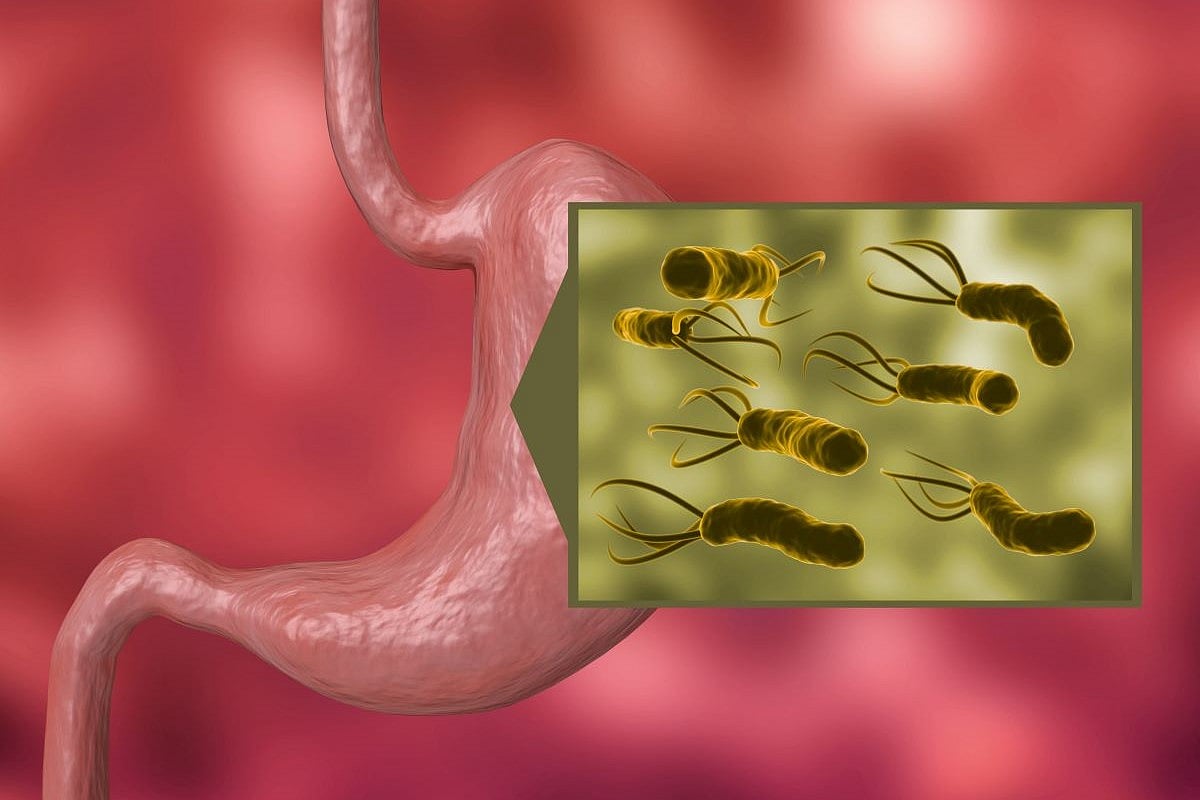 H. Pylori Exposure May Contribute to Global Burden of Colorectal Cancer
 About 1 in 20 Hospitalized U.S. Adults With Firearm Injuries Develop Bacterial Infections




.jpeg)
