


Rates of anaphylaxis low for IV iron products, but risk for anaphylaxis increased with iron dextran and ferumoxytol compared with iron sucrose
TUESDAY, March 29, 2022 (HealthDay News) — The rates of anaphylaxis are low for commonly used intravenous (IV) iron products, but the risk for anaphylaxis is increased for iron dextran and ferumoxytol compared with iron sucrose, according to a study published online March 29 in the Annals of Internal Medicine.
Chintan V. Dave, Pharm.D., Ph.D., from Rutgers University in New Brunswick, New Jersey, and colleagues conducted a retrospective cohort study using a target trial emulation framework to compare the risks for anaphylaxis among five IV iron products that are frequently used. Participants included older adults with Medicare fee-for-service with Part D coverage who received their first administration of IV iron between July 2013 and December 2018.
The researchers found that the adjusted incidence rates for anaphylaxis per 10,000 first administrations were 9.8, 4.0, 1.5, 1.2, and 0.8 cases for iron dextran, ferumoxytol, ferric gluconate, iron sucrose, and ferric carboxymaltose, respectively. The adjusted odds ratios for anaphylaxis using iron sucrose as the referent category were 8.3 and 3.4 for iron dextran and ferumoxytol, respectively. Only patients using iron dextran or ferumoxytol had anaphylactic reactions requiring hospitalizations.
“Our investigation offers an important step in understanding the differences in the risk for anaphylaxis due to IV iron use,” the authors write. “Although the risk for such events with all IV iron products remained very low, our study implicated both iron dextran and ferumoxytol with an increased risk for anaphylaxis.”
Abstract/Full Text (subscription or payment may be required)
 Iron Supplementation Likely to Reduce Iron-Deficiency Anemia in Children
.jpg) ASH Issues Guidance on Serum Ferritin Thresholds for Diagnosing Iron Deficiency
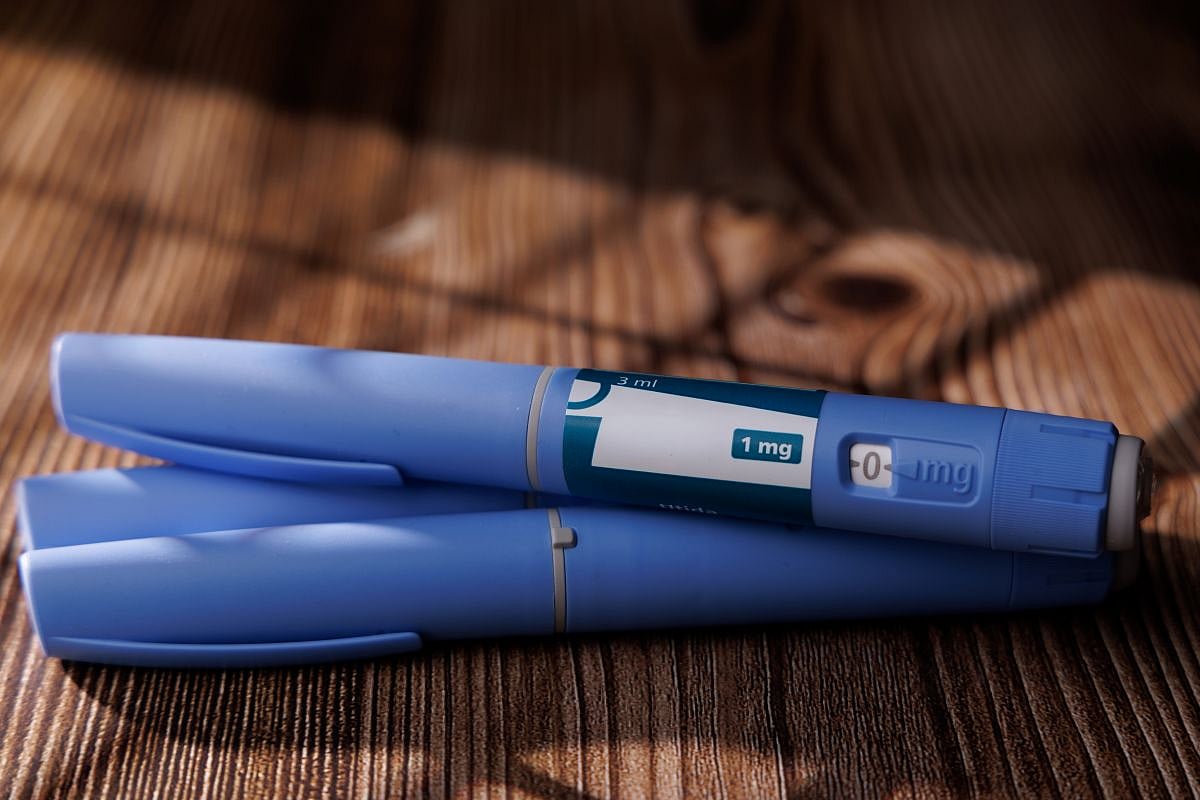 Nutritional Deficiencies Seen in Youth Taking GLP-1 Receptor Agonists
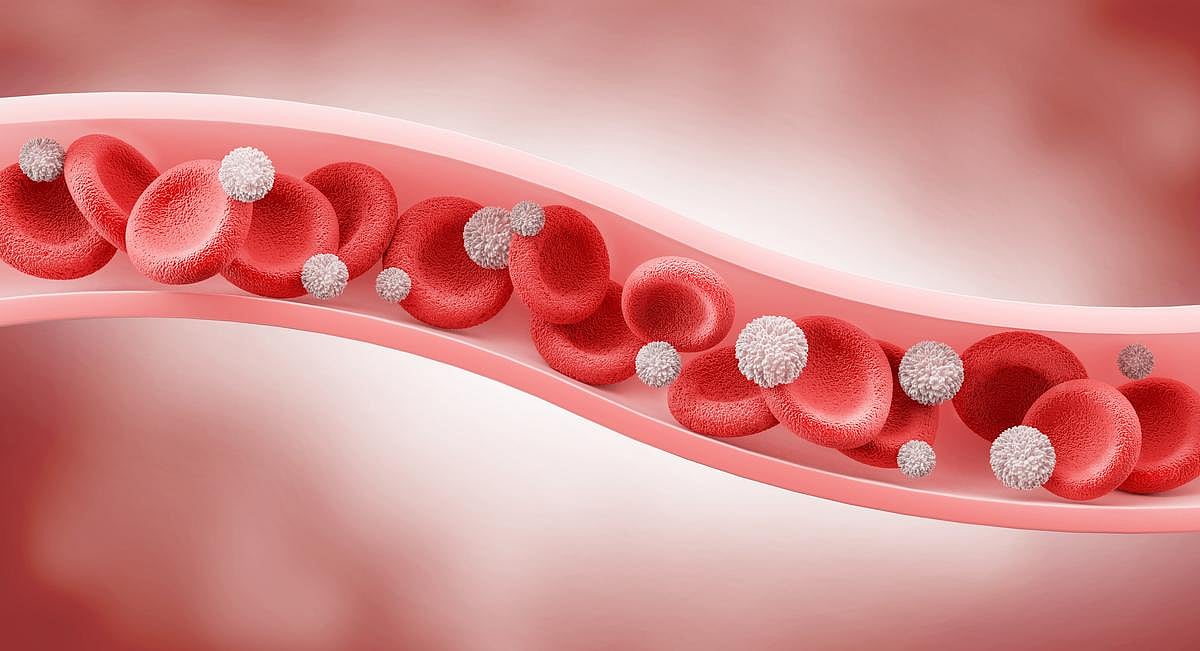 Reference Intervals Developed for Children, Adults With Duffy Null Status
 Seniors With Hypertension Benefit From Pausing ACE Inhibitors, ARBs on Morning of Surgery
 Morphea Linked to Higher Risk for Cancer
 Nonmedical Expense Reimbursement May Make Cancer Trials More Accessible





