


Findings seen in large sample of U.S. female nurses followed for 24 years
THURSDAY, May 5, 2022 (HealthDay News) — Rotating night shift work is associated with a decreased probability of healthy aging among U.S. female nurses, according to a study published online May 4 in JAMA Network Open.
Hongying Shi, Ph.D., from the School of Public Health and Management at Wenzhou Medical University in China, and colleagues examined whether rotating night shift work is associated with healthy aging over 24 years of follow-up. The analysis included 46,318 participants in the Nurses’ Health Study (aged 46 to 68 years in 1988).
The researchers found that compared with women who never worked rotating night shifts, the odds of achieving healthy aging decreased significantly with increasing duration of night shift work (for one to five years of night shift work: adjusted odds ratio, 0.96 [95 percent confidence interval, 0.89 to 1.03]; six to nine years: adjusted odds ratio, 0.92 [95 percent confidence interval, 0.79 to 1.07]; ≥10 years: adjusted odds ratio, 0.79 [95 percent confidence interval, 0.69 to 0.91]). Results were similar across ages and lifestyles.
“Because an increasing proportion of the working population is involved in rotating night shift work, these findings further highlight the importance of understanding the association of night shift work with human health,” the authors write. “Additional studies are warranted to confirm our findings in men and other ethnic populations.”
 Plasma P-tau217 Tied to Future Cognitive Impairment Risk
 Occupational Exposure to Petroleum Linked to Increased Risk for MS
 Recommendations Provided for Managing Shift Work Disorder
 Women With Autism May Experience More Severe Menopause
 Characteristics of Individuals Diagnosed With Autism Have Changed Since 2010
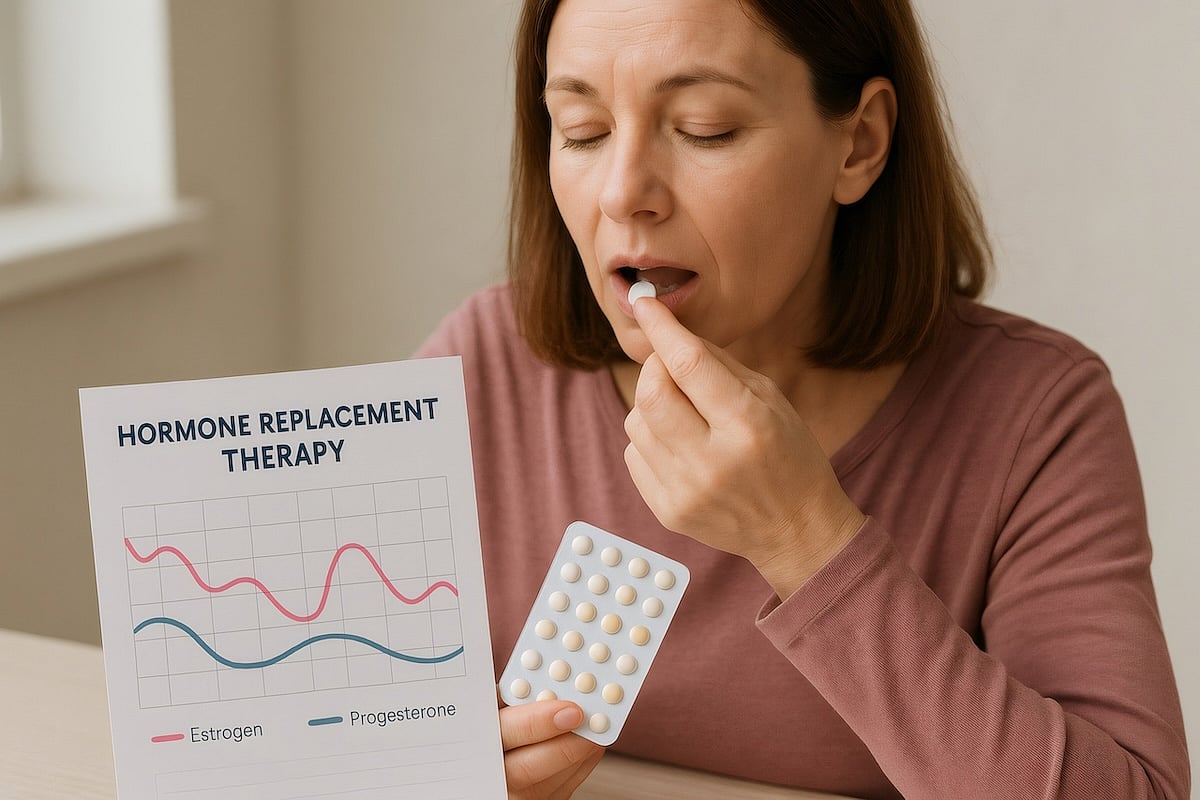 Oral Menopausal Hormone Therapy Linked to Venous Thromboembolic Risk
 Exercise Intervention Linked to Improved Attention, Memory in Breast Cancer
 Functional Decline Precedes Cardiovascular Disease Events by Many Years




.jpeg)
