



Colonoscopy at five versus three years after polyp removal noninferior for colorectal cancer cumulative incidence at five years
TUESDAY, Sept. 22, 2026 (HealthDay News) — For patients with high-risk adenomas, initiating surveillance five years after polyp removal is not inferior to initiation at three years, according to a study published in the Sept. 17 issue of the New England Journal of Medicine.
Rodrigo Jover, M.D., Ph.D., from Hospital General Universitario Dr. Balmis in Alicante, Spain, and colleagues conducted an ongoing noninferiority trial in eight European countries involving patients with high-risk adenomas who were randomly assigned to undergo a first colonoscopy at five years after polyp removal or at three years; current guidelines recommend surveillance at three years. A total of 10,799 patients underwent randomization: 5,398 and 5,401 were assigned to the five- and three-year groups, respectively.
At an interim analysis conducted after 5.5 years of follow-up, the researchers found that the five-year cumulative incidence of colorectal cancer was 0.77 and 0.82 percent with less frequent and more frequent surveillance, respectively; the upper boundary of the 99.12 percent confidence interval was 0.68 percent, meeting the noninferiority criterion. There was no substantial difference between the groups in the distribution of cancer stage at diagnosis. Overall, five patients died of colorectal cancer: three and two (0.06 and 0.04 percent) in the five- and three-year groups, respectively.
“These interim findings make one point clear already: surveillance policy must be determined not by habit or by fear of doing too little, but by evidence of what benefits patients,” Aasma Shaukat, M.D., M.P.H., from the New York University Grossman School of Medicine in New York City, and Theodore R. Levin, M.D., from Kaiser Permanente in Pleasanton, California, write in an accompanying editorial.
Several authors disclosed ties to the biopharmaceutical industry.
Abstract/Full Text (subscription or payment may be required)
 Family History of CRC Increases CRC Risk Similarly in IBD, General Population
  Lower Breast, Cervical Cancer Screening Seen for Adults With Disabilities
 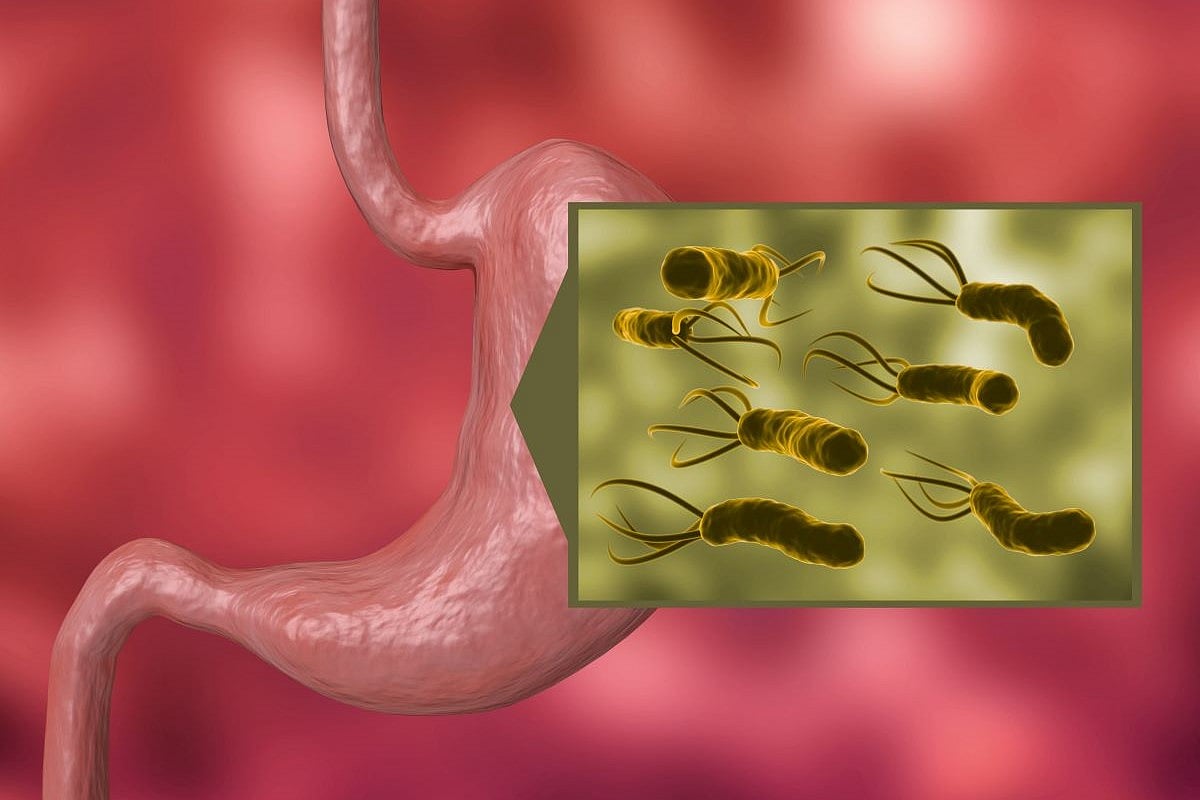 H. Pylori Exposure May Contribute to Global Burden of Colorectal Cancer
  Couples" Coping Skills Help Reduce Depression in GI Cancer Survivors
 .jpg) Most Specialty Oral Anticancer Meds for Blood Cancers Are Initially Rejected by Insurers
Most Specialty Oral Anticancer Meds for Blood Cancers Are Initially Rejected by Insurers  Better Youth Fitness May Lower Risk for Depression in Adulthood
  Personalized Support Boosts Families" Genetic Testing for Hereditary Cancers
  2013 to 2024 Saw Decrease in Benzodiazepine Prescribing



