


Public-loud and public-noisy BPs show minimal, non-clinically important differences from private quiet BPs
TUESDAY, Jan. 28, 2025 (HealthDay News) — Differences in blood pressure (BP) readings obtained in public spaces versus private spaces are minimal and non-clinically important, according to a study published online Jan. 28 in the Annals of Internal Medicine.
Junichi Ishigami, M.D., M.P.H., from the John Hopkins Bloomberg School of Public Health in Baltimore, and colleagues examined the effect of noise and public environment on BP readings in a study conducted among 108 community-dwelling adults. Study measures were obtained in a clinical research office and a public food market, which had average noise levels of 37 and 74 dB, respectively. Participants were randomly assigned to the order in which they underwent triplicate BP measurements in each of three settings: private quiet office (reference), noisy public space, and noisy public space plus earplugs (private quiet, public loud, and public quiet, respectively).
The researchers found mean systolic BPs of 128.9, 128.3, and 129.0 mm Hg in private quiet, public loud, and public quiet spaces, respectively. The corresponding diastolic BPs were 74.2, 75.9, and 75.7 mm Hg. Minimal, non-clinically important differences were seen for public loud and public quiet BPs versus private quiet BPs (public loud: Δ: −0.66 and 1.65 mm Hg for systolic and diastolic BP, respectively; public quiet: Δ: 0.09 and 1.45 mm Hg for systolic and diastolic BP, respectively). Across subtypes, these patterns were generally consistent.
“These results suggest that public spaces are reasonable settings to conduct hypertension-screening programs,” the authors write.
Abstract/Full Text (subscription or payment may be required)
 Seniors With Hypertension Benefit From Pausing ACE Inhibitors, ARBs on Morning of Surgery
.jpg) Pregnancy Complications Linked to Subsequent Risk for Cardiometabolic-Renal Conditions
 Isometric Exercise Training Three Times a Week Preserves Cardiovascular Benefits
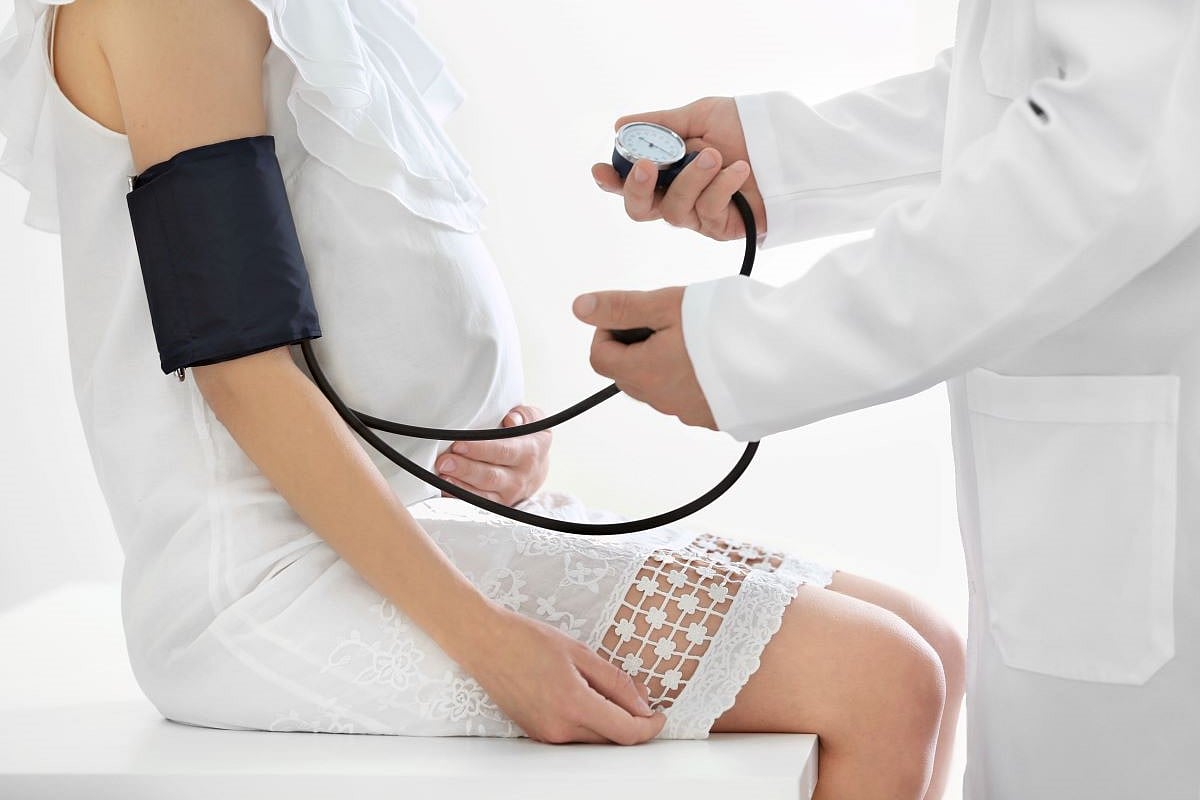 IBD Not Linked to Risk for Hypertensive Disorders of Pregnancy Overall
 Risk for Disease Flare Low for Women With IBD Undergoing Assisted Reproductive Technology
 High Intake of Salty Snacks in Adolescence Linked to Risk for IBD
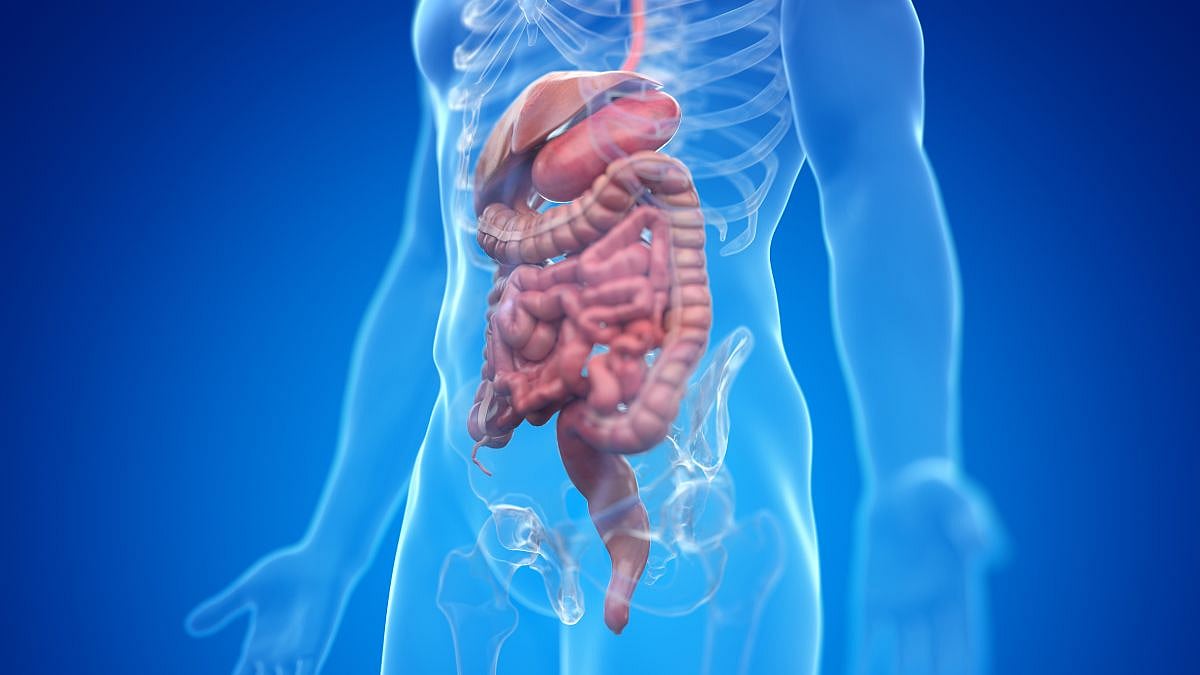 Inflammatory Bowel Disease Linked to Increased Risk for Cirrhosis
 Parents Strongly Accept Intestinal Ultrasound for Pediatric IBD Monitoring
.jpeg)



