Wearable device data could predict New York Heart Association functional class similarly to clinical measures and six-minute walk test
TUESDAY, July 23, 2024 (HealthDay News) — For patients with atrial fibrillation, digoxin and beta-blockers have equivalent effects on heart rate at rest and on exertion, according to a study published online July 15 in Nature Medicine.
Simrat K. Gill, from the University of Birmingham in the United Kingdom, and colleagues compared heart rate in older, multimorbid patients with permanent atrial fibrillation and heart failure who were randomly allocated to receive digoxin or beta-blockers. In 53 participants, heart rate and physical activity intervals were obtained using a wrist-worn wearable linked to a smartphone for 20 weeks.
The researchers found that there was no significant difference in heart rates for those treated with digoxin versus beta-blockers. After accounting for physical activity or patients with high-activity levels, there was no difference in heart rate between the groups. Wearable device data could predict New York Heart Association functional class five months after baseline assessment similarly to standard clinical measures of electrocardiographic heart rate and six-minute walk test using a convolutional neural network designed to account for missing data.
“A neural network model of wearable sensor data showed similar performance for predicting future health status as conventional measures used in clinical trials,” the authors write.
Several authors disclosed ties to the biopharmaceutical industry.
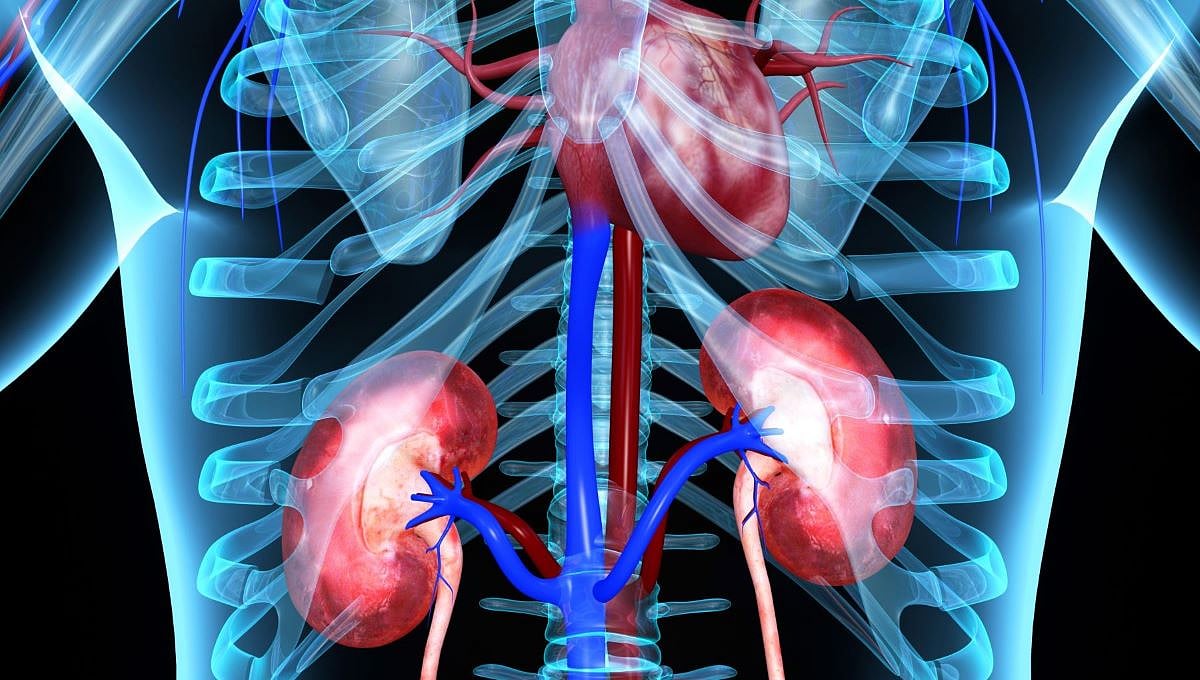 2011 to 2021 Saw Heart Failure-Related Hospitalization Rise in CKD
  Machine Learning Model IDs Heart Failure With Reduced Ejection Fraction Using Routine Lab Indicators
  Paternal Exposure to Valproate Not Linked to Offspring Neurodevelopmental Disorders
  Drug Retention in Spondyloarthritis Varies With Socioeconomic Status
  Timing of JAK Initiation, Shingles Vaccine Administration Can Affect Outcomes in RA
  Bimekizumab Well Tolerated, Efficacious Over Three Years in Axial Spondyloarthritis
  Longer Persistence Seen With Upadacitinib Versus TNFi in Rheumatoid Arthritis
  Achieving Low Serum Urate Levels Can Cut Risk for Cardiovascular Events in Gout