


 The annual meeting of the Radiological Society of North America was held from Nov. 30 to Dec. 4 in Chicago, drawing participants from around the world, including radiologists, radiation oncologists, physicists in […]
The annual meeting of the Radiological Society of North America was held from Nov. 30 to Dec. 4 in Chicago, drawing participants from around the world, including radiologists, radiation oncologists, physicists in medicine, radiologic technologists, and other health care professionals. The conference featured scientific papers from a number of subspecialties covering the newest trends in radiological research, as well as education and informatics exhibits.
In one study, Cyrus A. Raji, M.D., Ph.D., of the Mallinckrodt Institute of Radiology at the Washington University School of Medicine in St. Louis, and colleagues found that higher muscle mass and lower belly fat make for a younger-looking brain on magnetic resonance imaging (MRI).
The researchers evaluated 1,164 healthy individuals (52 percent women; mean age, 55.17 years) from four sites using whole-body MRI and T1-weighted sequences. They found that brain age is favorably influenced by larger muscle mass, and older-looking brains are related to a higher amount of hidden belly fat or visceral fat, as shown on whole-body MRI.
“These findings support the importance of strength training and control of visceral fat as strategies for improving brain health,” Raji said.
In another study, Constance D. Lehman, M.D., Ph.D., of Harvard Medical School in Boston, and colleagues evaluated the effectiveness of a U.S. Food and Drug Administration-authorized, commercially available, artificial intelligence (AI), five-year breast cancer risk model, referred to as Clairity Breast, and found that it shows stronger five-year risk stratification than breast density.
The authors trained a deep learning model on hundreds of thousands of mammograms from multiple continents and calibrated it to produce a five-year probability of breast cancer. It was applied to more than 245,000 bilateral two-dimensional screening mammograms with five-year outcome information available. The AI-risk model was compared to breast density in women undergoing routine screening mammography.
The researchers identified a strong calibration of the model”s percent-risk outputs across clinically useful five-year thresholds. Women grouped as average risk (<1.7 percent), intermediate risk (1.7 to 3.0 percent), and high risk (>3.0 percent) had observed cancer rates of 1.3, 2.7, and 5.9 percent, respectively. In contrast, density alone showed only modest risk-group separation.
“The AI model clearly separated women into meaningful risk groups. In women labeled high risk, about six in 100 women were diagnosed with breast cancer in the following five years; for those labeled intermediate risk, about three in 100 were diagnosed; and for those labeled average risk, only one in 100 were diagnosed with breast cancer,” Lehman said. “These results show that AI risk was a much stronger predictor than density. By contrast, density alone showed only a small difference: For women with dense breast tissue, slightly more than three per 100 were diagnosed with breast cancer, and for women without dense breast tissue, slightly fewer than three per 100 were diagnosed with breast cancer within the five years following the mammogram.”
Marjola Thanaj, Ph.D., of the University of Westminster Research Centre for Optimal Health in London, and colleagues found that the shape of the gluteus maximus (GM) muscles carries important information about metabolic health.
The researchers evaluated three-dimensional MRI data from more than 60,000 U.K. Biobank participants and found that GM muscle size and shape vary with age, physical activity, frailty, osteoporosis, and type 2 diabetes (T2D), and that muscle shape — not just size — reveals regional structural changes such as focal thinning or outward bulging that reflect early metabolic dysfunction.
The investigators also observed sex-specific differences. Specifically, men with T2D showed localized thinning, likely reflecting muscle atrophy. In addition, women with T2D showed local outward deformation, most likely due to fat infiltration. Individuals with larger GM muscles at baseline had a significantly lower risk for developing T2D in the future, independent of body mass index and lifestyle factors.
“Overall, we demonstrated that the gluteus maximus is a highly sensitive indicator of whole-body metabolic health,” Thanaj said. “The key conclusion is that GM muscle shape is a marker of metabolic health, revealing early structural changes that differ between men and women. These structural signatures, detectable before global muscle loss or fat accumulation, may help identify those at elevated risk for metabolic disease.”
RSNA: Long-Term Exposure to Air Pollution Linked to More Advanced CAD
FRIDAY, Dec. 5, 2025 (HealthDay News) — Long-term exposure to air pollutants is associated with more advanced coronary artery disease, according to a study presented at the annual meeting of the Radiological Society of North America, held from Nov. 30 to Dec. 4 in Chicago.
RSNA: Ultrasound Findings Can ID Cosmetic Filler-Linked Vascular Adverse Events
THURSDAY, Dec. 4, 2025 (HealthDay News) — Ultrasound can provide relevant information to support the diagnosis of vascular adverse events associated with use of cosmetic fillers, including hyaluronic acid, according to a study presented at the annual meeting of the Radiological Society of North America, held from Nov. 30 to Dec. 4 in Chicago.
RSNA: Abdominal Obesity Linked to Harmful Changes to Heart Structure
WEDNESDAY, Dec. 3, 2025 (HealthDay News) — Abdominal obesity is associated with more harmful changes to heart structure than body weight alone, according to a study presented at the annual meeting of the Radiological Society of North America, held from Nov. 30 to Dec. 4 in Chicago.
RSNA: Faster Rate of Amyloid Accumulation Seen With Obesity
WEDNESDAY, Dec. 3, 2025 (HealthDay News) — Faster amyloid accumulation is seen over time among individuals with obesity, according to a study presented at the annual meeting of the Radiological Society of North America, held from Nov. 30 to Dec. 4 in Chicago.
RSNA: 20 to 24 Percent of Breast Cancers Diagnosed in Women Aged 18 to 49
TUESDAY, Dec. 2, 2025 (HealthDay News) — About 20 to 24 percent of all breast cancers diagnosed between 2014 and 2024 were in women aged 18 to 49 years, according to research presented at the annual meeting of the Radiological Society of North America, held from Nov. 30 to Dec. 4 in Chicago.
RSNA: AI Model Tops Breast Density for Predicting Risk for Breast Cancer
MONDAY, Dec. 1, 2025 (HealthDay News) — An image-only artificial intelligence model is more precise than breast density for predicting the five-year risk for breast cancer, according to a study presented at the annual meeting of the Radiological Society of North America, held from Nov. 30 to Dec. 4 in Chicago.
RSNA: Knee Injury Patterns Differ Between Males and Females
MONDAY, Dec. 1, 2025 (HealthDay News) — Some knee injuries, including anterior cruciate ligament tears, are observed more often in males in all age groups except those aged 60 years and older, according to a study presented at the annual meeting of the Radiological Society of North America, held from Nov. 30 to Dec. 4 in Chicago.
RSNA: Deep Learning Model Has Identified Imaging Biomarker for Chronic Stress
TUESDAY, Nov. 25, 2025 (HealthDay News) — A deep learning model has identified an imaging biomarker of chronic stress, according to a study to be presented at the annual meeting of the Radiological Society of North America, being held from Nov. 30 to Dec. 4 in Chicago.
 PET/MRI Offers Diagnostic, Prognostic Value in Pediatric Epilepsy
  ASTRO Issues Guidance for Use of Radiation Therapy in Bladder Cancer
  Odds of Imaging Order Higher When Clinicians Self-Interpret
 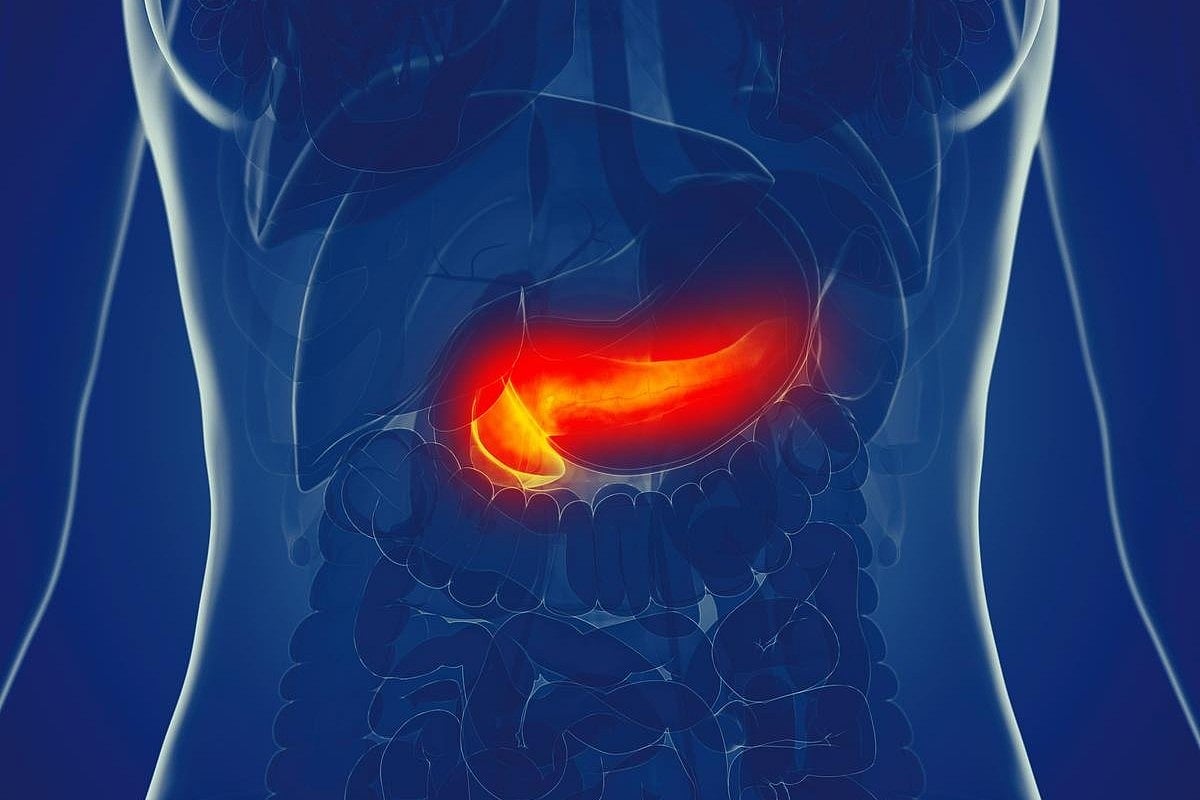 Recommendations Updated for Radiation Therapy in Pancreatic Cancer
 .jpg) Composite Biomarker Helps ID Early-Stage Pancreatic Ductal Adenocarcinoma
Composite Biomarker Helps ID Early-Stage Pancreatic Ductal Adenocarcinoma 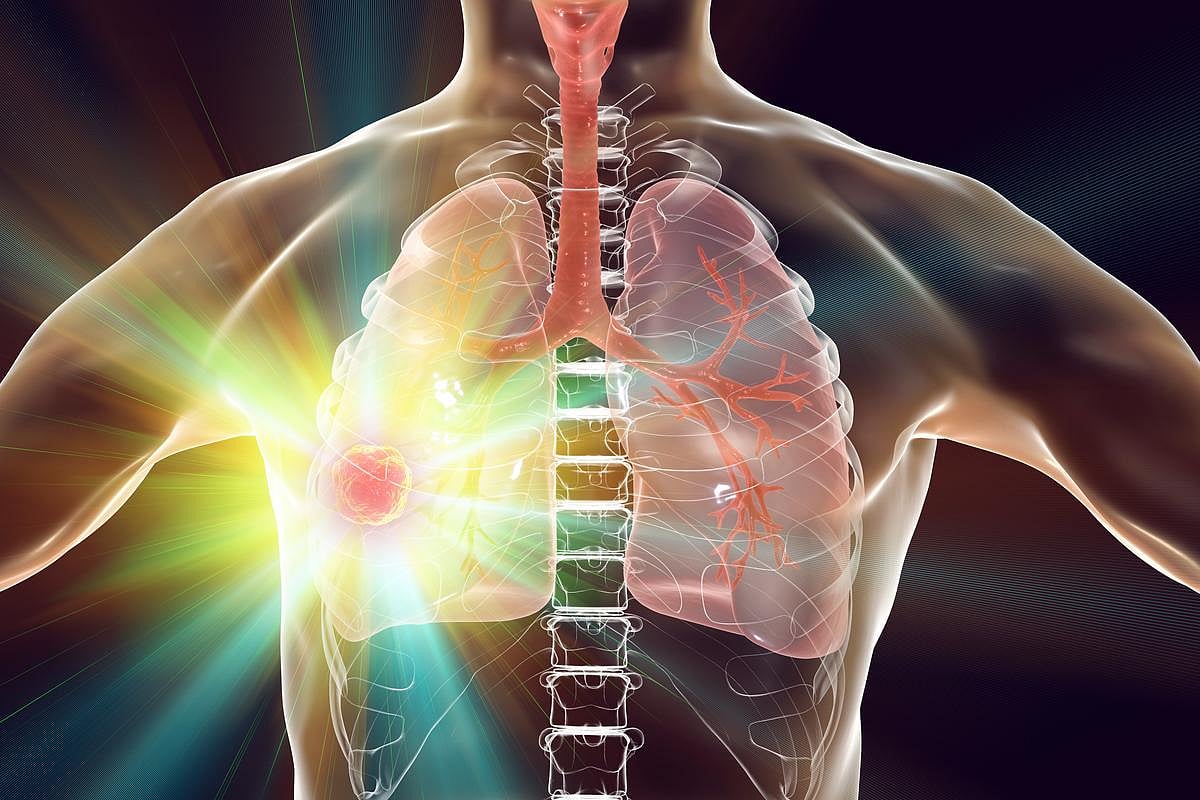 Thymic Radiation Linked to Worse Outcomes in Patients With NSCLC
  Aircrew Face Higher Odds of Radiation-Related Cancer Deaths
 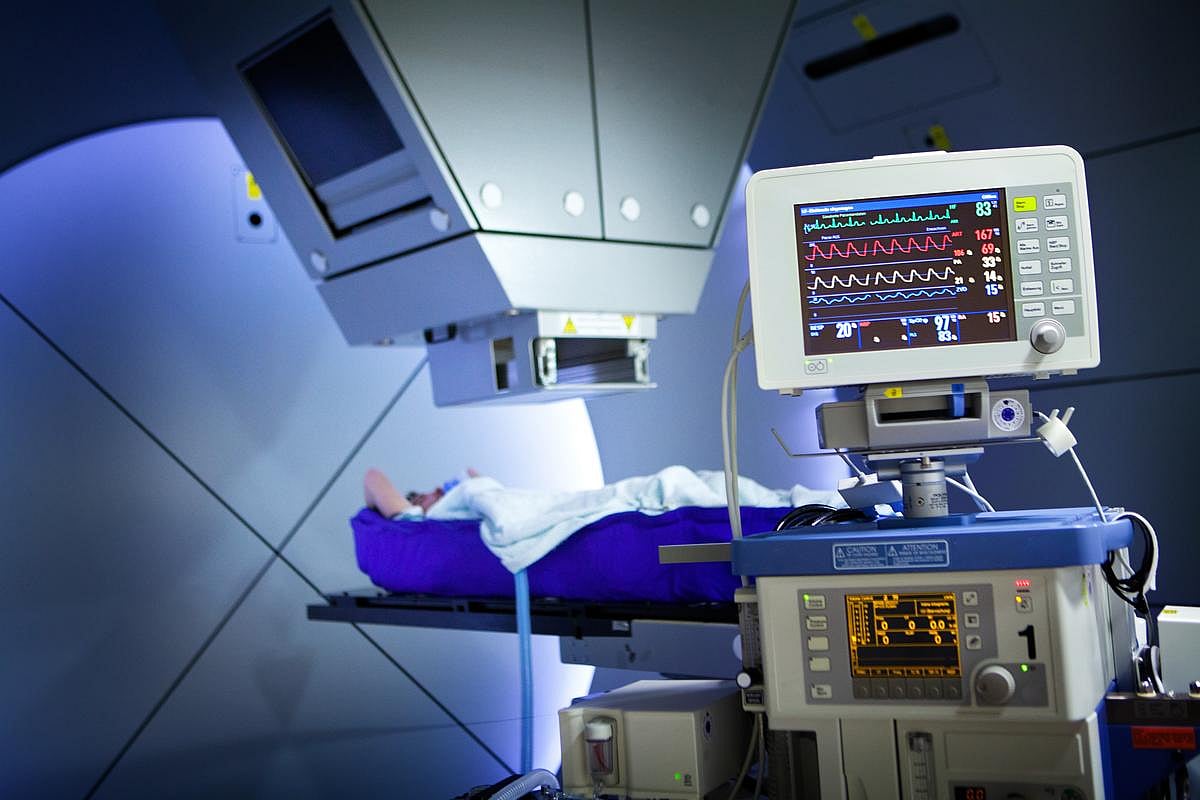 65.8 Percent of U.S. Counties Lack Radiation Oncology Practice Site




.jpg)