


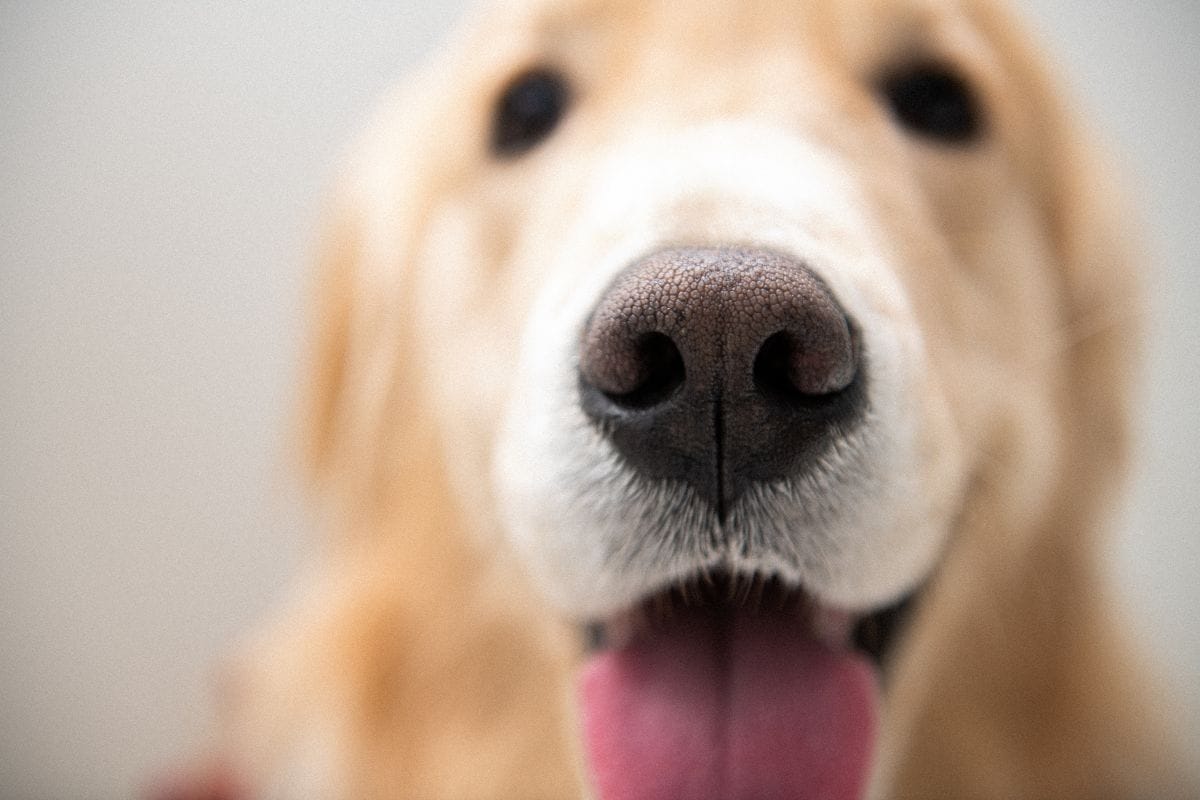
High sensitivity and specificity seen with two dogs undergoing 38 to 53 weeks of training on 205 samples
FRIDAY, July 18, 2025 (HealthDay News) — Dogs can differentiate between dry skin swab samples from people with Parkinson disease (PwP) and controls, according to a study published online July 14 in the Journal of Parkinson”s Disease.
Nicola Rooney, Ph.D., from the Bristol Veterinary School in the United Kingdom, and colleagues trained two dogs to distinguish between dry skin swabs obtained from PwP and controls. After 38 to 53 weeks of training on 205 samples, the dogs were tested in a double-blind trial using samples from 60 controls and 40 drug-naive PwP.
The researchers found that the dogs differentiated between PwP and control samples that they had not previously encountered with both high sensitivity (70 and 80 percent) and specificity (90 and 98 percent). For positive samples, agreement between the two dogs was higher than expected by chance.
“Identifying diagnostic biomarkers of PD, particularly those that may predict development or help diagnose disease earlier is the subject of much ongoing research,” Rooney said in a statement. “The dogs in this study achieved high sensitivity and specificity and showed there is an olfactory signature distinct to patients with the disease.”
 Age-, Joint-Specific Ultrasound Reference Values Set for Healthy Joints
  Retinal Imaging Can ID Atrial Fibrillation Years Before Diagnosis
  U.S. Adults May Not Understand Their Risk for Vascular Disease
  Screening + Online Cognitive Behavioral Therapy Program Aids Nurses" Mental Health
  2013 to 2024 Saw Decrease in Benzodiazepine Prescribing
  Childhood Cancer Survivors Often Have Mental Distress in Adulthood
  Air Pollution Tied to Higher Risk for Suicide
  Psychiatrists Only Agree 55 Percent of the Time on Diagnoses
.jpg)



.jpg)