


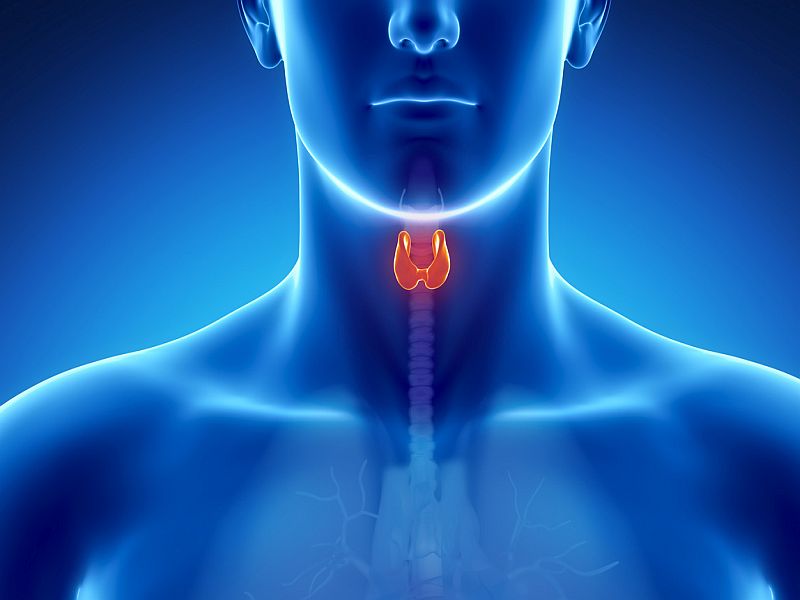
 Overtreatment more likely in younger, male, Hispanic or Asian patients, those with extensive lymph node surgery
FRIDAY, July 19, 2019 (HealthDay News) — One-fourth of patients receive unnecessary treatment with radioactive iodine after surgery for low-risk papillary thyroid cancer, according to a study published in the June issue of Surgical Oncology.
Ambria S. Moten, M.D., from Temple University Hospital in Philadelphia, and colleagues used the Surveillance, Epidemiology and End Results database to identify papillary thyroid cancer patients. Low-risk patients were defined as T1 without metastasis.
The researchers found that of the 32,229 identified cases, 53.6 percent were low-risk. Low-risk patients were older (mean age, 51.3 versus 48.5 years) and more often female (81.6 versus 71.7 percent), white (69.7 versus 62 percent), and insured (87.6 versus 85.6 percent). Nearly one-fourth of low-risk patients received radioactive iodine (RAI) ablation. Overtreatment with RAI was predicted by age <45 years (odds ratio [OR], 1.393), age 45 to 64 years (OR, 1.275), male sex (OR, 1.191), Hispanic (OR, 1.236) and Asian race (OR, 1.306), and extensive lymphadenectomy (OR, 1.243).
“Identification of groups at risk for overtreatment can help impact practice patterns and improve the effective utilization of healthcare resources,” the authors write.
Abstract/Full Text (subscription or payment may be required)
 Incidence Rates Increased From 2003 to 2017 for Six Cancer Types in 42 Countries
  Thresholds for Preop Serum Calcitonin Predict Lymph Node Metastasis in Thyroid Cancer
  Overdiagnosis of Thyroid Cancer Persists
  GLP-1 RAs Tied to Higher Thyroid Cancer Risk in First Year of Treatment
  Melanoma Risk Increased After Radioactive Iodine Treatment for Primary Thyroid Cancer
  GLP1 Receptor Agonist Use Does Not Seem to Increase Risk for Thyroid Cancer
.jpg)



