


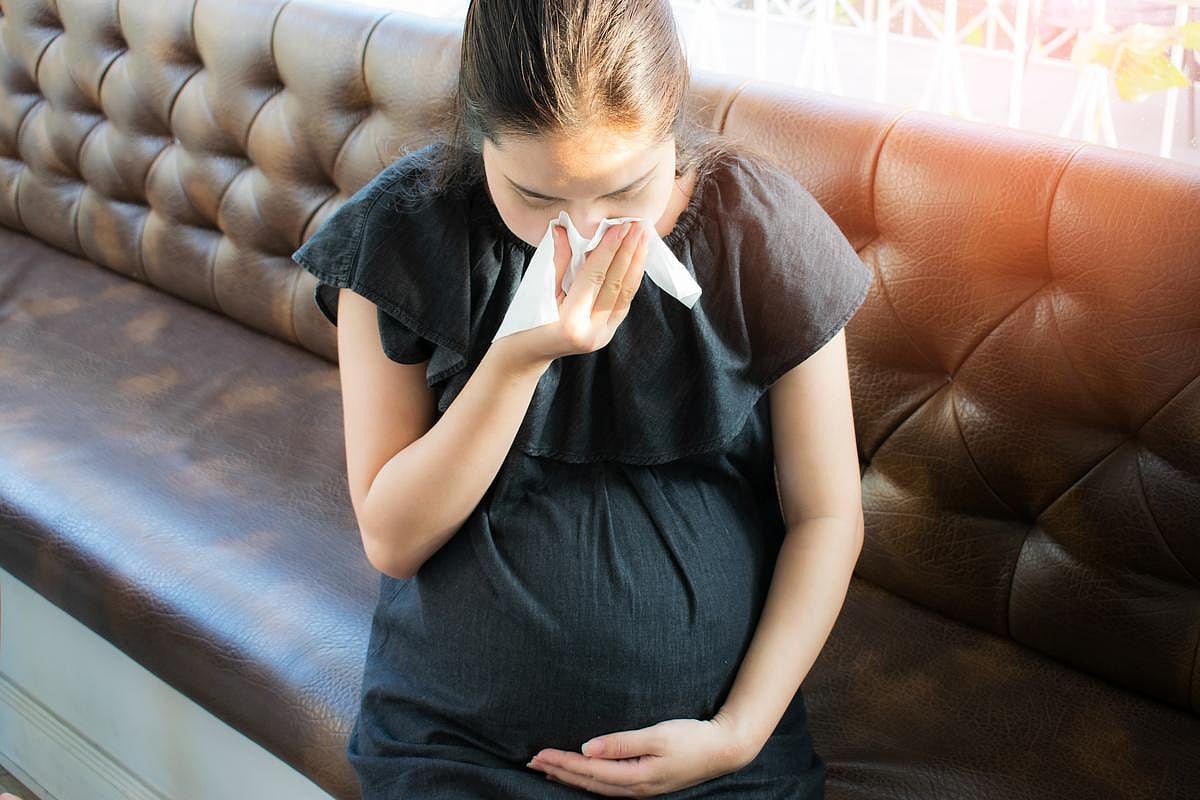
Increased odds seen for receiving neurodevelopmental diagnosis by 36 months, especially with third-trimester exposure, among male offspring
THURSDAY, Nov. 13, 2025 (HealthDay News) — Maternal severe acute respiratory syndrome coronavirus 2 (SARS-CoV-2) infection is associated with an increased risk for adverse neurodevelopmental diagnoses among offspring, according to a study published online Oct. 30 in Obstetrics & Gynecology.
Lydia L. Shook, M.D., from Massachusetts General Hospital in Boston, and colleagues conducted a retrospective cohort study of live births to individuals who delivered between March 1, 2020, and May 31, 2021, to examine the impact of maternal SARS-CoV-2 infection on any neurodevelopmental diagnosis up to 36 months after birth. A total of 18,124 mother-child pairs were included in the analyses.
The researchers found that 140 offspring among 861 individuals with SARS-CoV-2-exposed pregnancies (16.3 percent) received a neurodevelopmental diagnosis by 36 months compared with 1,680 of 17,263 unexposed offspring (9.7 percent; unadjusted odds ratio, 1.80; adjusted odds ratio, 1.29). The largest effects were seen in third-trimester exposures overall and among male offspring (adjusted odds ratios, 1.36 and 1.43, respectively) in sensitivity analyses.
“These findings highlight that COVID-19, like many other infections in pregnancy, may pose risks not only to the mother, but to fetal brain development,” co-senior author Andrea G. Edlow, M.D., from Massachusetts General Hospital, said in a statement. “They also support the importance of trying to prevent COVID-19 infection in pregnancy and are particularly relevant when public trust in vaccines — including the COVID-19 vaccine — is being eroded.”
Two authors disclosed ties to the biopharmaceutical and medical device industries.
Abstract/Full Text (subscription or payment may be required)
 Low Levels of Placental Growth Factor in Pregnancy Linked to Subsequent ADHD in Offspring
  Better Youth Fitness May Lower Risk for Depression in Adulthood
  Recommendations Issued for Use of Incretin-Based Meds in Pregnancy
  IBD Not Linked to Risk for Hypertensive Disorders of Pregnancy Overall
 .jpg) Pregnancy Complications Linked to Subsequent Risk for Cardiometabolic-Renal Conditions
Pregnancy Complications Linked to Subsequent Risk for Cardiometabolic-Renal Conditions  Isometric Exercise Training Three Times a Week Preserves Cardiovascular Benefits
  Serum 25(OH)D May Serve as Biomarker of Disease Activity in IBD
  Maternal Vitamin D Status Linked to Preterm Delivery



.jpg)
