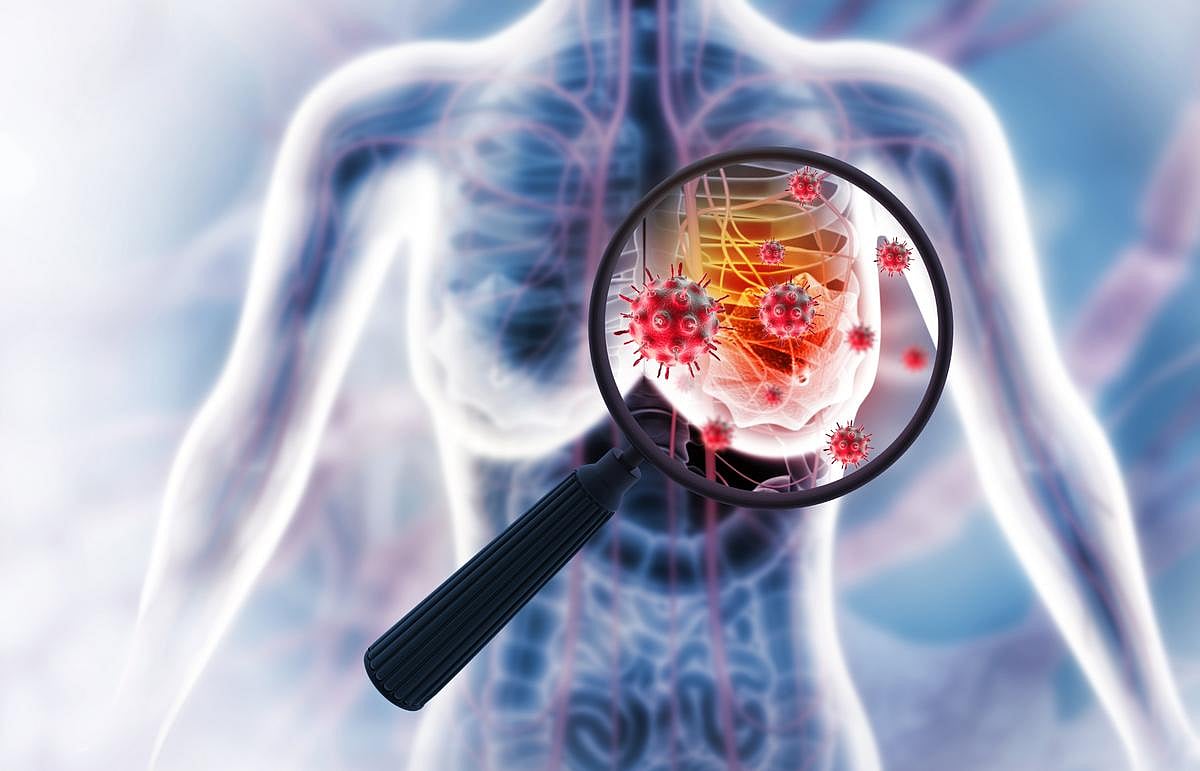
All patients used injection drugs; seven reported using black tar heroin and six practiced skin popping
WEDNESDAY, Jan. 9, 2019 (HealthDay News) — Among persons who inject drugs, nine cases of wound botulism were identified in Southern California from September 2017 to April 2018, according to research published in the Jan. 4 issue of the U.S. Centers for Disease Control and Prevention Morbidity and Mortality Weekly Report.
Corey M. Peak, Sc.D., from the CDC in Atlanta, and colleagues describe an outbreak of wound botulism reported in Southern California between September 2017 and April 2018.
The researchers identified nine patients (eight confirmed and one probable) with wound botulism by April 18, 2018; all were hospitalized and one died. All patients were injection drug users; seven reported using black tar heroin and six practiced subcutaneous injection (skin popping). Clinically compatible signs and symptoms were muscle weakness, difficulty swallowing, blurred vision, drooping eyelids, slurred speech, difficulty breathing, loss of facial expression, or descending paralysis. Heptavalent botulism antitoxin (BAT) was used to treat all patients. Progression of paralysis can be stopped by prompt diagnosis, administration of BAT, and provision of supportive care, according to the researchers.
“Clinicians caring for persons who inject drugs or persons who fail to respond to naloxone need to perform thorough searches for wounds, be alert for wound botulism, and inform patients of this potentially lethal consequence of injection drug use,” the authors write.
.jpg) Rates of Drug Use-Associated Infective Endocarditis Declined From 2020 to 2022
 Distinct Skin Microbiome Features Emerge Before Atopic Disease Onset in Infants
 H. Pylori Exposure May Contribute to Global Burden of Colorectal Cancer
 People Using Illicitly Sourced Fentanyl Face Worse Outcomes Than Medically Sourced Users
 Nonpharmacologic Therapy Cuts Opioid Use Disorder Risk With Low Back Pain
 Research Challenges Fusion for Lumbar Degenerative Spondylolisthesis
 Maternal Night-Shift Work Tied to Later Neurodevelopmental Issues in Offspring
 Ultrasound-Guided Hydrodissection Yields Improvements in Carpal Tunnel