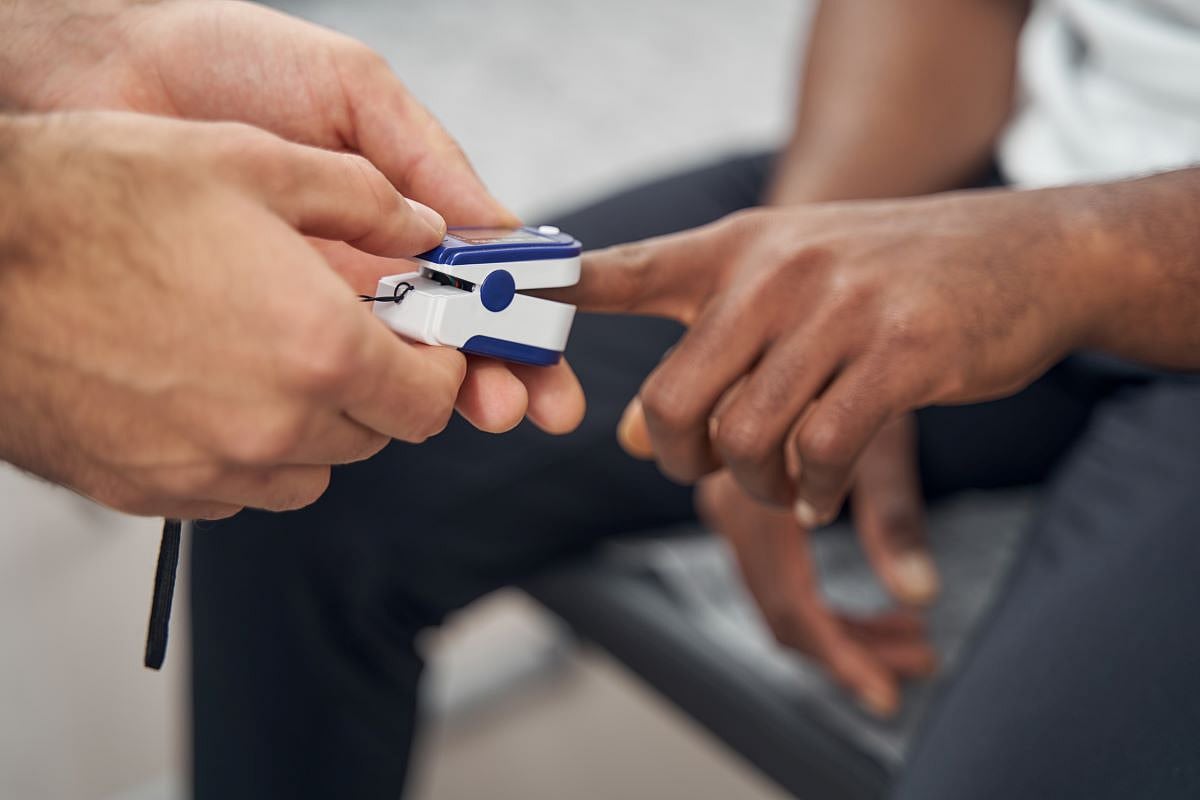
Wearable, smartphone-controlled, rechargeable device effective for reducing voiding frequency; is safe in overactive bladder
TUESDAY, April 2, 2024 (HealthDay News) — For patients with overactive bladder (OAB) symptoms, a wearable, smartphone-controlled, rechargeable transcutaneous tibial nerve stimulation (TTNS) device is efficacious and safe, according to a study published online March 11 in BJU International.
Limin Liao, M.D., Ph.D., from the China Rehabilitation Science Institute in Beijing, and colleagues conducted a prospective, randomized clinical trial involving eligible patients with OAB symptoms who were randomly assigned to a TTNS or sham group.
The researchers found that the mean change of voiding frequency/24 hours at four weeks was −3.5 and −0.6 in the stimulation and sham groups, respectively, in the full analysis set. The results were similar in the per-protocol set (−3.5 versus −0.4, respectively). Micturition volume/void significantly improved at four weeks in both the full analysis set and per-protocol set. The improvement in patient perception of bladder condition was almost significant in the full analysis set and was significant in the per-protocol set. The American Urological Association Symptom Index Quality of Life Score improved significantly in both groups in the full analysis and per-protocol sets; no significant differences were seen in urgency score/void, nocturia episodes/day, or overactive bladder symptom score. There were no reports of device-related serious adverse events.
“TTNS using the novel, wearable, smartphone-controlled, rechargeable, and ambulatory TTNS device is effective and safe for treating OAB,” the authors write. “This approach could be a new potential home-based treatment modality.”
Abstract/Full Text (subscription or payment may be required)
 Self-Led, Digital Intervention Lowers Anxiety During Pregnancy
 PFOA and PFOS Linked to Increased Risk for ER-Negative Breast Cancer
 Healthy Sleep May Protect Brain Health From Cardiometabolic Disease Risk Factors
 Air Pollution Exposure Tied to Atopic Dermatitis in Children
 Lower Dietary Diversity in First Year Linked to Atopic Dermatitis
 Distinct Skin Microbiome Features Emerge Before Atopic Disease Onset in Infants
 Risk for Herpes Zoster Elevated for Individuals With Atopic Dermatitis
 Early Respiratory Infections Linked to Atopic Dermatitis Diagnosis