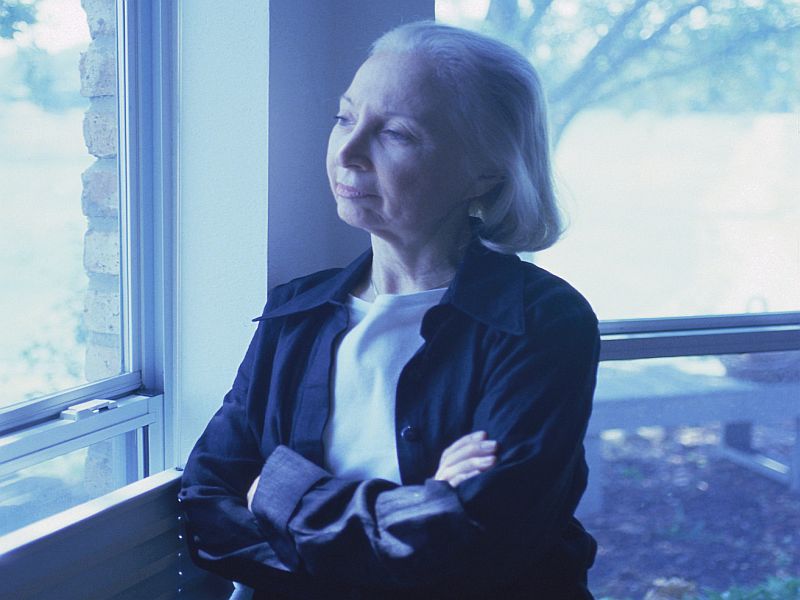
 Authors say more awareness needed that loneliness can adversely impact health, well-being
MONDAY, March 4, 2019 (HealthDay News) — Many older adults, especially those with health issues, report feeling lonely and isolated, according to the results of the National Poll on Healthy Aging, published on March 4.
The online survey was conducted by the University of Michigan Institute for Healthcare Policy and Innovation and was sponsored by AARP and Michigan Medicine. In total, a nationally representative sample of 2,051 adults aged 50 to 80 years participated in the October 2018 survey.
The pollsters found that one in four older adults reported feeling isolated from other people at least some of the time and one in three reported a lack of regular companionship. Furthermore, one in four respondents reported social contact with family, friends, or neighbors only once a week or less. Feelings of isolation were more often reported by individuals who rated their physical health, mental health, or hearing as either fair or poor. In contrast, less isolation was reported by those who said they ate healthy diets, exercised, got enough sleep, and did not use tobacco.
“Encouraging and supporting meaningful social connections and more frequent interactions — through activities such as volunteerism, participation in community or religious groups, or home visiting programs — may help mitigate loneliness and its associated health challenges,” the survey authors write.
 2013 to 2024 Saw Decrease in Benzodiazepine Prescribing
  Functional Decline Precedes Cardiovascular Disease Events by Many Years
  Childhood Cancer Survivors Often Have Mental Distress in Adulthood
  Midlife Employment Instability Linked to Later Cognitive Deficits
  Socioeconomic Inequalities Tied to Functional Aging
  Older Adults Limit Movements With Rising Temperatures
  Ultra-Endurance Running Accelerates Red Blood Cell Aging
  Shingles Vaccination May Promote Healthy Aging


.jpg)