


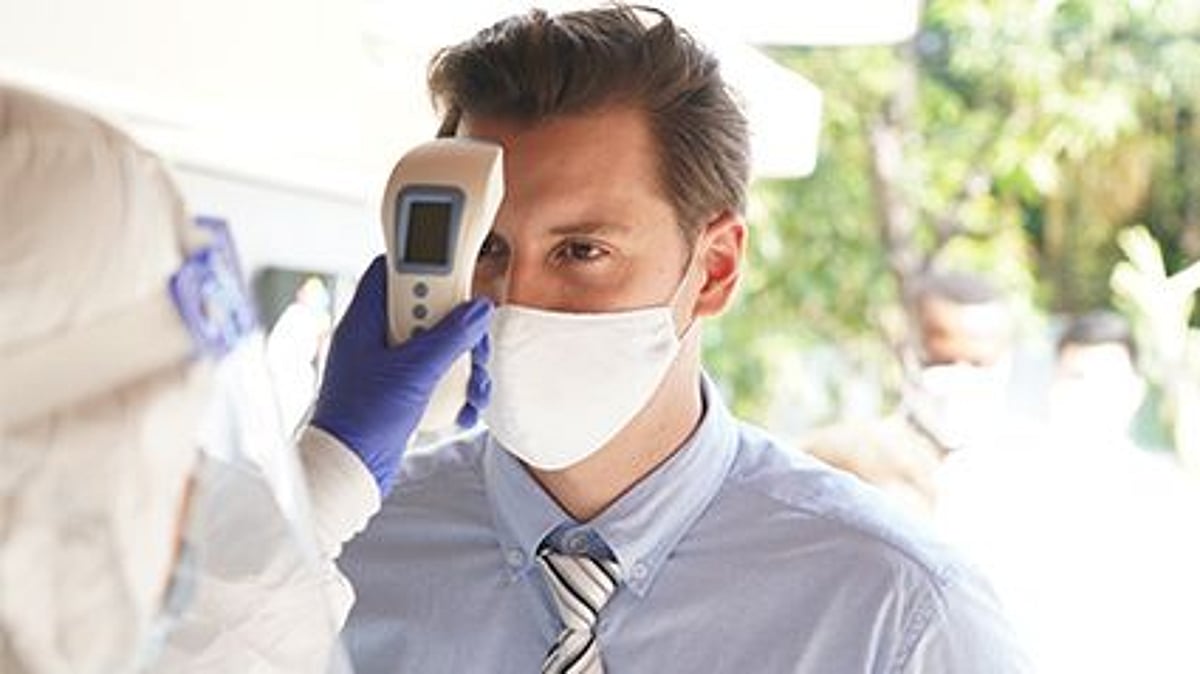
More than half report being hesitant going to doctor or hospital when COVID-19 cases are high
FRIDAY, Jan. 22, 2021 (HealthDay News) — Two-thirds of Americans are concerned about going to medical appointments even for an emergency when COVID-19 rates are high in their area, according to the results of a survey released Jan. 12 by the Orlando Health Heart & Vascular Institute.
An online survey of 2,043 U.S. adults was conducted by The Harris Poll on behalf of the Orlando Health Heart & Vascular Institute from Dec. 4 to 7, 2020.
According to the results of the survey, 67 percent would be hesitant to attend routine, in-person appointments, while 57 percent reported being hesitant to go to the hospital even for an emergency. Nearly half (49 percent) of Americans will not reschedule missed in-person medical appointments until COVID-19 concerns are reduced in their area, and the same number (49 percent) worry their health will suffer because of in-person appointments missed due to COVID-19.
“I understand their hesitation,” Steven Hoff, M.D., a cardiothoracic surgeon at the Orlando Health Heart & Vascular Institute, said in a statement. “But there’s no question, across diagnoses, whether for chronic or acute conditions, the later in the disease process that we see people and can intervene, the worse their outcomes.”
 ~16 Percent of COVID Cases Develop Postacute Sequelae of SARS-CoV-2
  Parts of the World Seeing New COVID-19 Variant
  HHS, NIH Unveil Vaccine Initiative to Protect Against Future Pandemics
  Hospital-Onset SARS-CoV-2 Infection During Omicron Linked to Morbidity
  Staffing, Scheduling, and Wage Changes Could Reattract Nurses Back to Hospitals
  Skilled Nursing Facility Capacity Declined Between 2019 and 2024
  Physical Design of Critical Care Units Influences Nursing Culture
  Low Capability Pediatric Hospitals More Than Doubled From 2003 to 2022




.jpg)