


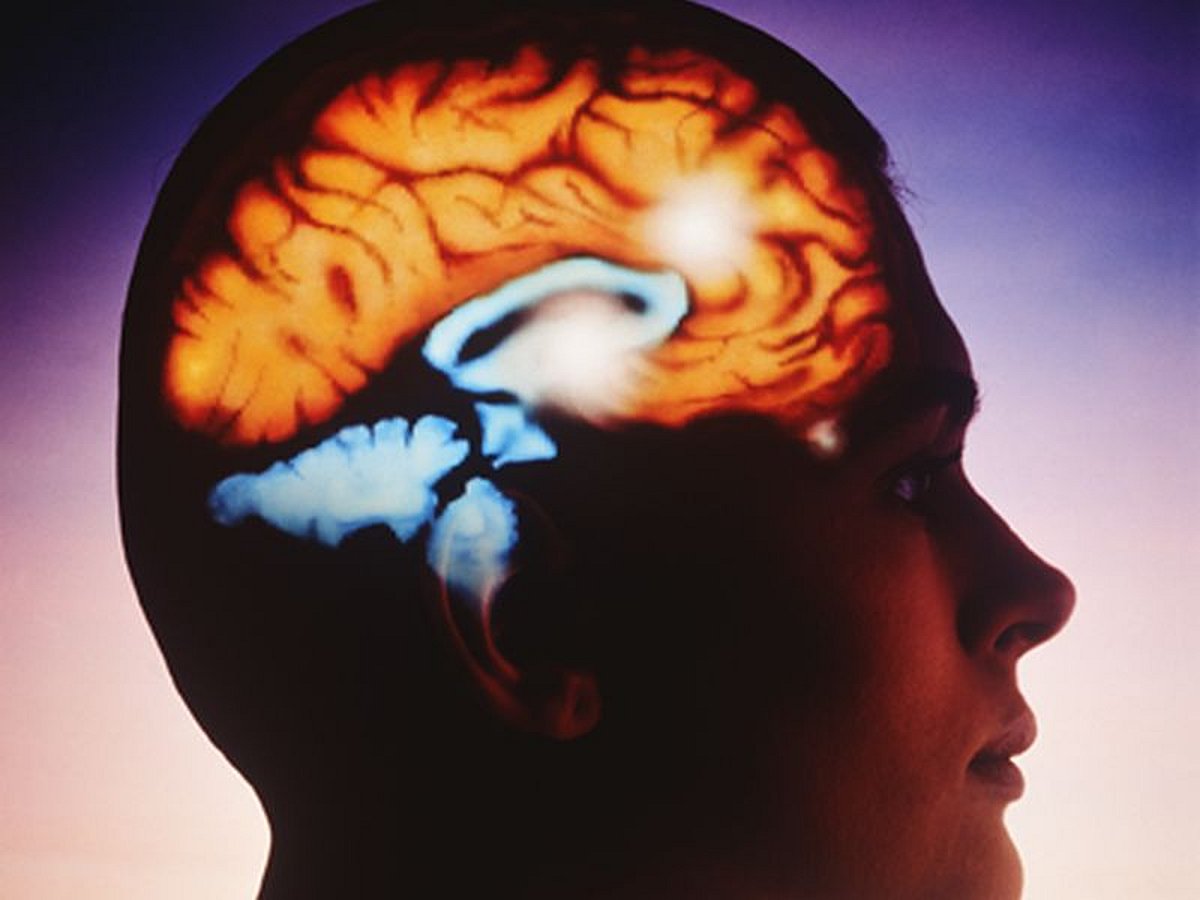
 Increased diffusivity seen in deep gray matter in pediatric acute-onset neuropsychiatric syndrome
THURSDAY, May 7, 2020 (HealthDay News) — Children with pediatric acute-onset neuropsychiatric syndrome (PANS) have cerebral microstructural differences in multiple brain structures, including the deep gray matter structures, according to a study published online May 4 in JAMA Network Open.
Jimmy Zheng, from the Stanford University School of Medicine in California, and colleagues conducted a case-control study focusing on the evaluation and treatment of children with PANS. A total of 60 consecutive patients who underwent diffusion-weighted magnetic resonance imaging (MRI) before immunomodulation from Sept. 3, 2012, to March 30, 2018, were reviewed for study inclusion. After exclusion of patients, 34 patients with PANS before treatment initiation were compared to 64 pediatric control participants.
The researchers identified a statistically significant difference in MRI parameters for patients with PANS and controls. Compared with controls, in patients, all assessed brain regions had statistically significantly increased median diffusivity. The most profound increases in diffusivity were seen for the deep gray matter (thalamus, basal ganglia, and amygdala), consistent with clinical symptoms of obsessions, compulsions, emotional dysregulation, and sleep disturbances. With respect to volume and cerebral blood flow, there were no statistically significant differences.
“The hypothesis that neuroinflammation is the underlying cause of acute-onset obsessive-compulsive disorder in PANS may explain the MRI diffusion differences in multiple brain structures observed herein, particularly the deep gray matter structures, such as the thalamus, basal ganglia, and amygdala,” the authors write.
 Lower Vertebral Bone Mineral Density Linked to Cognitive Decline
 .jpg) Time-Restricted Eating Shows Possible Benefits for Patients With Huntington Disease
Time-Restricted Eating Shows Possible Benefits for Patients With Huntington Disease  Past Blast Exposure Tied to Long-Term Chronic Medical Diagnoses in Veterans
  Women With Cerebral Palsy Receive Less Preventive Gynecological Care
  People With ADHD Experience 50 Percent More GI Symptoms
  1 in 4 Former NFL Players Had CTE at Death in 2016 to 2021
  Many With Atypical Alzheimer Disease Do Not Qualify for Anti-Amyloid Therapy
  Frequent TV Watching Linked to Smaller Brain Volume



.jpg)
