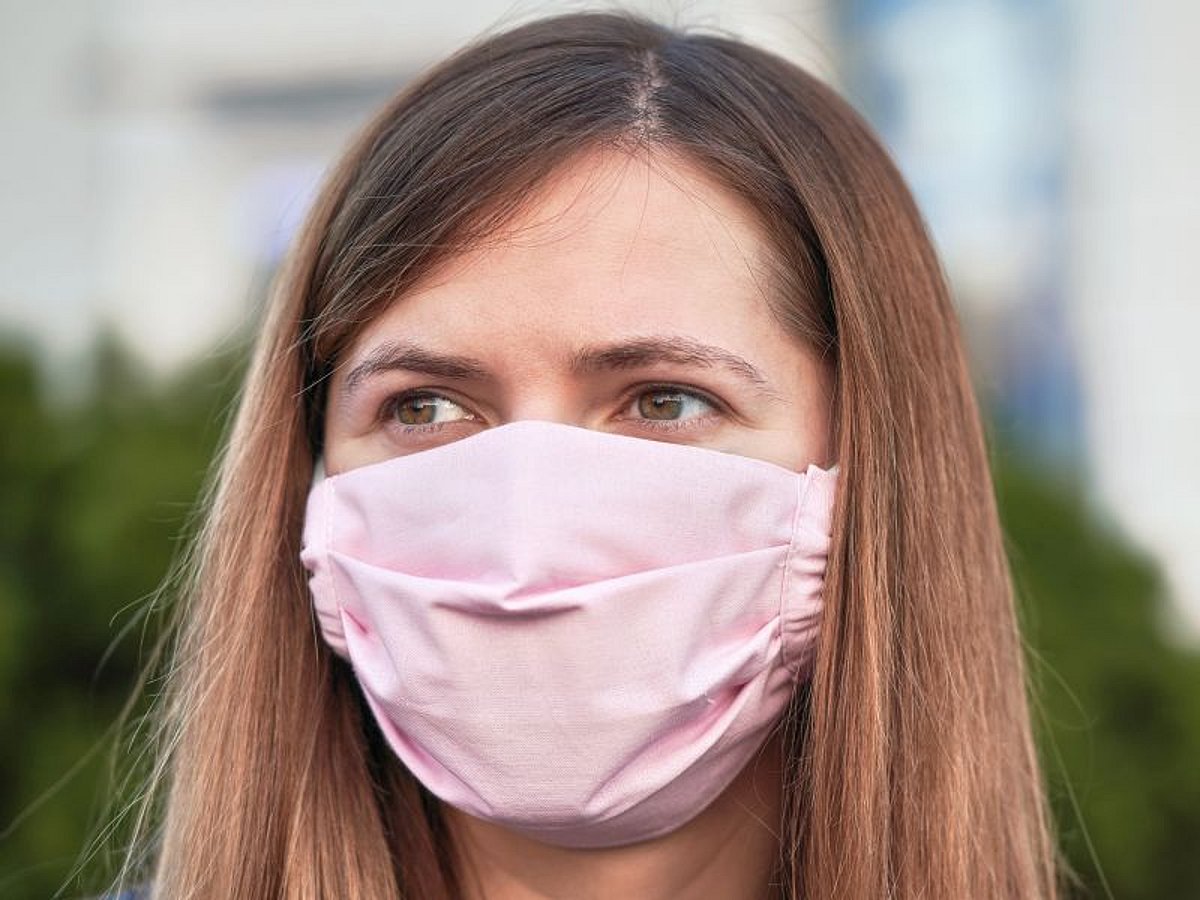
 Odds of transmission reduced with physical distancing ≥1 m, face masks, eye protection
WEDNESDAY, June 3, 2020 (HealthDay News) — Physical distancing of 1 m or more, face mask use, and eye protection are all associated with reduced odds of severe acute respiratory syndrome coronavirus 2 (SARS-CoV-2) transmission, according to a review published online June 1 in The Lancet.
Derek K. Chu, M.D., from McMaster University in Hamilton, Ontario, Canada, and colleagues conducted a systematic review and meta-analysis to examine the optimum distance for avoiding person-to-person virus transmission and examine use of face masks and eye protection to prevent transmission of SARS-CoV-2 and the betacoronaviruses that cause SARS and Middle East respiratory syndrome. A total of 172 observational studies across 16 countries and six continents were included, with 44 relevant comparative studies in health care and non-health care settings (25,697 patients).
The researchers found that compared with a distance of less than 1 m, physical distancing of 1 m or more correlated with lower virus transmission (pooled adjusted odds ratio, 0.18; risk difference, −10.2 percent); as distance was lengthened, protection increased (change in relative risk, 2.02 per meter). A large reduction in risk for infection could result from face mask use (adjusted odds ratio, 0.15; risk difference, −14.3 percent), with stronger associations for N95 or similar respirators versus disposable masks or similar. Less infection was also seen with eye protection (adjusted odds ratio, 0.22; risk difference, −10.6 percent).
“Governments and the public health community can use our results to give clear advice for community settings and health care workers on these protective measures to reduce infection risk,” a coauthor said in a statement.
 ~16 Percent of COVID Cases Develop Postacute Sequelae of SARS-CoV-2
  Parts of the World Seeing New COVID-19 Variant
  HHS, NIH Unveil Vaccine Initiative to Protect Against Future Pandemics
  Hospital-Onset SARS-CoV-2 Infection During Omicron Linked to Morbidity
  Staffing, Scheduling, and Wage Changes Could Reattract Nurses Back to Hospitals
  Skilled Nursing Facility Capacity Declined Between 2019 and 2024
  Physical Design of Critical Care Units Influences Nursing Culture
  Low Capability Pediatric Hospitals More Than Doubled From 2003 to 2022

.jpg)