In 2018, Essure maker Bayer pulled the device from the U.S. market due to concerns about side effects
THURSDAY, July 9, 2020 (HealthDay News) — The permanent birth control device Essure is associated with higher rates of chronic lower abdominal or pelvic pain and abnormal uterine bleeding compared with tubal ligation, according to interim results of a postmarket study ordered by the U.S. Food and Drug Administration.
The researchers compared Essure and tubal ligation among more than 1,100 women across the United States and found that rates of chronic lower abdominal or pelvic pain were just over 9 percent in the Essure group and 4.5 percent in the tubal ligation group, and rates of abnormal uterine bleeding were 16.3 percent in the Essure group and 10.2 percent in the tubal ligation group, CNN reported.
The Essure group had higher rates of gynecologic operations — including surgery to remove the device — than the tubal ligation group, while pregnancy rates were similar in the two groups, according to a statement from Terri Cornelison, M.D., director of the FDA Health of Women Program.
In 2018, Essure maker Bayer pulled the device from the U.S. market due to concerns about side effects. The FDA told Bayer to extend a postmarket surveillance study on Essure from three to five years, CNN reported. The study is ongoing, and patients are still completing one-year follow-up visits, the FDA said.
“As the FDA itself notes: ‘This study is ongoing and the results are interim. Final analyses of end points will not be completed until the study concludes’ in 2025. It is therefore too early to draw any conclusions,” Bayer said in a statement, CNN reported. “The results of several large, real-world observational studies comparing patients with Essure to patients who have had tubal ligations consistently show that Essure’s safety profile is similar to that of tubal ligation.”
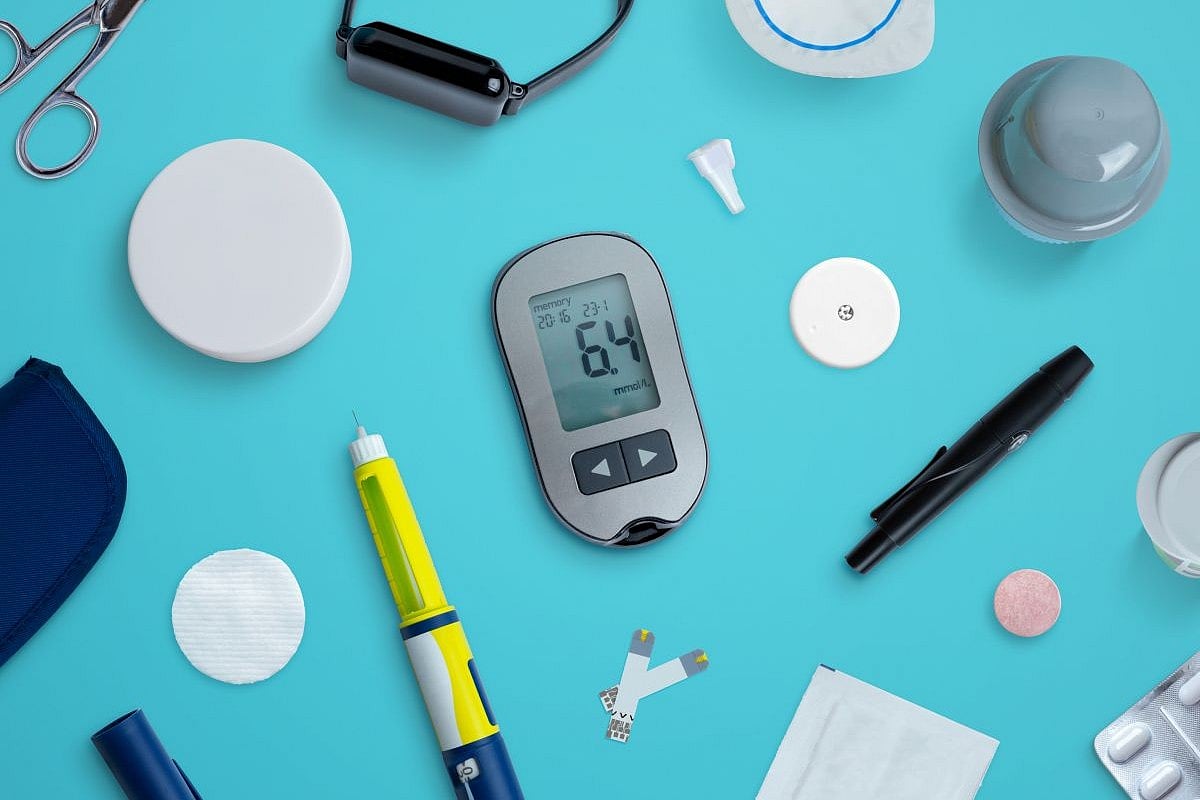 Study IDs Risk Factors for Ketoacidosis in Adults With T2D Receiving SGLT2 Inhibitors
  GLP-1 Receptor Agonists Tied to Increased Risk for Alopecia
  Exposure to Ovarian Hormones Linked to Larger Volumes in Brain Regions
 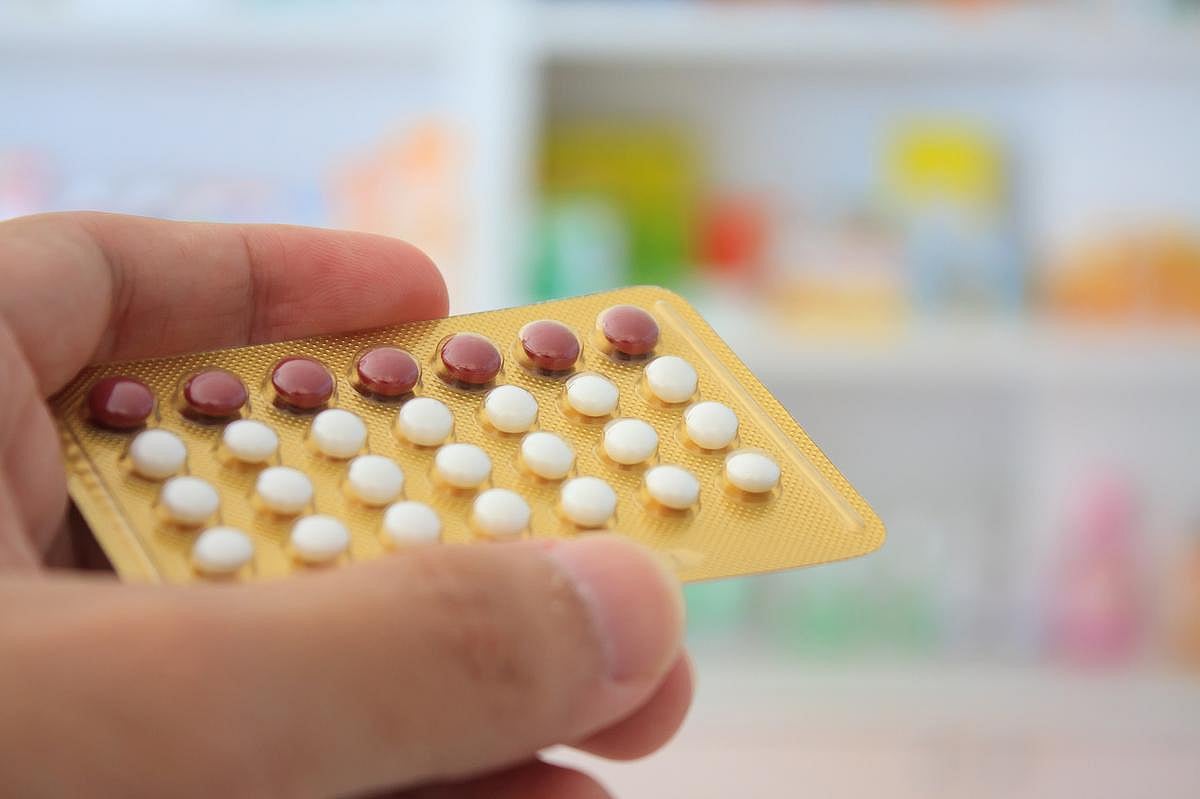 Active Combined Oral Contraceptive Pills Linked to Emotional Eating
  Workplace Psychological Stress Linked to Erectile Function in Young Men
  Adverse Pathological Features Do Not Predict Benefit of Hormone Therapy in Prostate Cancer
  AMH Predicts Benefit of Chemo + Endocrine Therapy in Under 55s With Breast Cancer
  Body Fat Percentage May Be Better Indicator of Men"s Reproductive Health Than BMI