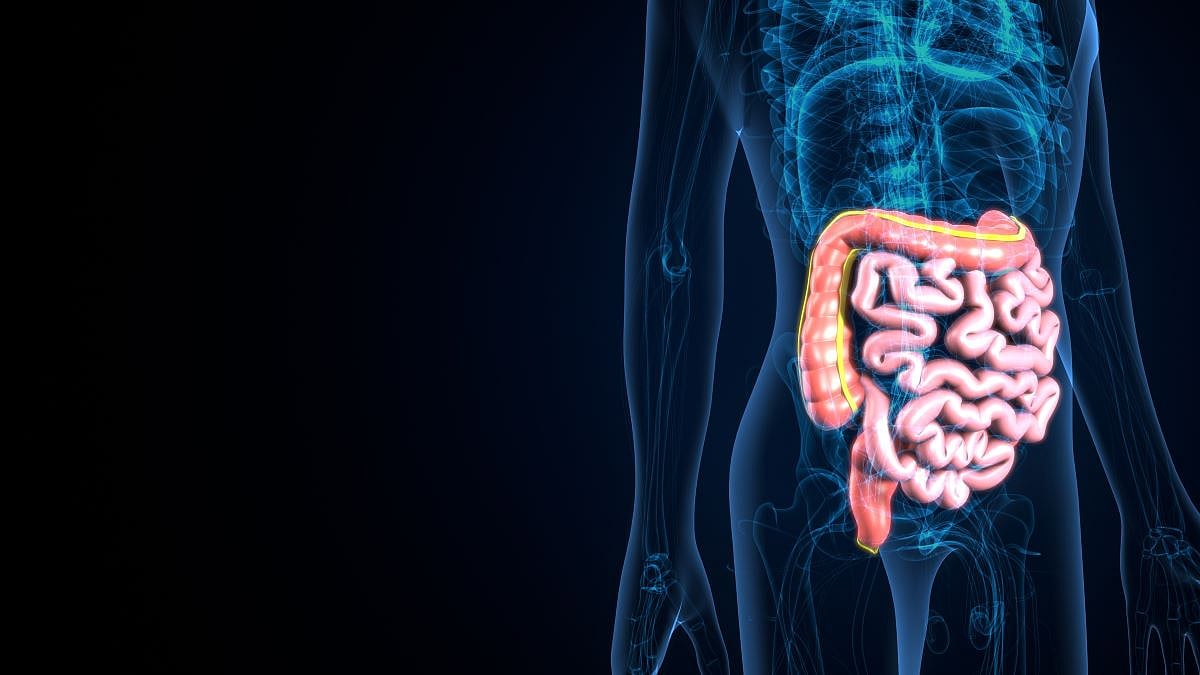
Remission rates greater in younger participants and those with short diabetes duration, higher HOMA percentage B
WEDNESDAY, Dec. 9, 2020 (HealthDay News) — More than half of severely obese patients undergoing Roux-en-Y gastric bypass (RYGB) have diabetes remission, according to a study published online Dec. 3 in the Journal of Clinical Endocrinology & Metabolism.
Jonathan Q. Purnell, M.D., from the Oregon Health & Science University in Portland, and colleagues compared diabetes prevalence and remission rates during seven years of follow-up after RYGB and laparoscopic gastric banding (LAGB) in an observational cohort of 2,256 adults with severe obesity at 10 U.S. hospitals.
The researchers found that diabetes remission occurred in 57 percent (46 percent complete; 11 percent partial) and in 22.5 percent (16.9 percent complete; 5.6 percent partial) after RYGB and LAGB, respectively. Remission was greater in younger participants and those with shorter diabetes duration, higher C-peptide levels, higher homeostatic model assessment (HOMA) percentage B (a measure of ß-cell activity), and lower insulin usage at baseline and with greater postsurgical weight loss following both procedures. Reduced HOMA insulin resistance was associated with a greater likelihood of diabetes remission after LAGB, while after RYGB, increased HOMA percentage B predicted remission. Diabetes remission remained nearly fourfold higher for RYGB versus LAGB after controlling for weight lost.
“Our large study confirms the importance of weight loss on inducing diabetes remission, but also finds gastric bypass has benefits independent of weight,” Purnell said in a statement. “If we can understand what these benefits are, it could lead to new diabetes treatments.”
One author disclosed financial ties to a medical device company; a second author disclosed ties to a pharmaceutical company.
Abstract/Full Text (subscription or payment may be required)
 Very Low-Carb Diet Shows Greater Cardiometabolic Benefits Than Other Diets
 .jpg) Time-Restricted Eating May Help Patients With Type 1 Diabetes
Time-Restricted Eating May Help Patients With Type 1 Diabetes  Calorie Restriction and Mediterranean-Style Diet Yield Similar Weight Loss
  Strength Training May Cut GDM Risk in Pregnant Women With Overweight, Obesity
  Combo of Step Count and Step Pace Tied to Lower Risk for Early Death
  Aerobic Training, Behavioral Interventions Both Clinically Improve Asthma Control
  Smartwatches Significantly Overestimate How Many Calories Are Burned
  Evidence Insufficient to Support Routine Lumbar Support Use for Chronic Low Back Pain