Risk for pregnancy loss increases for men with one, two, three or more versus no components of metabolic syndrome
FRIDAY, Dec. 18, 2020 (HealthDay News) — Preconception paternal health is associated with pregnancy loss, according to a study published online Dec. 18 in Human Reproduction.
Alex M. Kasman, M.D., from the Stanford University School of Medicine in California, and colleagues conducted a retrospective cohort study of a U.S. insurance claims database from 2009 to 2016, including 958,804 pregnancies, to examine the association between preconception paternal health and perinatal outcomes.
The researchers found that 22 percent of all pregnancies ended in a loss. The risk for pregnancy loss was increased with increasing paternal comorbidity after adjustment for maternal factors; for example, the risk for pregnancy loss increased for men with one, two, and three or more components compared with no components of metabolic syndrome (relative risks, 1.10, 1.15, and 1.19, respectively). The risk for siring a pregnancy ending in spontaneous abortion, stillbirth, or ectopic pregnancy was increased for less healthy men. For other measures of paternal health, similar patterns were observed. A similar pattern of increasing pregnancy loss with an increasing number of components of metabolic syndrome was seen when stratifying by maternal age as well as maternal health. A weak but statistically significant association was seen between the timing of pregnancy loss and paternal health.
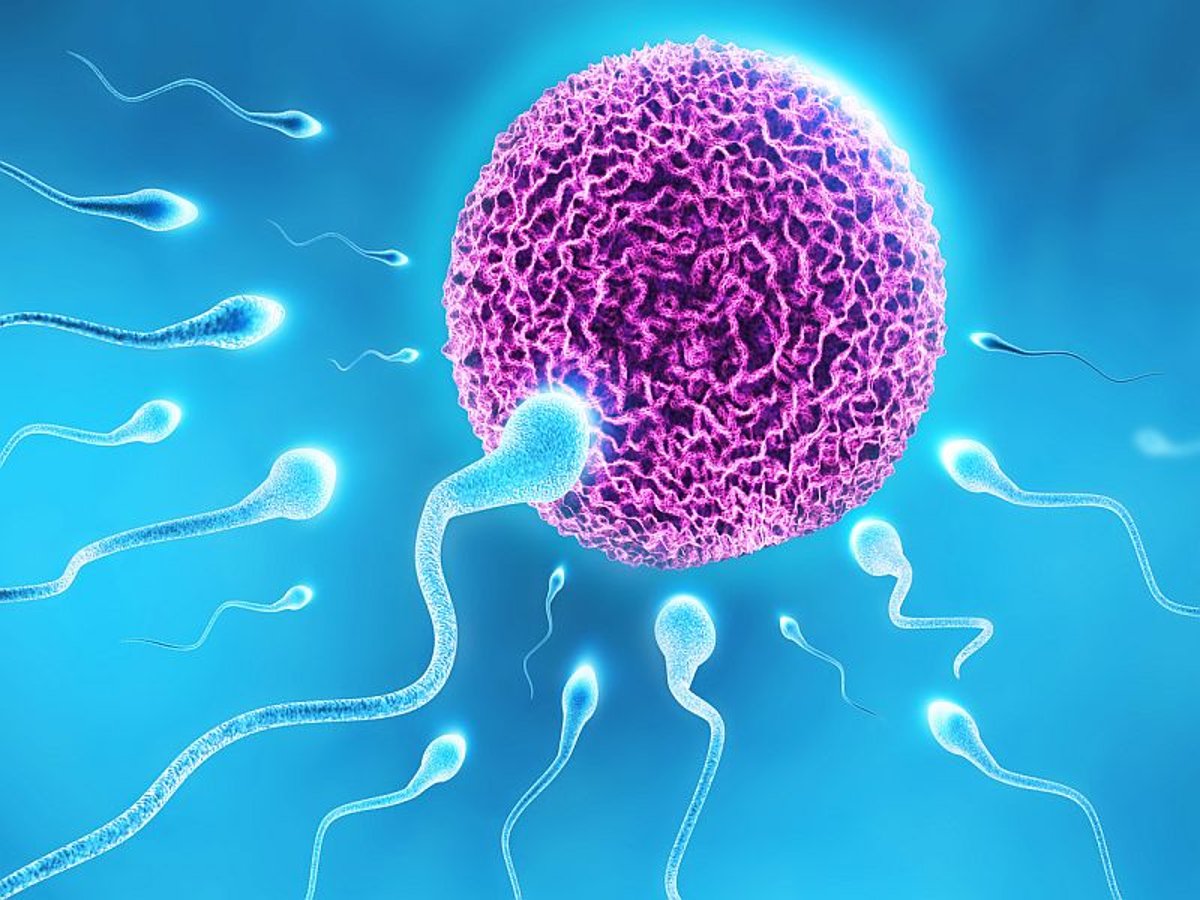
“We hypothesize that the father’s health and lifestyle could adversely affect the genetic make-up and expression in the sperm, and that this may alter how well the placenta functions,” a coauthor said in a statement.
One author disclosed financial ties to the biopharmaceutical industry.
 High Intake of Eggs, Peanuts in Pregnancy Does Not Lower Allergy Risk
  Altered Markers of Ovarian Development Seen With Fetal Acetaminophen Exposure
 .jpg) Pregnancy Complications Rare for Women Receiving CAR T-Cell Therapy
Pregnancy Complications Rare for Women Receiving CAR T-Cell Therapy  Higher Parental Vitamin B12 Tied to Lower Prevalence of Birth Defects
  Oral Vitamin C Active in Clonal Cytopenia of Undetermined Significance
  Paternal Exposure to Valproate Not Linked to Offspring Neurodevelopmental Disorders
  Dose-Dependent Link Seen for Clomiphene Citrate, Adverse Perinatal Outcomes
  Effect of Preparation Techniques Before Embryo Transfer Appears to Be Limited