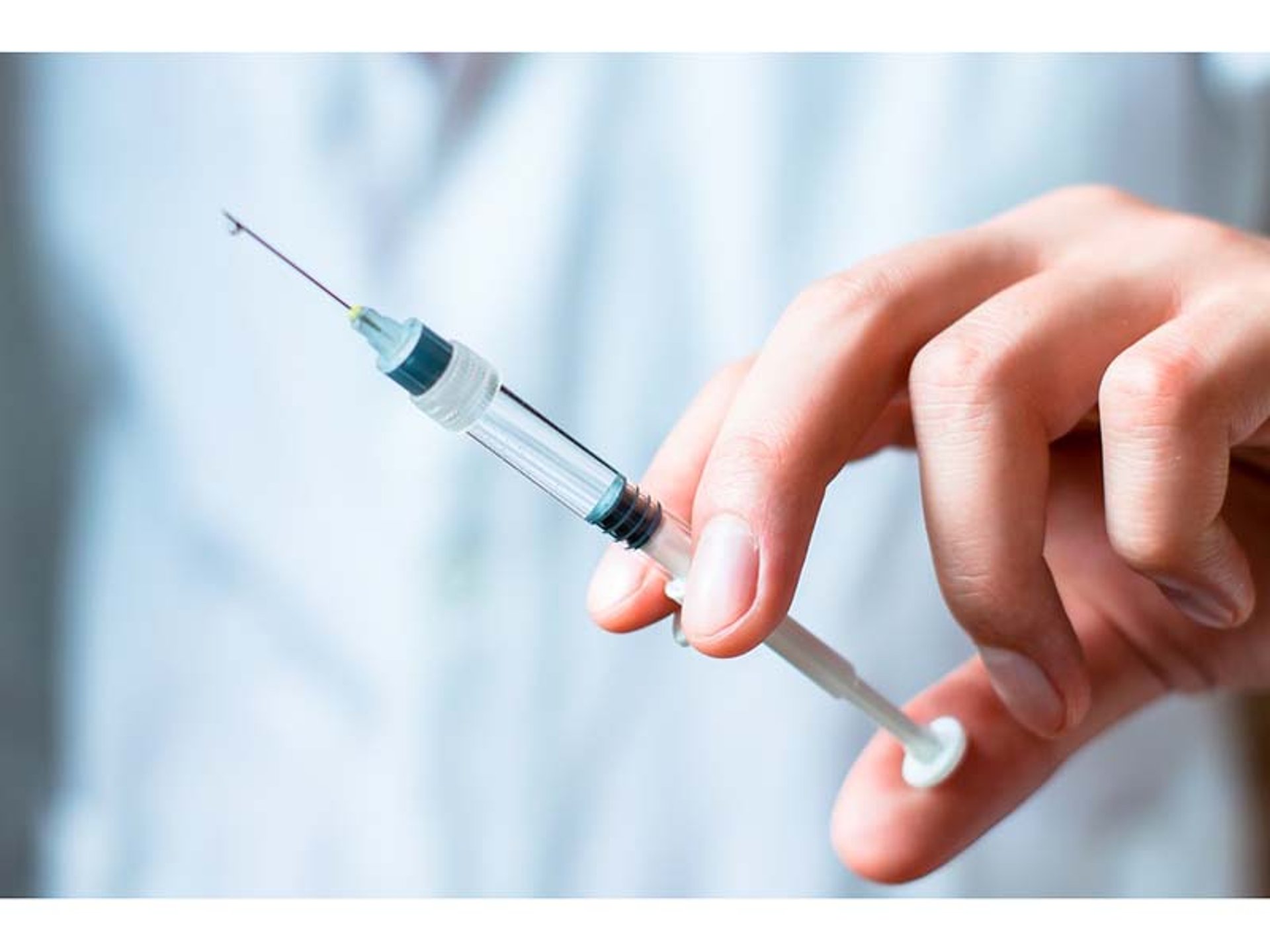
Study among health care workers shows reductions in SARS-CoV-2 infection rates one to 14, 15 to 28 days after first dose of the BNT162b2 COVID-19 vaccine
MONDAY, Feb. 22, 2021 (HealthDay News) — Substantial reductions in severe acute respiratory syndrome coronavirus 2 (SARS-CoV-2) and symptomatic COVID-19 have been reported following administration of one dose of the BNT162b2 COVID-19 vaccine, according to a research letter published online Feb. 18 in The Lancet.
Sharon Amit, from The Chaim Sheba Medical Center in Ramat-Gan, Israel, and colleagues assessed vaccine-associated rate reductions in SARS-CoV-2 infection and COVID-19 rates in a retrospective cohort involving 9,109 vaccine-eligible health care workers (HCWs).
Overall, 7,214 (79 percent) and 6,037 (66 percent) had received their first and second doses, respectively, by Jan. 24, 2021. The researchers identified 170 SARS-CoV-2 infections between Dec. 19, 2020, and Jan. 24, 2021, for which 99 HCWs reported symptoms and were designated COVID-19 cases. Of the HCWs who became infected, 52 percent were unvaccinated and 46 and 2 percent tested positive after the first and second dose, respectively. The SARS-CoV-2 infection rate was 7.4 per 10,000 person-days among unvaccinated HCWs compared with 5.5 and 3.0 per 10,000 person-days on days 1 to 14 and 15 to 28 after the first vaccine dose, respectively, with adjusted rate reductions of 30 and 75 percent, respectively. The symptomatic COVID-19 rate was 5.0 per 10,000 person-days in unvaccinated HCWs compared with 2.8 and 1.2 per 10,000 person-days on days 1 to 14 and 15 to 28 after the first dose, respectively; adjusted rate reductions were 47 and 85 percent, respectively.
“Early reductions of COVID-19 rates provide support of delaying the second dose in countries facing vaccine shortages and scarce resources, so as to allow higher population coverage with a single dose,” the authors write.
 ~16 Percent of COVID Cases Develop Postacute Sequelae of SARS-CoV-2
  Parts of the World Seeing New COVID-19 Variant
  HHS, NIH Unveil Vaccine Initiative to Protect Against Future Pandemics
  Hospital-Onset SARS-CoV-2 Infection During Omicron Linked to Morbidity
  Staffing, Scheduling, and Wage Changes Could Reattract Nurses Back to Hospitals
  Skilled Nursing Facility Capacity Declined Between 2019 and 2024
  Physical Design of Critical Care Units Influences Nursing Culture
  Low Capability Pediatric Hospitals More Than Doubled From 2003 to 2022



.jpg)