Eating a healthy breakfast and lunch tied to better well-being scores in both primary and secondary school children
THURSDAY, Sept. 30, 2021 (HealthDay News) — Children who eat a better diet have better mental well-being, according to a study published online Sept. 27 in BMJ Nutrition Prevention & Health.
Richard Hayhoe, Ph.D., from University of East Anglia in the United Kingdom, and colleagues investigated the association between dietary choices and mental well-being among children. The analysis included 7,570 secondary school and 1,253 primary school children participating in the Norfolk Children and Young People Health and Well-Being Survey.
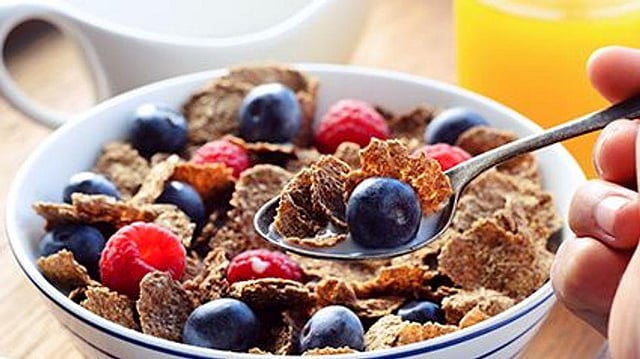
The researchers observed a strong association between nutritional variables and well-being scores for secondary school children. There was a significant association between higher combined fruit and vegetable consumption (five or more per day versus none) and higher well-being. Well-being scores were 3.73 units higher for those consuming five or more vegetables per day compared with none. Among children not eating any breakfast, mean well-being scores were 2.73 units lower versus children consuming a conventional breakfast, and well-being scores among those consuming only an energy drink were 3.14 units lower. Similarly, well-being scores were 2.95 units lower for children not eating any lunch compared with those eating a packed lunch. Findings for breakfast and lunch consumption were similar in an analysis of primary school children.
“These findings suggest that public health strategies to optimize the mental well-being of children should include promotion of good nutrition,” the authors write.
 Eating More Ultraprocessed Foods Heightens Risk for Chronic Diseases
  Nutritional Deficiencies Seen in Youth Taking GLP-1 Receptor Agonists
  Mom"s Poor Sleep in Late Pregnancy Linked to Offspring"s Obesity Risk in Early Childhood
  Altered Markers of Ovarian Development Seen With Fetal Acetaminophen Exposure
  IBD Not Linked to Risk for Hypertensive Disorders of Pregnancy Overall
  Maternal Vitamin D Status Linked to Preterm Delivery
  High Intake of Eggs, Peanuts in Pregnancy Does Not Lower Allergy Risk
  Autism Spectrum Disorder Diagnoses Increased for Females Since 2020