Several other states are moving to adopt the California standards
THURSDAY, March 10, 2022 (HealthDay News) — California will once again be able to set its own car emission standards under a waiver approved Wednesday by the U.S. Environmental Protection Agency.
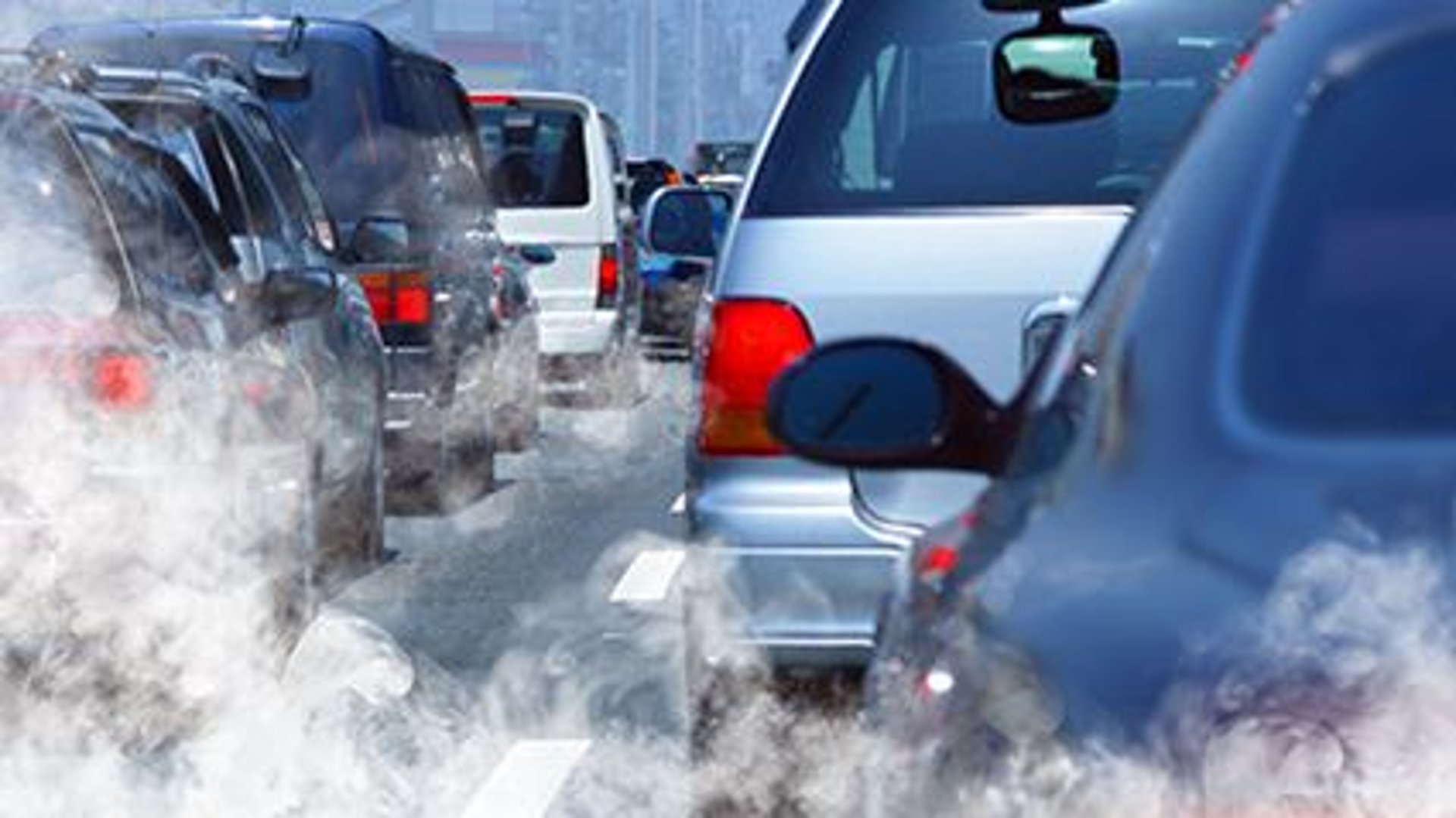
Under the EPA waiver, California will be allowed to create tighter emission rules for cars and SUVs and to develop mandates for zero-emission vehicles in an effort to reduce greenhouse gas emissions that drive climate change.
California’s vehicle emission standards are stricter than federal rules and at least 15 states and the District of Columbia have signed on to California’s standards, so the EPA decision is likely to have an impact nationwide, according to the Associated Press. Along with New York, other states that follow California’s rule include Colorado, Connecticut, Delaware, Maine, Maryland, Massachusetts, New Jersey, Oregon, Pennsylvania, Rhode Island, Vermont, and Washington. Several other states are moving to adopt the California standard.
According to the American Lung Association, seven of the 10 U.S. cities with the worst ozone pollution are in California, along with six of the 10 most polluted cities measured by year-round particle pollution, the AP said.
“Today we proudly reaffirm California’s longstanding authority to lead in addressing pollution from cars and trucks,” EPA Administrator Michael Regan said in a statement. “With today’s action, we reinstate an approach that for years has helped advance clean technologies and cut air pollution for people not just in California, but for the U.S. as a whole.”
Transportation accounts for 29 percent of all greenhouse gas emissions in the United States, making it the single largest source of that type of pollution. Passenger cars and trucks are the largest contributor of transportation-related emissions (58 percent) and belch out 17 percent of all U.S. carbon emissions, the AP reported.
 2021 to 2026 Saw Increase in State Funding for Suicide Prevention
  Freshwater Swimming Tied to Stomach Bugs, Skin Conditions
  Higher Short-Term Exposure to Pollen Linked to Lower FEV1 in COPD
  Phthalates From Personal Care Products Tied to Higher BP in Pregnancy
  Intensive BP Lowering Reduces Recurrent Stroke After Intracerebral Hemorrhage
  Onset of Mortality, Morbidity Delayed for Offspring of Centenarians
  Antenatal Complications Increased With Maternal Multiple Long-Term Conditions
  High Temps, Heat Waves Linked to Poorer Mental Health in Children, Teens