
Risk for AUD hospitalization higher compared with sleeve gastrectomy and weight management programs
THURSDAY, Jan. 12, 2023 (HealthDay News) — Roux-en-Y gastric bypass (RYGB) is associated with an increased risk for alcohol use disorder (AUD)-related hospitalizations versus both sleeve gastrectomy and weight management programs, according to a study published online Dec. 14 in JAMA Surgery.
Nadim Mahmud, M.D., from the University of Pennsylvania in Philadelphia, and colleagues evaluated the effect of RYGB, sleeve gastrectomy, or gastric banding on subsequent AUD-related hospitalization and all-cause mortality versus referral to the MOVE! weight management program alone. The analysis included 1,854 patients (body mass index ≥30 kg/m²) treated at 127 Veterans Health Administration health centers.
The researchers found that accounting for time-updating alcohol use and body mass index, RYGB was associated with an increased risk for AUD-related hospitalization versus MOVE! (hazard ratio [HR], 1.70; 95 percent confidence interval [CI], 1.20 to 2.41; P = 0.003) and versus sleeve gastrectomy (HR, 1.98; 95 percent CI, 1.55 to 2.53; P < 0.001). There was no significant difference observed in AUD-related hospitalization between sleeve gastrectomy and MOVE! (HR, 0.76; 95 percent CI, 0.56 to 1.03; P = 0.08). While RYGB was associated with a lower mortality risk compared with MOVE! (HR, 0.63; 95 percent CI, 0.49 to 0.81; P < 0.001), this association was diminished by increasing alcohol use over time.
“The mortality benefit associated with RYGB was diminished by increased alcohol use, highlighting the importance of careful patient selection and alcohol-related counseling for patients undergoing this procedure,” the authors write.
Abstract/Full Text (subscription or payment may be required)
 Most Metabolic and Bariatric Surgery Candidates Meet Criteria for Clinical Obesity
  Obesity Treatment for U.S. Adolescents and Young Adults Shifted Rapidly From 2022 to 2026
  3.2 Percent Undergoing Bariatric Surgery Develop New Alcohol-Related Diagnosis
  Stepped Alcohol Treatment Via Telehealth Reduces Alcohol Use
  Increase Seen in Rates of Xenobiotic-Induced Liver Injury From 2020 to 2024
 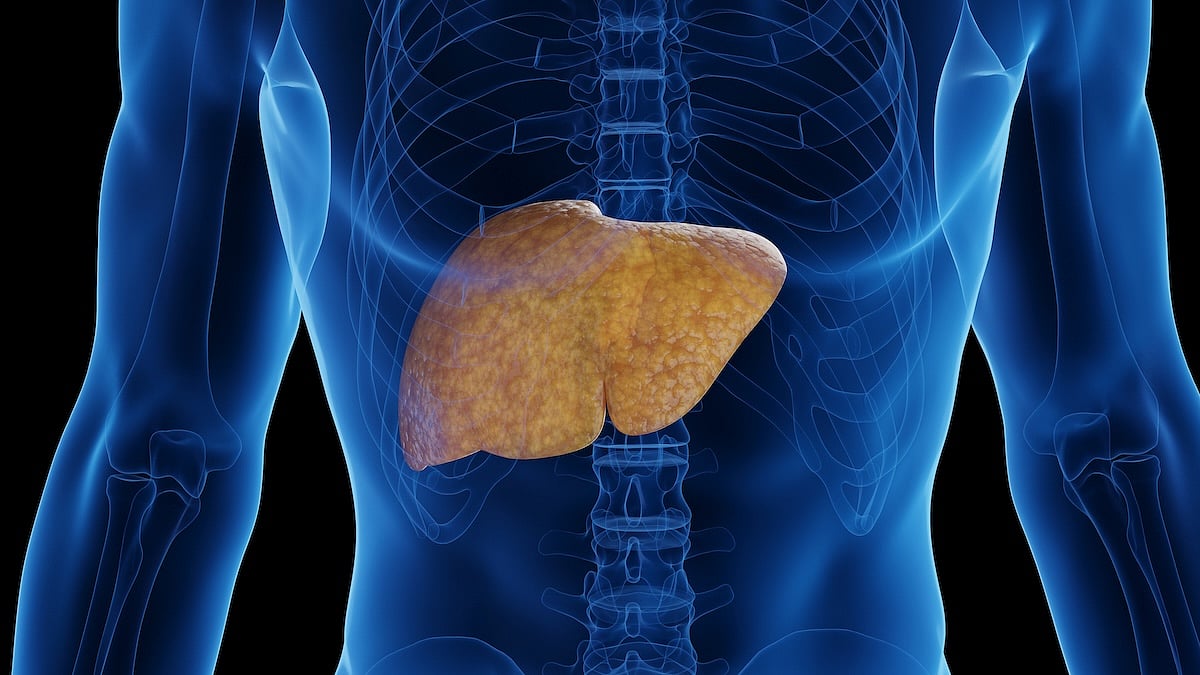 Impact of Alcohol Intake on Fibrosis Risk Varies by Sex, Liver Disease
 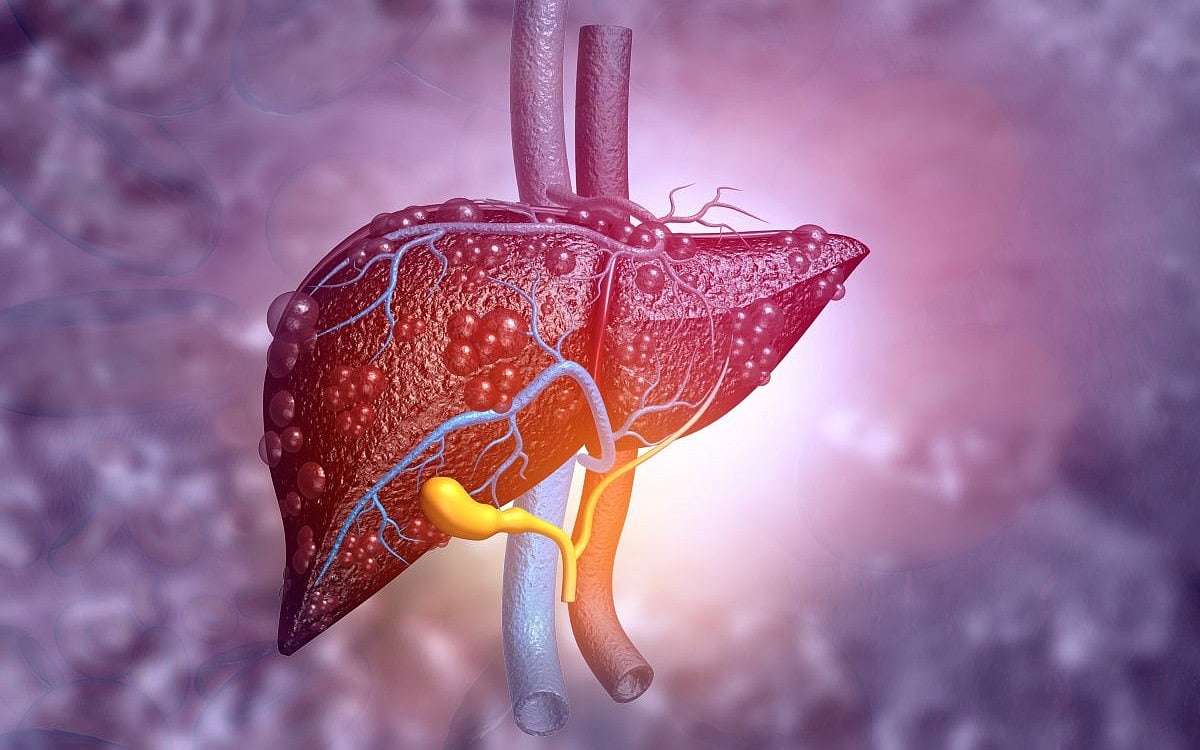 Link Between Liver Fibrosis in MASLD, ASCVD Varies by Glycemic Status
  Higher Coffee Consumption Linked to Favorable Indicators of Liver Health