


Data gathered on ingredient lists and nutrition facts allowed for large-scale analysis of ingredient patterns and degree of processing
MONDAY, Jan. 13, 2025 (HealthDay News) — A new database, GroceryDB, can show the degree of processing of more than 50,000 food items sold at Walmart, Target, and Whole Foods, according to a study published online Jan. 13 in Nature Food.
Noting that information on the degree of processing characterizing an item in a store is not straightforward to obtain, Babak Ravandi, Ph.D., from Northeastern University in Boston, and colleagues built on the versatility and scalability of the previously developed food processing score (FPro), which harnessed machine learning, to develop Grocery DB, a database with more than 50,000 food items from major U.S. grocery store websites. GroceryDB has the ability to show the degree of processing of food items and potential alternatives in the surrounding food environment.
For each food, the extent of food processing was determined using FPro; Grocery DB then assigned an FPro score to all foods from the included grocery stores by leveraging a machine learning classifier, which takes mandatory information from nutrition labels as input. The authors note that the extensive data gathered on ingredient lists and nutrition facts allowed for a large-scale analysis of ingredient patterns and degree of food processing, which were categorized by store, food category, and price range. The data also allowed for quantification of the individual contributions of more than 1,000 ingredients to ultraprocessing.
“People can use this information, but our goal would be to push this to become a large-scale, data-driven tool to improve public health,” coauthor Giulia Menichetti, Ph.D., also from Northeastern University, said in a statement. “Most research activities in nutrition still depend on manual curation, but our study shows that artificial intelligence and data science can be used to scale up.”
One author disclosed ties to the health technology industry.
Abstract/Full Text (subscription or payment may be required)
 Paintball-Related Eye Injuries Declined 84.5 Percent From 2005 to 2025
 Head-to-Head Comparisons Show Three Antidepressants Have Greater Long-Term Efficacy
 Screening, Treating STIs During Pregnancy May Cut Preterm Birth Risk
 Greater Estrogen Exposure Linked to Lower Cerebrovascular Pathology
 AI Better Assesses Heart Function From MRI Than Clinicians
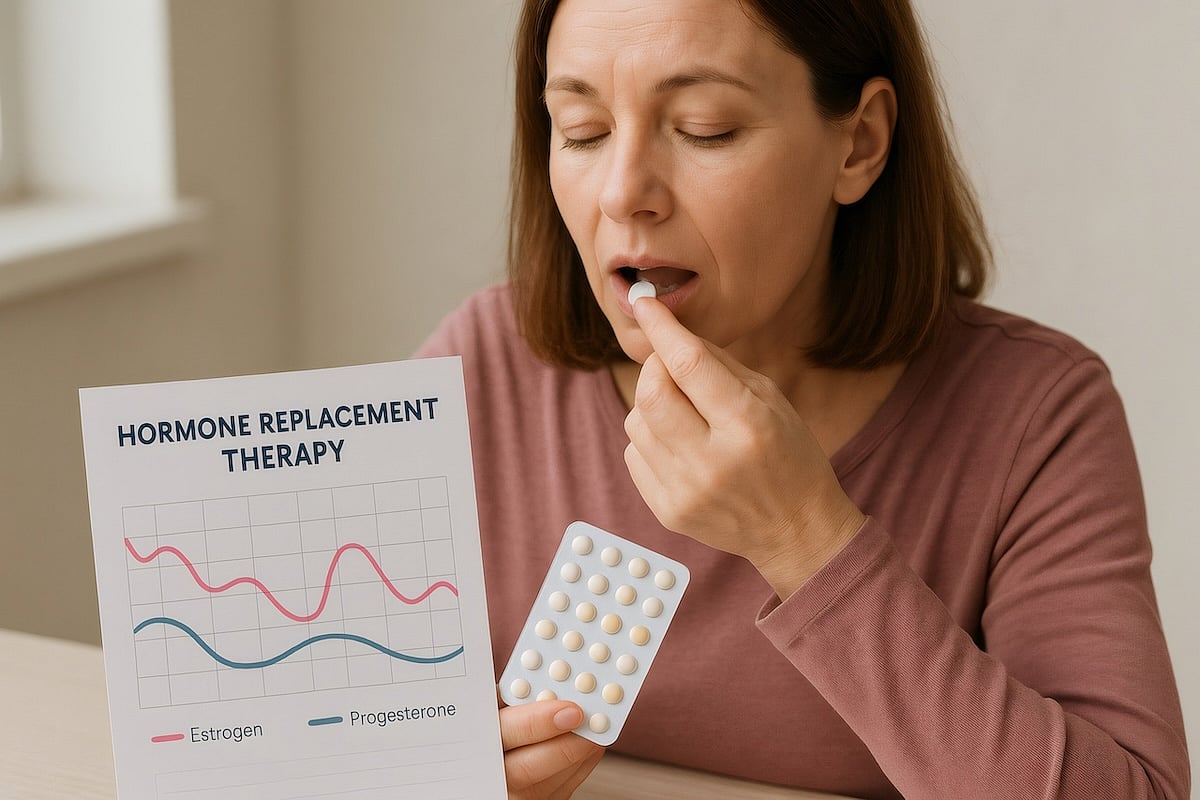 Oral Menopausal Hormone Therapy Linked to Venous Thromboembolic Risk
 Pre-Prostate Biopsy MRI Use Increased From 2017 to 2026
 PET/MRI Offers Diagnostic, Prognostic Value in Pediatric Epilepsy





