.jpg)
Peanut sensitization, allergy risk mitigated if younger siblings introduced peanut in the first year of life
THURSDAY, March 5, 2026 (HealthDay News) — Younger siblings of peanut-consuming children have an increased risk for peanut sensitization and allergy, which can be mitigated by early introduction of peanuts, according to a study presented at the annual meeting of the American Academy of Allergy, Asthma & Immunology, held from Feb. 27 to March 2 in Philadelphia.
Michelle Huffaker, M.D., from the Immune Tolerance Network at Stanford University in California, and colleagues examined the interplay of environmental peanut, eczema, and early peanut introduction on the development of peanut sensitization and allergy in younger siblings of participants of the Learning Early About Peanut allergy (LEAP) Trial.
The researchers observed an independent association for younger siblings” peanut sensitization and allergy risk with increased family peanut consumption, especially by the LEAP participant and older siblings (range effect odds ratios for peanut sensitization and peanut allergy, 16.74 and 13.45, respectively). An independent association was seen between eczema duration and increased peanut sensitization and allergy risk. If the younger sibling was introduced to peanut in the first year of life, peanut sensitization and allergy risk were significantly mitigated, independent of eczema duration and household peanut exposure.
“These findings support the concept that peanut allergy can develop with exposure to peanut through the skin, and that this risk can be overcome by introducing peanut into the diet at an early age,” Huffaker said in a statement.
 Lower Dietary Diversity in First Year Linked to Atopic Dermatitis
  High Intake of Eggs, Peanuts in Pregnancy Does Not Lower Allergy Risk
  Distinct Skin Microbiome Features Emerge Before Atopic Disease Onset in Infants
 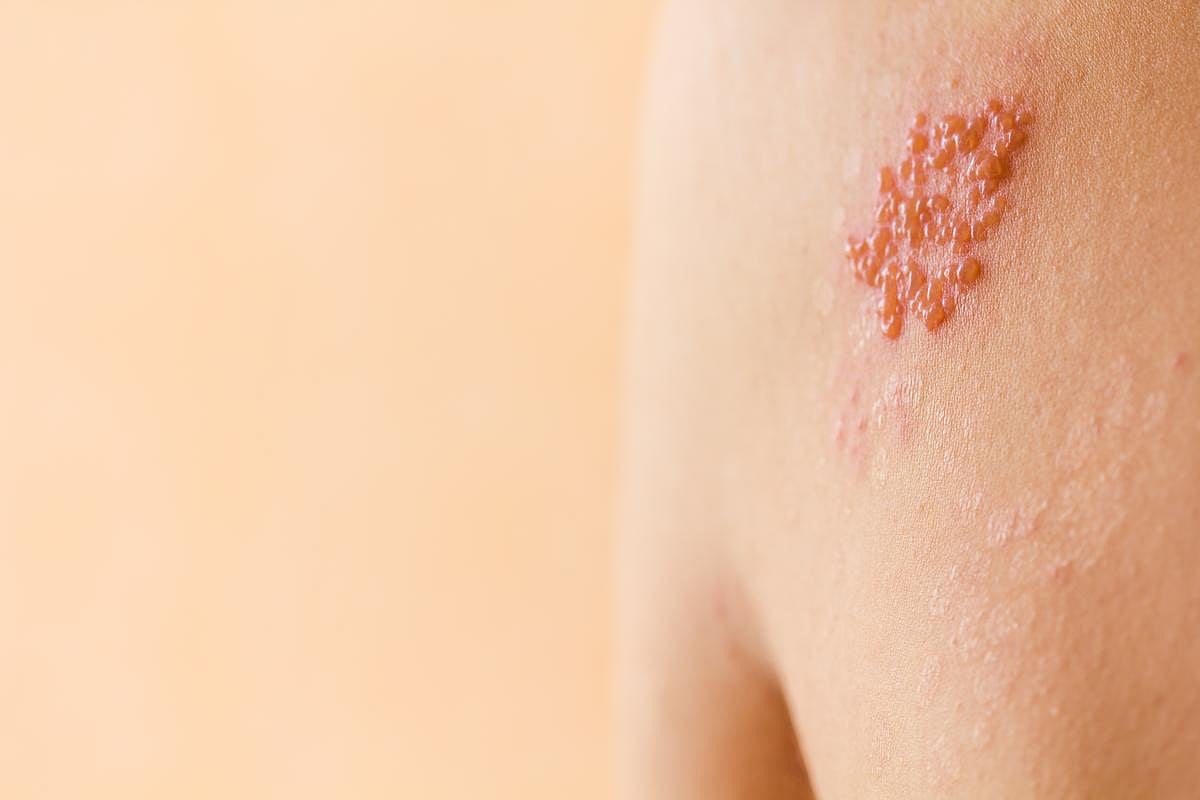 Risk for Herpes Zoster Elevated for Individuals With Atopic Dermatitis
 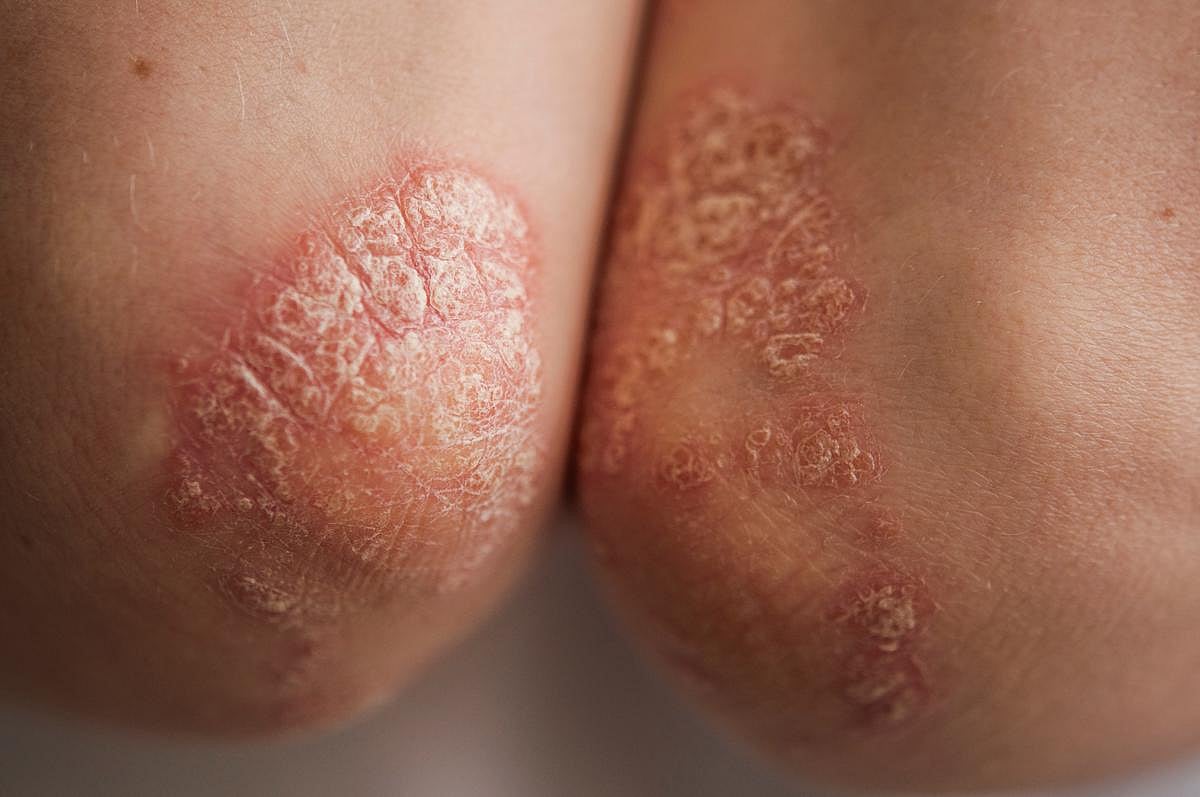 Mortality, Comorbidity Risk Increased With Generalized Pustular Psoriasis
  Early Respiratory Infections Linked to Atopic Dermatitis Diagnosis
  Review Shows Antihistamines Offer No Meaningful Benefit in Atopic Dermatitis