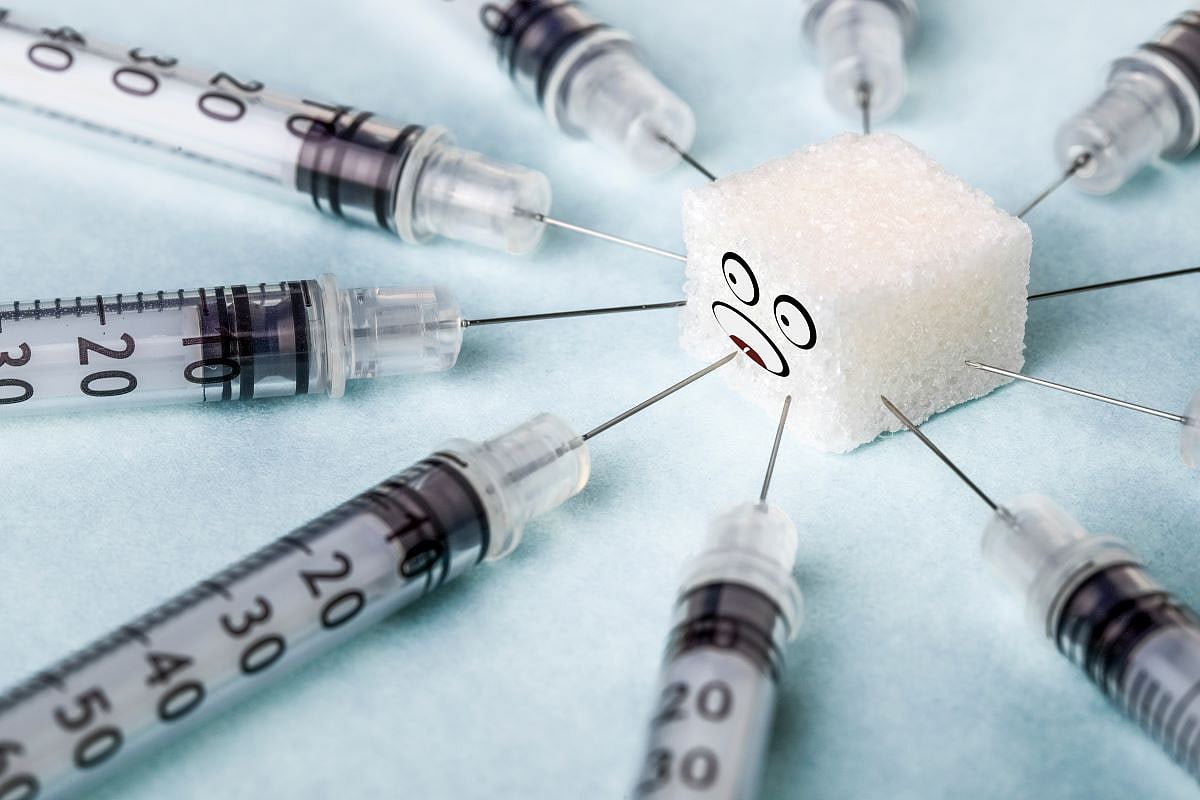
Largest relative increase in type 1 diabetes prevalence expected in low-income countries
THURSDAY, Sept. 10, 2026 (HealthDay News) — Global type 1 diabetes (T1D) incident cases per year are expected to increase to 605,058 by 2049, according to a study to be presented at the annual meeting of the European Association for the Study of Diabetes, being held from Sept. 28 to Oct. 2 in Milan.
Anders Green, M.D., Ph.D., from the Steno Diabetes Center Odense in Denmark, and colleagues aimed to provide global estimates of T1D incidence, prevalence, and mortality using the DIAMOND-1 model. The model uses available data on T1D incidence, country demographics, and population survival data based on a stock-and-flow principle.
The researchers found the current DIAMOND-T1D model estimated a rise in global T1D incident cases per year from 2025 to 2049 (530,024 to 605,058). During the same period, the number of people living with T1D is estimated to increase from 9.4 to 12.2 million. Most people living with T1D live in high-income countries (HIC) and middle-income countries, but the largest relative increase in T1D prevalence is expected in low-income countries (LIC). Overall, 42 percent of incident cases in 2025 were accounted for by the 0- to 19-year-old age group, ranging from 37 to 49 percent in HIC and LIC, respectively. From 2025 to 2049, the model estimated an increase from 353,449 to 531,095 T1D-related deaths. In 2025, the 0- to 19-year-old age group accounted for 15 percent of T1D global deaths, ranging from 4 to 34 percent in HIC and LIC, respectively.
“We estimate a rising global T1D burden, underscoring the need to continue to improve access to insulin and quality of care, particularly in low-resource settings,” the authors write.
.jpg) Time-Restricted Eating May Help Patients With Type 1 Diabetes
Time-Restricted Eating May Help Patients With Type 1 Diabetes  Maternal Diabetes Linked to Increased Risk for Epilepsy in Offspring
  Preexisting Medical Conditions Linked to Range of Botox Injection Complications
  Diabetes Linked to Increased Risk for Sudden Cardiac Death
  Very Low-Carb Diet Shows Greater Cardiometabolic Benefits Than Other Diets
  Aircrew Face Higher Odds of Radiation-Related Cancer Deaths
  Long-Term Medication Adherence Tied to Lower Cardiovascular Event Rate in Type 2 Diabetes
  Add-On Tirzepatide May Reduce MACE Risk in People With T2D, ASCVD
.jpeg)