Postpandemic, suicide risk remains higher in areas with higher, but not lower, firearm violence
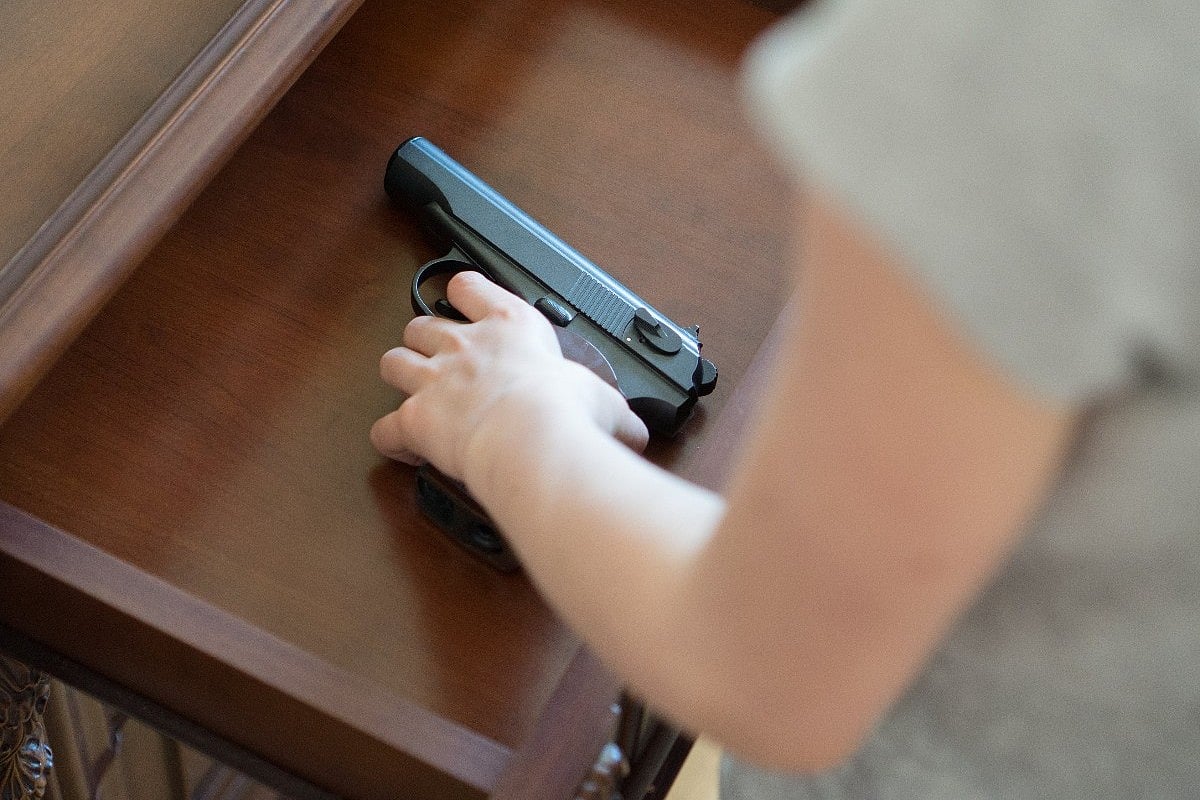
TUESDAY, Sept. 15, 2026 (HealthDay News) — After the pandemic, suicide risk remained elevated among youth in areas with high community firearm violence, according to a study published in the September issue of Pediatrics.
Jungwon Min, Ph.D., from the University of Pennsylvania in Philadelphia, and colleagues examined the relationship between community firearm violence, youth depression, and suicide risk among 35,137 patients (aged 12 to 18 years) with 71,663 well visits in a pediatric primary care network from 2017 to 2024.
The researchers found that community firearm violence moderated changes in youth suicide risk from the prepandemic to postpandemic period. Specifically, risk declined in cold spots (−2.2 percentage points [pp]) but increased in neutral (+0.9 pp) and hot spots (+2.0 pp). Postpandemic, suicide risk remained elevated overall (10.8 versus 9.6 percent), particularly among non-Hispanic Black and Medicaid-insured youth. Depression returned to prepandemic levels (7.6 versus 7.3 percent).
“While overall postpandemic shooting rates and teen depression levels have declined, neighborhood exposure to firearm violence continues to drive youth suicide risk in high-violence communities,” Min said in a statement.
Abstract/Full Text (subscription or payment may be required)
 2021 to 2026 Saw Increase in State Funding for Suicide Prevention
  Trends Reported in Vaccination Coverage for Adolescents for 2025
  Social Media Warnings Could Discourage Use Among Teens, Young Adults
  About 1 in 20 Hospitalized U.S. Adults With Firearm Injuries Develop Bacterial Infections
  Freshwater Swimming Tied to Stomach Bugs, Skin Conditions
  Emergency Diagnosis Linked to Worse Outcomes for Range of Conditions
  ED Boarding Time Varies Considerably Across Hospitals