
The greatest CRC risk increase in IBD was seen in those with two or more affected relatives
THURSDAY, Sept. 17, 2026 (HealthDay News) — A family history of colorectal cancer (CRC) increases CRC incidence similarly in patients with inflammatory bowel disease (IBD) and matched comparators from the general population, according to a study published online Sept. 3 in Gastroenterology.
Åsa H. Everhov, M.D., Ph.D., from the Karolinska Institutet in Stockholm, and colleagues estimated CRC incidence rates (IRs) and IR differences by family history of CRC, and explored the interaction between IBD and family history in a nationwide, register-based cohort study conducted from 1996 to 2023. Patients with IBD were matched by age, sex, parish, and year to comparators from the general population.
During a median follow-up of 11 years, there were 1,882 CRC events in 124,387 patients with IBD and 14,177 CRC events in 1,213,641 comparators (IRs, 1.17 and 0.88/1,000 person-years, respectively). The greatest CRC risk increase in IBD was seen in those with two or more affected relatives (2.69 additional cases/1,000 person-years versus no family history); a modest risk increase was seen with early-onset CRC heredity (0.42/1,000 person-years). Patients and matched comparators with the same family history had comparable IRs, except among those without a family history of CRC, where incidence of CRC was higher among patients with IBD. In IBD, where the baseline CRC risk was already elevated, the relative effect of family history was weaker.
“Current international guidelines for IBD patients emphasize whether a first-degree relative has developed colorectal cancer before the age of 50,” Everhov said in a statement. “However, our study shows that the number of cancer cases in the family may be a more important risk marker.”
Several authors disclosed ties to the biopharmaceutical industry.
Abstract/Full Text (subscription or payment may be required)
 Relapse Rare After Appendiceal Adenocarcinoma Resection
  Distinct Skin Microbiome Features Emerge Before Atopic Disease Onset in Infants
 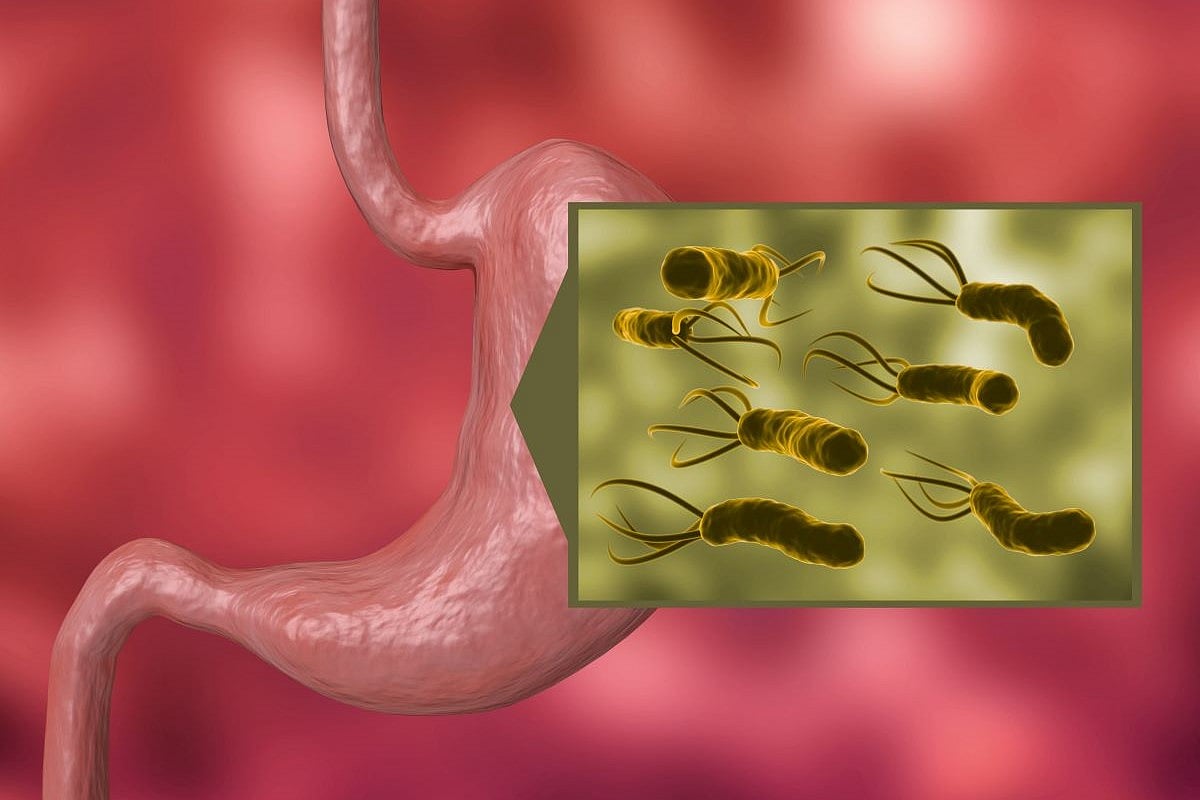 H. Pylori Exposure May Contribute to Global Burden of Colorectal Cancer
  Lower Breast, Cervical Cancer Screening Seen for Adults With Disabilities
  Alcohol-Attributable Cancer Mortality Has Increased Significantly in the U.S.
  2005 to 2023 Saw More U.S. Women Never Screened for Cervical Cancer
  Chemo-Free Combo of Four Targeted Therapies Shows Promise in Metastatic Breast Cancer
  Composite Dietary Antioxidant Index Inversely Linked to Cervical Cancer Prevalence