Nearly 70 percent report at least one allergic disorder
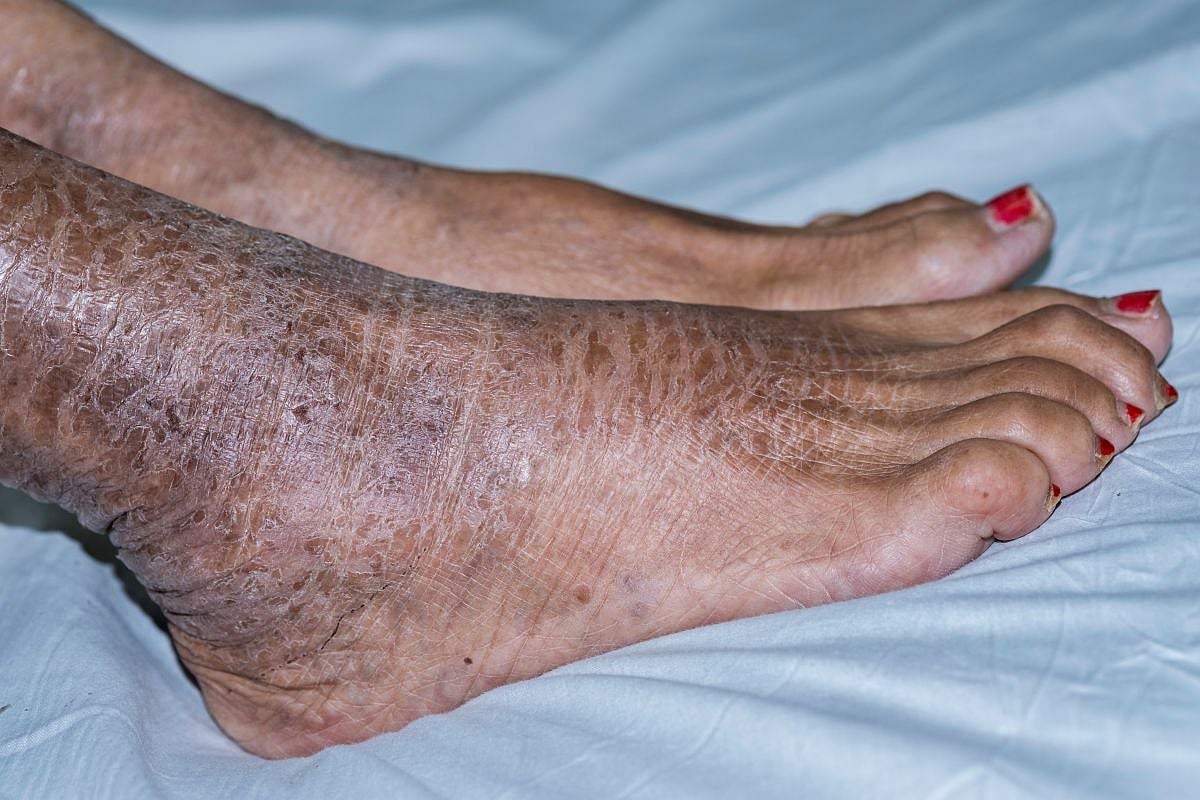
WEDNESDAY, Sept. 23, 2026 (HealthDay News) — Patients with congenital ichthyosis have an increased risk for developing allergic disorders, according to a study published online Aug. 6 in the Journal of Allergy and Clinical Immunology.
Mara B. O”Connor, M.D., from the Northwestern University Feinberg School of Medicine in Chicago, and colleagues examined rates of atopy in patients with congenital ichthyoses. The analysis included 115 children aged 6 to 17 years and parents or caregivers with a physician-confirmed diagnosis of congenital ichthyosis and self-reported ichthyosis subtype versus a control population.
The researchers found significantly higher rates of allergic rhinitis, food allergy, and allergic asthma in those with congenital ichthyosis compared with age-matched population data, with 68.2 percent of those with ichthyosis reporting at least one allergic disorder. High rates were found in those with erythrodermic types (Netherton syndrome, ichthyosis with confetti, and harlequin ichthyosis), which is consistent with their higher levels of barrier impairment, and those with X-linked ichthyosis (which is characterized by barrier impairment similar to that in atopic dermatitis). Nearly half (48.1 percent) of children aged 6 to 11 years with ichthyosis reported food allergies, as did 23.1 percent of adult patients, compared with 6.2 percent of the general U.S. population.
“Clinicians think about ichthyosis as being only a skin disease, but it”s not,” senior author Amy Paller, M.D., also from the Feinberg School of Medicine, said in a statement. “We need to approach allergic disorder with treatments that go beyond the moisturizers that are the mainstay of treatment for ichthyosis — and be more holistic in our care of ichthyosis patients.”
One author disclosed ties to the pharmaceutical industry.
Abstract/Full Text (subscription or payment may be required)
 Distinct Skin Microbiome Features Emerge Before Atopic Disease Onset in Infants
  Freshwater Swimming Tied to Stomach Bugs, Skin Conditions
  Considerable Global Disparities Found in Access to Dermatological Care
  Extreme Heat Linked to 33 Clinically Reportable Diagnoses
  Past Blast Exposure Tied to Long-Term Chronic Medical Diagnoses in Veterans
  Mortality in Injured Children Linked to Higher SBP Thresholds Than Those That Define Hypotension
  Air Pollution Tied to Higher Risk for Suicide
  Psychiatrists Only Agree 55 Percent of the Time on Diagnoses