


42 percent of countries report inadequate or extremely poor access to dermatological care
THURSDAY, Aug. 27, 2026 (HealthDay News) — Global access to dermatological care varies significantly, with 42 percent of countries reporting inadequate or extremely poor access, according to a study published online Aug. 26 in JAMA Dermatology.
Esther E. Freeman, M.D., Ph.D., from Massachusetts General Hospital in Boston, and colleagues conducted a cross-sectional study surveying dermatological care across 194 World Health Organization member states and three additional geographic areas. The estimated density of dermatologists per 100,000 globally and number of dermatologists worldwide were examined as the primary outcomes.
Responses were obtained from 158 countries (>80 percent), representing 97 percent of the global population (78, 87, 75, and 80 percent of respondents from low-income, lower middle-income, upper-middle-income, and high-income countries, respectively). The researchers found that the mean dermatologist density was 2.66 per 100,000 population, ranging from 0.37 to 5.05 per 100,000 in low- and high-income countries, respectively. Globally, there were an estimated 175,633 dermatologists. The estimated threshold for sufficient workforce density was 5.63 dermatologists per 100,000 based on countries reporting adequate access to dermatologic care; only 27 countries (17 percent) met this threshold. Twenty-one percent of all responding countries lacked dermatology training programs, with availability varying by World Bank Income levels. Forty-two percent of countries reported inadequate or extremely poor access to dermatological care.
“Given that the greatest burden, and often the most valuable insight, resides with patients and practitioners in resource-limited settings, these communities must be the starting point for meaningful solutions,” the authors write.
Several authors disclosed ties to biopharmaceutical and dermatology companies, including L”Oreal. The study was funded through a collaboration between the International League of Dermatological Societies and L”Oreal Dermatologic Beauty.
 2013 to 2024 Saw Decrease in Benzodiazepine Prescribing
 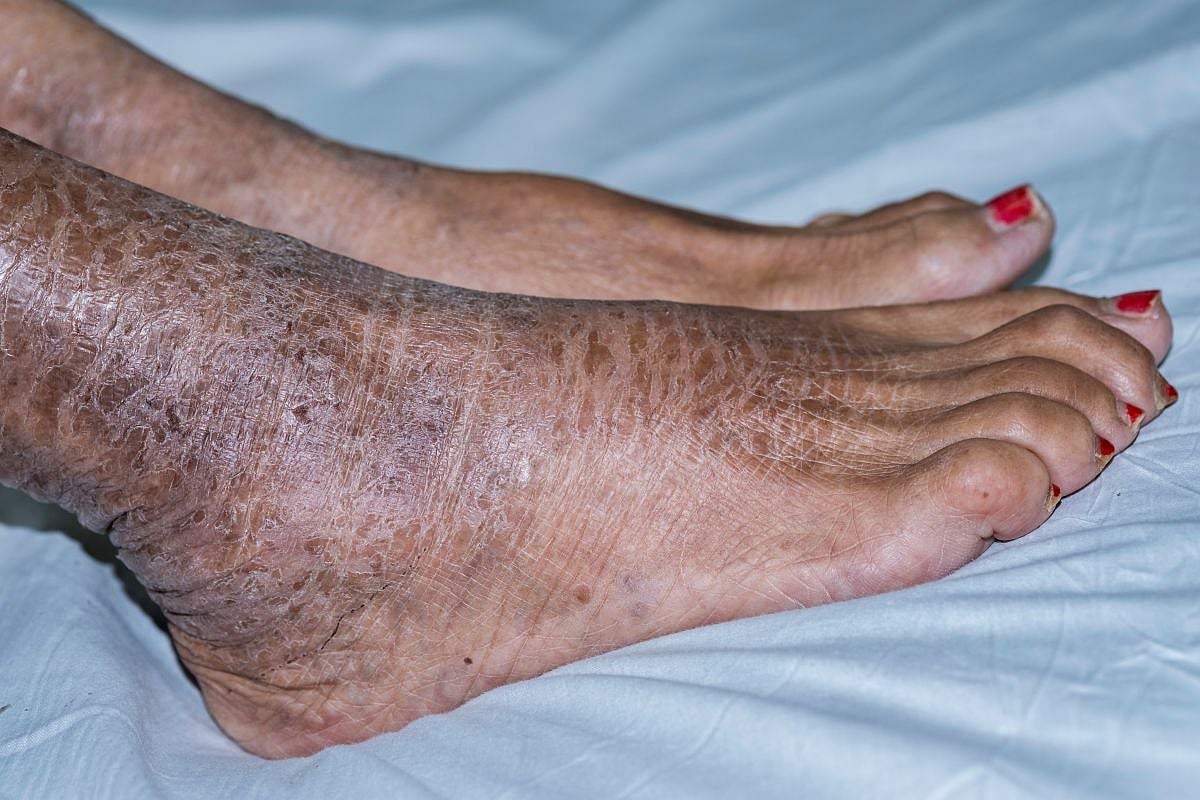 Congenital Ichthyosis Linked to Allergic Disorders
  Hydrogel-Based Dermal Regenerative Template Shows Promise in Wound Reconstruction
  Pediatricians Report Immigrant Families Avoiding Care for Their Children
  2021 to 2025 Saw Reduction in Burnout Indicators Among Pediatricians
  Physical Exams May Not Reliably Diagnose Pediatric Pneumonia
  Barriers to Pediatric Cancer Clinical Trial Participation Identified
  Guidance Provided for Transition From Pediatric to Adult Endocrine Care
.jpg)



.jpg)