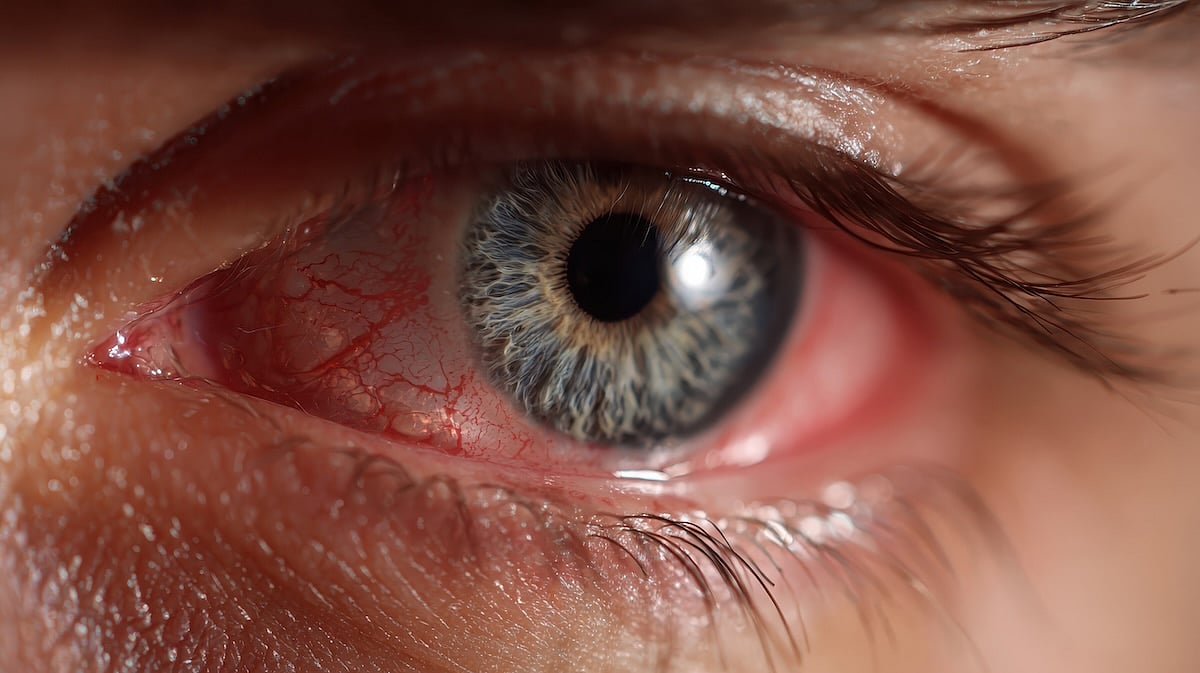
Authors say continued promotion of protective eyewear and adherence needed
TUESDAY, Nov. 17, 2026 (HealthDay News) — Paintball-related ocular injuries seen at U.S. emergency departments declined by 84.5 percent from 2005 to 2025, according to a research letter published online Nov. 5 in JAMA Ophthalmology.
Tasha Miller, M.D., from University of Toronto, and colleagues examined national trends in paintball-related ocular injuries seen at U.S. emergency departments from 2005 to 2025 using data from the National Electronic Injury Surveillance System.
The researchers found that of 106,098 ocular injuries, 256 were paintball-related cases (mean patient age, 21 years), corresponding to an estimated 8,399 injuries nationally. Males accounted for 92.1 percent of injuries, and most injuries occurred among individuals aged 10 to 19 years (50.6 percent) followed by those aged 20 to 39 years (36.9 percent), those 40 years and older (7.9 percent), and those younger than 9 years (4.6 percent). The most common injuries included corneal abrasion (25.7 percent), hyphemia (20.2 percent), and contusion or blunt ocular trauma (17.9 percent). While less common, severe ocular injuries included globe rupture (3.5 percent), retinal detachment (2.3 percent), vitreous hemorrhage (1.6 percent), and traumatic lens dislocation (0.4 percent). Most injuries (75.0 percent) occurred before 2015, with annual national estimates declining by 84.5 percent during the study period.
“These findings suggest that continued promotion of protective eyewear and adherence to established safety practices are needed to reduce the burden of vision-threatening injury,” the authors write.
Abstract/Full Text (subscription or payment may be required)
 ED Visits, Hospitalizations for Alcohol, Cannabis Vary by Age
 Rates of Pediatric E-Bicycle, E-Scooter Injuries Increasing
 Withdrawal From Medetomidine Increasingly Seen in ICUs
 Multicomponent Interventions Offer Little Impact on Fall Risk
 Prep for Conservative Management, Dialysis Yield Similar Results in Older Patients With Kidney Failure
 Study Looks at Approaches to Prescribing Obesity Medications for Older Adults
.jpg) Recurrent Visual Field Progression Happens for 1 in 4 With Glaucoma
 Lower Cognitive Functioning During 60s Linked to Subsequent Stroke Risk