


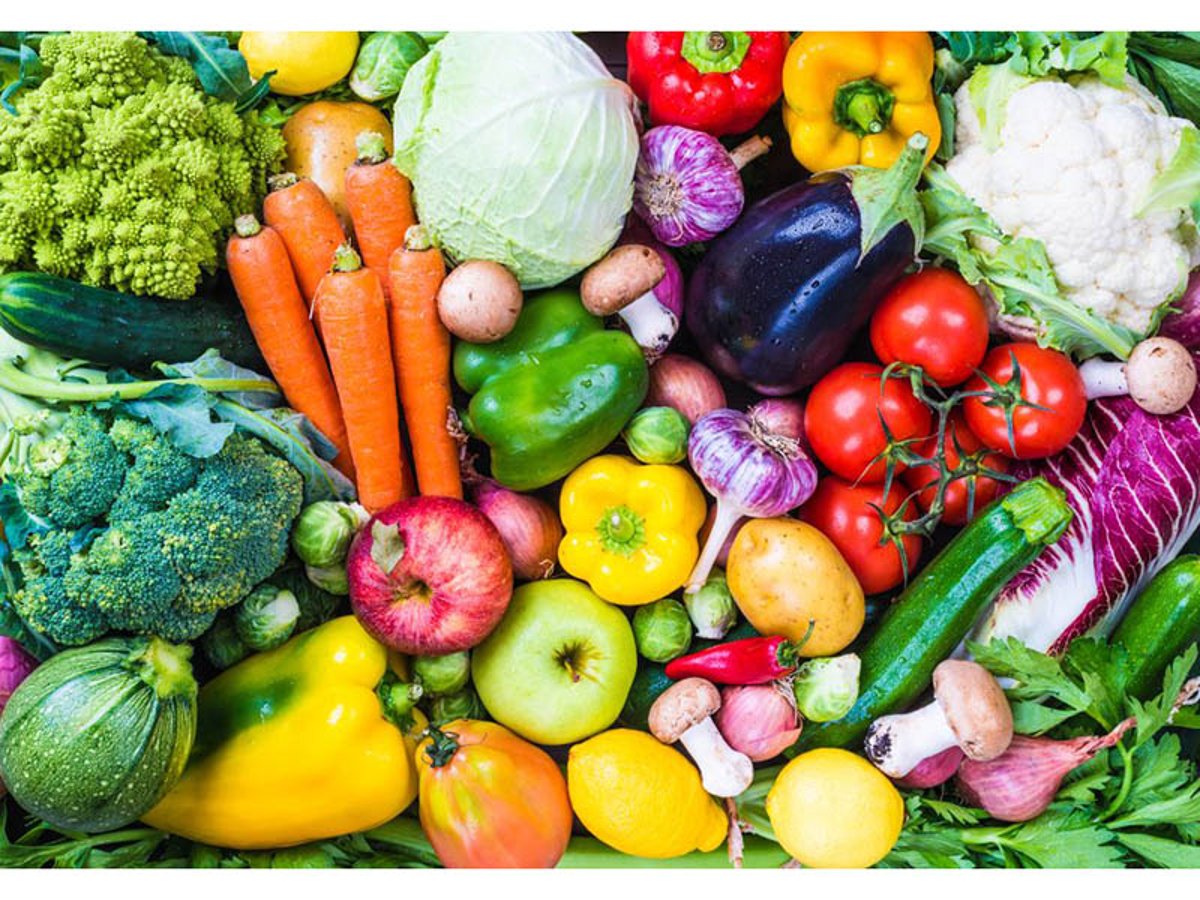
12.3 percent meet fruit intake recommendations, ranging from 8.4 to 16.1 percent in West Virginia and Connecticut
THURSDAY, Jan. 6, 2022 (HealthDay News) — Only 12.3 and 10.0 percent of U.S. adults met the fruit and vegetable intake recommendations, respectively, in 2019, according to research published in the Jan. 7 issue of the U.S. Centers for Disease Control and Prevention Morbidity and Mortality Weekly Report.
Seung Hee Lee, Ph.D., from the CDC in Atlanta, and colleagues used the 2019 Behavioral Risk Factor Surveillance system data to estimate the percentage of adults who met fruit and vegetable intake recommendations overall and by sociodemographic characteristics for 49 states and the District of Columbia.
The researchers found that 12.3 and 10.0 percent of adults met fruit and vegetable recommendations, respectively, ranging from 8.4 to 16.1 percent in West Virginia and Connecticut and from 5.6 to 16.0 percent in Kentucky and Vermont, respectively. Hispanic adults had the highest prevalence of meeting fruit intake recommendations (16.4 percent), while men had the lowest prevalence (10.1 percent). Adults aged 51 years and older had the highest prevalence of meeting vegetable intake recommendations (12.5 percent), while those living below or close to the poverty level had the lowest prevalence (6.8 percent).
“States can use the findings to guide their programs, communications and social marketing, and policies to support improving fruit and vegetable access and intake,” the authors write.
 Recommendations Issued for Use of Incretin-Based Meds in Pregnancy
 Eating More Ultraprocessed Foods Heightens Risk for Chronic Diseases
 Nutritional Deficiencies Seen in Youth Taking GLP-1 Receptor Agonists
 2009 to 2023 Saw Surge in Probiotic Supplement Use
 1 in 3 With Lupus Take Supplements, Medications With Potential for Interactions
 High-Dose Omega-3 Linked to A-Fib Risk in Patients With High CVD Risk
 Docosahexaenoic Acid Supplement Does Not Improve Cognitive Performance
 Sugar-Sweetened Beverage, Fruit Juice Intake Linked to Hypertension Risk




.jpg)
