


Gray matter volume increased by true acupoint, with increases in specific areas positively correlated with motor recovery
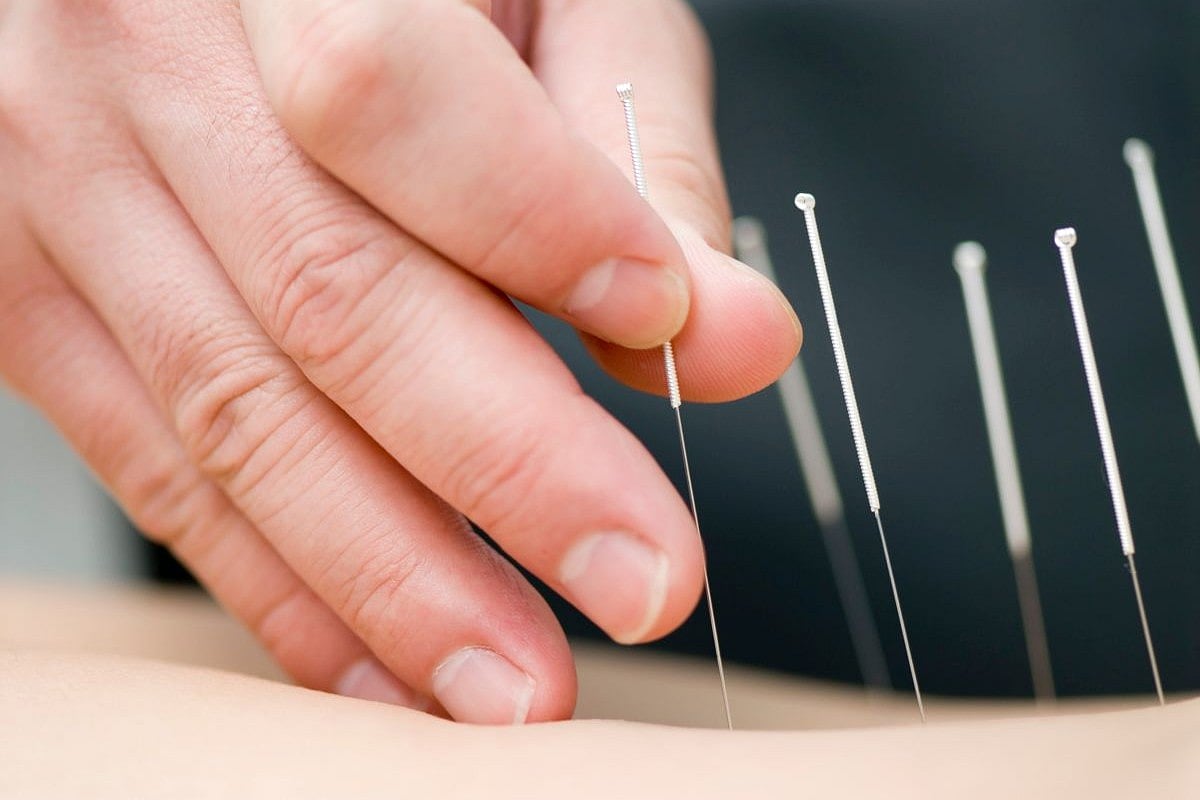
THURSDAY, June 11, 2026 (HealthDay News) — True acupoint (TA) acupuncture alleviates neurological impairment and can improve motor recovery among patients with stroke, according to a study published online June 3 in CNS Neuroscience & Therapeutics.
Xin Yu, from the Shenzhou Louhu Hospital of Traditional Chinese Medicine in China, and colleagues examined the specific neuroplastic effects of acupuncture among patients with stroke. Participants were randomly allocated to receive TA or sham-acupoint (SA) over a two-week period (38 and 18 patients, respectively). The Fugl-Meyer Assessment (FMA), Brunnstrom Scale, and National Institutes of Health Stroke Scale (NIHSS) were used to assess clinical outcomes. Cortical gray matter volume (GMV) analysis and dynamic functional network metrics were used to evaluate neuroplastic changes.
The researchers observed posttreatment improvements in NIHSS and FMA scores, but significant gains in the Brunnstrom scores were only seen in the TA group, indicating superior improvement in limb motor function. Default mode network dynamics were modulated by TA, manifesting as significantly reduced disjointedness and a trend toward decreased flexibility; there was a correlation seen for these changes with better motor outcomes. The SA group did not exhibit this modulatory effect. GMV was increased in multiple areas by TA, with increases in the right opercular inferior frontal gyrus, postcentral gyrus, and cerebellar region 10 correlating positively with motor recovery. In the SA group, there were no significant changes in GMV.
“These results suggest that acupuncture may promote recovery from limb motor dysfunction by selectively enhancing structural plasticity within this distributed sensorimotor integration circuitry,” the authors write.
 Ultrasound-Guided Hydrodissection Yields Improvements in Carpal Tunnel
 Physical Therapist-Supervised Exercise Improves Outcomes After ACL Reconstruction
 Lower Cognitive Functioning During 60s Linked to Subsequent Stroke Risk
 2013 to 2024 Saw Decrease in Benzodiazepine Prescribing
.jpg) Most Specialty Oral Anticancer Meds for Blood Cancers Are Initially Rejected by Insurers
 Drug Interactions Reducing Contraceptive Effectiveness Common in Epilepsy
 Holding DMARDs at Time of COVID-19 Vaccine Not Warranted in Those With Inflammatory Arthritis
 1 in 3 With Lupus Take Supplements, Medications With Potential for Interactions




